How Morocco’s Tech Hubs Are Drawing Digital Nomads
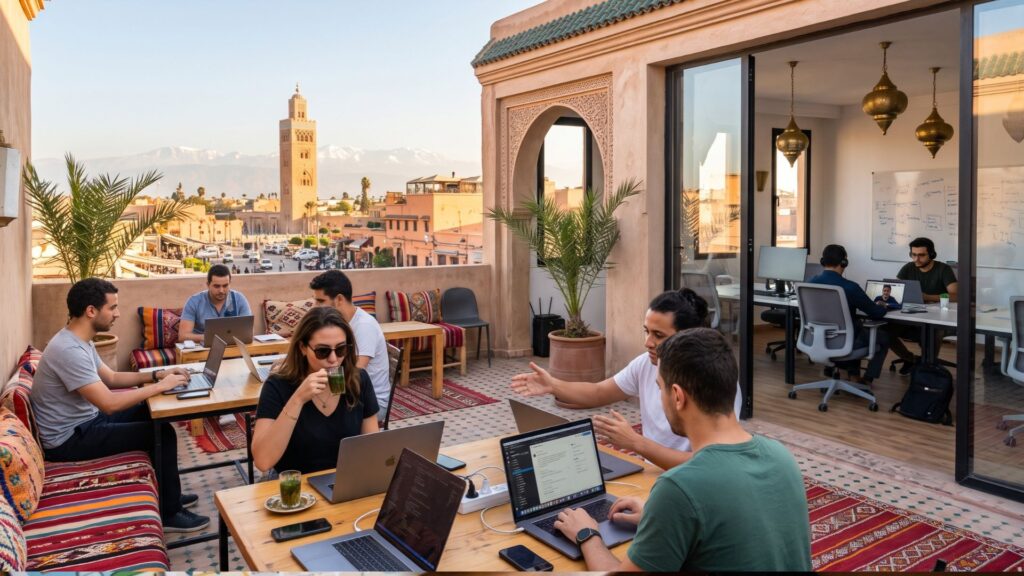
Morocco has quietly become one of North Africa’s more interesting destinations for people who can work from anywhere. Lower living costs, improving internet infrastructure, and a growing number of coworking spaces have combined to make cities across the country appealing to freelancers, startup founders, and remote employees. The shift reflects a broader trend across emerging markets where affordability and connectivity now matter as much as traditional tourism appeal.
A key part of this transformation comes from coordinated government support rather than organic growth alone. Morocco has built a network of innovation parks that provide shared office space, mentorship, and networking opportunities for entrepreneurs. These hubs exist in several major cities and have become magnets for both local startups and visiting professionals looking for a reliable place to set up a laptop for a few weeks or months.
Why Remote Workers Are Looking at Morocco
Time zone compatibility is one underappreciated advantage. Morocco sits close to the same time zone as much of Western Europe, which makes it easier for remote employees to stay aligned with colleagues and clients during standard working hours. This is a meaningful factor for anyone trying to balance flexible travel with the practical demands of a full-time job.
Cost of living is another major draw. Compared to cities in Western Europe or North America, daily expenses such as housing, food, and transportation remain considerably lower in Morocco’s major urban centers. For remote workers earning income in stronger currencies, this gap can translate into a noticeably higher standard of living without sacrificing access to modern amenities.
The Role of Coworking Spaces and Innovation Parks
Coworking spaces have multiplied in cities such as Casablanca, Rabat, Tangier, and Marrakech over the past several years. These spaces typically offer high-speed internet, meeting rooms, and a built-in community of other remote professionals, which helps offset the isolation that can come with working independently in an unfamiliar country.
Morocco has also invested in a formal network of technology parks designed to support startups and small businesses. This network spans several cities and houses well over a hundred companies, offering shared infrastructure that benefits both resident entrepreneurs and visiting professionals who need a dependable place to work. The initiative fits within a broader national digital strategy aimed at positioning the country as a regional technology hub, even though a dedicated visa category specifically for digital nomads has not yet been formally established.
Connectivity and Infrastructure Considerations
Internet reliability remains one of the most important factors for anyone considering a long-term remote work stay. Morocco has made steady investments in broadband and mobile data infrastructure, particularly in its larger cities, which has narrowed the gap with more established nomad destinations elsewhere in the world. Rural areas and smaller towns, however, can still present more variable connectivity.
Travelers researching infrastructure quality before relocating often consult resources from recognized telecommunications bodies. The International Telecommunication Union publishes general data on national connectivity trends that can help remote workers gauge how a country’s digital infrastructure compares internationally before committing to a long stay.
Lifestyle, Leisure, and Everyday Life
Beyond work considerations, remote professionals weigh how a destination fits into daily life outside the office. Morocco offers a mix of coastal towns, historic medinas, and mountain landscapes that provide variety for those balancing work with exploration on weekends. Casablanca’s tech and coworking scene has become a central hub for visiting professionals seeking both productivity and a lively urban environment after hours. Dubai plays a comparable role for international visitors drawn to its hospitality and entertainment offerings. Readers comparing entertainment options across the region can look into Arab online casino sites on Haz-Tayeb as part of exploring how leisure platforms differ across markets.
Social integration also matters for people planning extended stays. Morocco’s blend of Arabic, French, and increasingly English-speaking populations in major cities makes it relatively approachable for newcomers, even those without strong Arabic language skills.
Taken together, these factors explain why Morocco has emerged as a serious option for remote workers rather than simply a tourist stopover. Its combination of affordability, improving infrastructure, and government-backed innovation hubs gives it a distinct position among emerging digital nomad destinations. As national digital strategies continue to develop, the country’s appeal to location-independent professionals is likely to keep growing.