The Future of Building: Embracing Steel Framing for Sustainable Construction
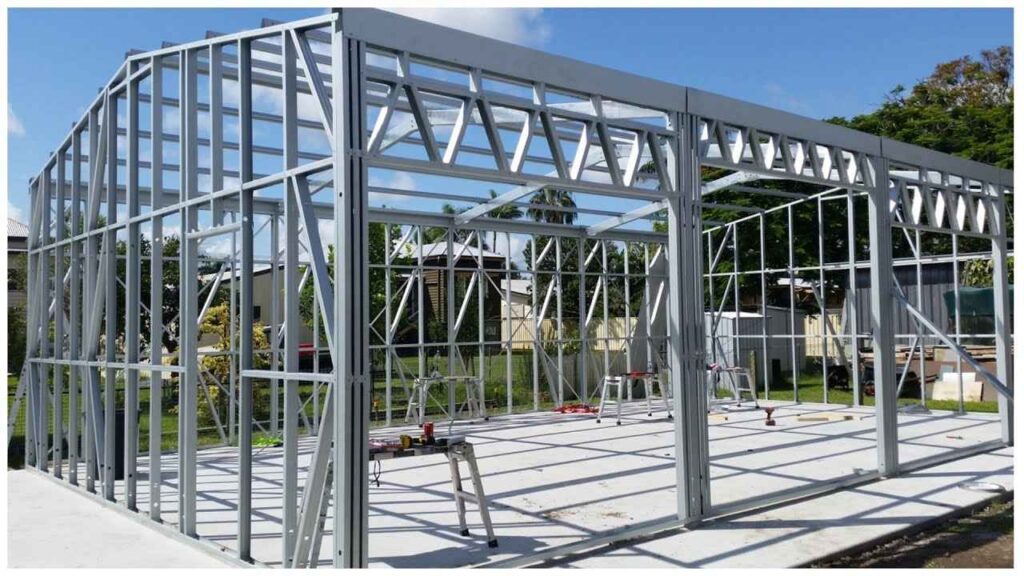
The concept of sustainable construction has evolved over the years, with various materials and methods being utilised to decrease the environmental footprint of buildings. One such approach that has garnered significant attention is the use of Steel Framing as a primary construction material. This article explores why steel is becoming an increasingly popular choice in the construction industry and how it aligns with the principles of sustainability.
The Shift to Sustainability in Construction
In recent years, the construction industry has experienced a paradigm shift towards sustainable building practices. The emphasis on reducing carbon emissions, conserving resources, and promoting energy efficiency has led to the rise of new materials and construction methods that cater to these concerns. Among the many innovations, Steel Framing stands out as a pivotal solution for sustainable construction.
Understanding Steel Framing
Steel framing consists of a technique where steel columns and beams are assembled to create a building’s skeletal structure. It is not a novel approach; steel has been used extensively in commercial and industrial construction due to its durability and strength. However, its applications in residential and smaller-scale projects are increasing, reflecting a broader commitment to sustainability.
Steel as an Eco-friendly Building Material
Steel is often praised for its eco-friendly features. It is a highly recyclable material that can be repurposed without a significant loss of properties, making it a stellar example of circular economy practices in construction. Additionally, steel’s durability implies that structures made from it are likely to have a longer life, reducing the frequency of rebuilds or repairs.
Benefits of Steel Framing in Construction
When considering the implementation of steel framing in construction processes, the benefits become abundantly clear:
Energy Efficiency
Steel-framed buildings are easily insulated to high standards, which means that they require less energy to heat and cool, thus reducing their carbon footprint. Furthermore, the precision of steel components helps to minimise gaps and thermal bridges, reducing energy loss considerably.
Resource Conservation
As a material, steel is remarkably resource-efficient. Unlike wood, steel does not require deforestation, and it can be sourced from recycled materials. Its strength also allows for slender designs that use less material without compromising structural integrity.
Waste Reduction
Construction waste is a sizeable challenge in the industry. However, steel framing systems can be pre-engineered to exact specifications, meaning there is very little surplus material or waste produced onsite.
Durability and Longevity
Steel is resistant to many of the elements that can degrade other construction materials, such as termites, mould, and moisture. This resilience translates to buildings that maintain their integrity over time, avoiding the environmental costs associated with frequent maintenance or rebuilding.
The Future of Steel Framing in Construction
The future of construction is undoubtedly going to be influenced heavily by sustainability considerations. As a fitting response to this, steel framing is projected to become more commonplace. With its compatibility with modular and prefabricated construction methods, steel framing is also conducive to modern building practices that aim for reduction in construction site disturbance.
Challenges and Considerations for Steel Framing
Despite its broad range of benefits, adopting steel framing does come with its own set of challenges. These include:
Initial Cost
The upfront cost of steel framing can be higher than traditional materials, which may deter some builders or clients. However, it is crucial to consider the lifecycle costs, where steel often provides savings through lower maintenance and repair costs.
Thermal Conductivity
While steel has excellent potential for thermal insulation, its natural thermal conductivity means that careful design is necessary to prevent excessive heat loss or gain. This requires a thoughtful approach to insulation and building orientation.
Market Perception and Skills
There is still resistance in some markets to adopt steel framing, partially due to the predominance of traditional materials like wood and concrete. Additionally, it requires a workforce skilled in steel construction techniques, which may necessitate additional training for labour forces.
The Role of Industry and Government in Promoting Steel Framing
For steel framing to become a mainstay of sustainable construction, both industry and government have roles to play. Industry must continue to innovate and drive down costs while showcasing the long-term benefits of steel construction. Governments can incentivise the use of sustainable materials like steel through grants, tax breaks, and regulation that favours eco-friendly construction practices.
Conclusion
Embracing steel framing in construction is a powerful step toward a sustainable future. Its benefits in terms of energy efficiency, longevity, and waste reduction align well with the goals of sustainable development. As the industry continues to evolve, incorporating Steel Framing into mainstream building practice will not only prove advantageous for the environment but will also offer a stronger, more durable answer to our modern construction needs.
Further Exploration and Adoption
In sum, the progression toward sustainable construction is gradual but inevitable. Steel framing represents a critical aspect of this shift, providing a framework (both literally and figuratively) for buildings that meet the stringent demands of environmental consciousness. As technology advances and both consumer awareness and regulatory bodies push for greener construction, steel framing is poised to become a cornerstone of sustainable construction methods in the future.