Essential Medicine Travel Kit: Your Comprehensive Guide for Safe Journeys
What to Pack: Essential Medications for Every Traveler
Common Ailments and Their Cures
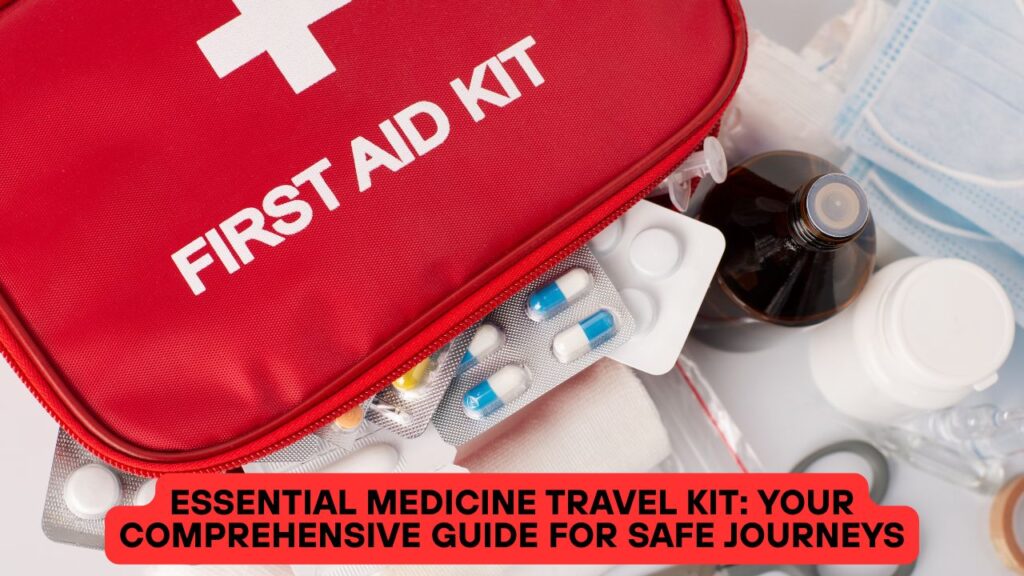
Traveling can expose even the most seasoned globetrotter to unexpected health challenges. Common ailments such as headaches, cold and flu symptoms, allergies, and digestive issues can put a damper on your trip. To prepare for these eventualities, it’s critical to include remedies that cater to these common conditions in your travel medicine kit. First and foremost, pain relievers such as ibuprofen or acetaminophen are essential. They can alleviate headaches, muscle aches, or general discomfort during your travels. For cold and flu symptoms, look for a combination of decongestants, antihistamines, and cough suppressants. A well-stocked kit may include medications like pseudoephedrine for nasal congestion, diphenhydramine for allergies, and guaifenesin as an expectorant to help with coughs. Digestive issues are prevalent among travelers, often due to unfamiliar foods or changes in diet. Anti-diarrheal medications like loperamide are crucial, as well as electrolyte solutions to prevent dehydration. For those prone to constipation, including a gentle laxative might also be beneficial. Additionally, bring simethicone to ease any gas discomfort after indulging in local cuisine. Lastly, don’t overlook first-aid essentials, including adhesive bandages, antiseptic wipes, and antibiotic ointment to treat minor cuts or scrapes that may occur during your adventures. Understanding these common ailments and their cures not only empowers you as a traveler but also ensures you’re prepared for whatever surprises a trip may hold.
Prescription Medications: Traveling with Your Meds
When traveling abroad, ensuring that you have an adequate supply of your regular prescription medications is crucial. First and foremost, always pack your medications in their original packaging, including the pharmacy label, which identifies both the medication and the prescribing doctor. This is essential, particularly if your medication is a controlled substance, as different countries have varied regulations regarding its importation. It is prudent to obtain a letter from your healthcare provider detailing your medical condition along with specific prescriptions, especially for medications that may require additional scrutiny at customs. In certain countries, authorities may demand proof of medical necessity, and having this documentation readily available can smoothen the inspection process. Moreover, consider the local regulations regarding particular medications. Some drugs, while commonly prescribed in your home country, may be illegal or strictly regulated elsewhere. Research the healthcare landscape of your destination, including what items are restricted or required. It’s also wise to keep a detailed list of your medications, dosages, and potential generic alternatives available internationally, alongside that letter from your doctor. Contingency planning is also necessary. In the event that an emergency arises requiring you to purchase replacement medications, understanding local pharmacies’ practices and the availability of your prescribed drugs can save you time and worry. For safety, always pack extra doses of important medications in your carry-on luggage, ensuring you have access to your critical prescriptions even in unforeseen circumstances.
Over-the-Counter Wonders: Must-Have Non-Prescriptionals
Over-the-counter medications play a pivotal role in ensuring a smooth journey, acting as quick solutions for minor yet bothersome health issues. Familiarizing yourself with a range of over-the-counter remedies is crucial. At a minimum, your travel kit should include the essentials that address diverse symptoms. Start with antihistamines, which can provide relief from allergic reactions, whether from pollen, pet dander, or dust – common triggers when traveling to new environments. Including anti-nausea medication like meclizine can also be particularly helpful for those who experience motion sickness, whether on planes, boats, or winding roads. For skin irritations or injuries, topical treatments like hydrocortisone cream or antifungal cream can alleviate discomfort from rashes or bug bites, while burn cream is indispensable for soothing injuries sustained from sun exposure or cooking mishaps. Moreover, including a comprehensive set of analgesic creams or gels can help manage muscle soreness after long days of exploring. Don’t forget about oral health; a travel-sized bottle of mouthwash and an antibacterial toothpaste can promote good hygiene even on the go. Additionally, make preparations for eyes and ears; lubricant eye drops and earplugs can enhance comfort, especially during long flights or while adjusting to new climates. The essence of packing these non-prescription medications lies in being proactive rather than reactive. Anticipating potential ailments that may arise from travel-related changes allows you to enjoy your adventures without the interruption of minor health setbacks.
Customizing Your Kit: Special Considerations for Unique Needs
Traveling with Chronic Conditions: A Tailored Approach
For individuals with chronic health conditions, traveling requires meticulous planning and customization of their medicine kit. Understanding your health needs and how they may be affected by travel—such as changes in routine, diet, or stress—will ensure you’re better equipped to maintain your health while on the move. Begin with a thorough consultation with your healthcare provider to get guidance tailored to your specific condition. This may involve recommendations for additional medications to manage exacerbations associated with travel or guidance on how to handle your condition while abroad. Common conditions such as diabetes, hypertension, or asthma require specialized items, such as insulin supplies, blood sugar monitors, or inhalers. Moreover, it’s imperative to have an emergency action plan in place. Familiarize yourself with the healthcare facilities available at your travel destination, including how to locate a doctor or hospital. If necessary, program emergency contact information into your mobile device for easy access if required. Another key factor is packing items that mirror your daily routine. For instance, if you require regular medication doses, ensure you have enough for the entirety of your trip plus a few extra days in case of delays. Also, consider time zone changes, as they can affect medication schedules. Utilize pill organizers or medication reminders apps that help you stay on track with your doses while traveling. Ultimately, prioritizing your health by customizing your travel medicine kit not only alleviates stress but also enhances your ability to enjoy your trip to its fullest potential.
Family Travel: Ensuring Health for the Whole Crew
When traveling with family, particularly with children or elderly relatives, the complexity of managing health needs increases significantly. Each family member may have different medications or health care needs, requiring careful organization and preparation to optimize health and safety. When assembling a family travel medication kit, consider the specific health requirements for each individual. For children, age-appropriate dosages of fever reducers, antihistamines, and pain relievers are essential. Additionally, families with infants may need items like diaper rash cream and pediatric oral rehydration solutions. Furthermore, ensure you’re equipped to deal with common concerns like motion sickness or colds that often affect children during travel. For elder family members, pack additional medications that cater to age-related conditions, such as blood pressure medications, arthritis creams, or supplements. Regularly review their medication lists to verify that you have enough for the duration of the journey and understand how to administer any necessary doses. It’s also beneficial to implement a communication strategy that includes regular check-ins regarding everyone’s health status during travel. Teaching older kids and teenagers to recognize symptoms of common ailments and how to report discomfort quickly can help ensure timely relief. Furthermore, consider using a health tracker app for organizing and tracking each family member’s health information, allergies, and emergency contacts. In essence, traveling as a family calls for a well-considered health strategy that promotes vigilance and readiness, allowing everyone to enjoy the adventure without compromising their health.
Adventure Seekers: Preparing for the Unexpected
For the intrepid travelers who thrive on adventure and exploration, preparation plays a crucial role in ensuring safety while delving into the extraordinary. Adventures often come with unique health risks, whether hiking through rugged terrain, soaring on zip lines, or engaging in water sports, making it essential to pack accordingly. Start by assessing your adventure plans and researching relevant health risks associated with the activities you’ll be undertaking. For instance, if your itinerary includes hiking in high-altitude areas, consider including medications that combat altitude sickness, such as acetazolamide. Likewise, if water sports are on your agenda, ensure you have anti-diarrheal medications and treatments for potential infections. In conjunction with a wellness kit, consider implementing practices such as first aid training to equip yourself with the skills to handle injuries that may arise during activities. Basic first aid supplies—bandages, splints, antiseptics—should be abundant in your travel kit, along with specialized items like snake bite kits or insect bite relief, particularly if your adventures take you into remote areas. Additionally, hydration and nutrition are paramount, especially when engaging in strenuous activities. Carry a refillable water bottle equipped with water purification tablets or a portable filter, combined with high-energy snacks such as nuts and protein bars, to maintain energy levels during exploration. Investing time into understanding environmental factors, such as wearing sunblock and protective clothing to prevent sunburn or insect repellent to avoid bites, can enhance your adventure experience while minimizing health risks. Ultimately, assembling a comprehensive travel health kit that aligns with your adventurous spirit empowers you to undertake incredible journeys with confidence.
Staying Safe: Regulations and Best Practices for Medications Abroad
Understanding Customs: Know Before You Go
Navigating customs regulations concerning medications requires diligence and awareness. Many travelers are oblivious to the strict enforcement of drug-related laws worldwide, which can lead to significant complications if not adequately prepared. Before embarking on your journey, take the time to educate yourself about the legalities surrounding the medications you plan to carry. Research the specific customs regulations of your destination country, focusing on controlled substances and any restrictions that may apply. Some countries may prohibit the importation of even common medications, leading to complications if the customs officers discover them in your luggage. Resources such as embassy websites, health travel advisories, or dedicated travel health organizations can be beneficial in clarifying what medications are permissible to bring. When flying, declare all prescriptions and over-the-counter medications at customs. Utilize the opportunity during check-ins or security screenings to clarify their purpose and necessity. This transparency can often mitigate misunderstandings. In addition to packing medications in their original containers, consider additional documentation such as a translated version of your prescriptions, especially in languages relevant to your destinations. Moreover, keeping an organized record of your medications and their purposes, possibly through a travel document or app, can expedite any inquiries you may encounter. Being proactive about customs regulations helps you avoid unnecessary anxiety and complications while traveling.
Travel Insurance Insights: Health Coverage Considerations
Travel insurance serves as a safety net that provides peace of mind when exploring new destinations. While many travelers may primarily consider insurance for belongings and cancellations, understanding its critical role in health coverage is of paramount importance. Before your journey begins, examine your existing health insurance to confirm coverage for international travel. A typical health insurance policy may not extend overseas, leading to significant out-of-pocket expenses in the event of an emergency. Therefore, investing in comprehensive travel insurance that explicitly includes medical coverage for illness and injury abroad can be crucial for your financial and physical well-being. Carefully evaluate the medical benefits associated with your travel insurance options, ensuring that they cover necessary medical treatments, emergency evacuations, and healthcare provider accessibility. Furthermore, consider additional features like 24/7 emergency assistance, language interpretation services, and pre-existing condition coverage, which can add layers of security to your trips. Always keep a copy of your travel insurance policy in your luggage along with your medical documentation, as local healthcare providers may require evidence of coverage before treatment. In cases where medical emergencies arise, familiarize yourself with the procedures to contact your insurance company for guidance, as their support can be indispensable in navigating unfamiliar healthcare systems. Ultimately, investing in thoughtful travel insurance is a proactive step that equips you to manage health situations effectively while traveling, ensuring peace of mind during your various adventures.
Emergency Protocols: What to Do if You Lose Your Medications
Losing medications while traveling can be a daunting challenge, but having a robust plan in place can help you manage the situation effectively without spiraling into panic. The first step is to remain calm and assess the situation critically. If you’ve misplaced or lost your essential medications, your immediate priority is to replace them. Begin by retracing your steps to check for your lost medications, especially in places you visited frequently, such as your hotel or any transportation modes. Many hotels have lost-and-found policies, which could work in your favor if you contact them promptly. If this search proves unsuccessful, contacting local pharmacies may be your next best option. Be aware that filling prescriptions from abroad can be challenging due to regulations regarding medication refills and the need for a local doctor’s approval. Have your prescription documents handy, as they may be necessary to procure replacements. If you’re unable to find a pharmacy willing to refill your prescription, your next step should be consulting with a local healthcare provider. They can prescribe a substitute medication or demonstrate a suitable alternative to meet your needs. Depending on the destination, telehealth services may also allow you to consult with a doctor remotely who can provide a virtual prescription, facilitating easier access to needed medications. Additionally, it is wise to remain vigilant for future preparedness. Document your prescriptions carefully and maintain a spare supply of medications when traveling, allowing extra time for delays. Designing a plan for potential medication loss ensures that you are prepared to face any emergencies safely and confidently.
Travel Health Tips: Beyond the Medicine Kit
Navigating Food and Water Safety: Protecting Your Stomach
Traveling often exposes you to new cuisines and cooking practices, making your culinary adventures exciting yet occasionally risky for your digestive health. Understanding how to navigate food and water safety can significantly mitigate these risks and enhance your enjoyment of local flavors. Start by being cautious with street food, which can be tempting yet may harbor bacteria due to improper storage or handling. Prioritize vendors that maintain high hygiene standards and observe cooking processes. Opting for food items that are thoroughly cooked and served hot minimizes the likelihood of foodborne illnesses. Water safety is equally important. When traveling to regions where tap water is known to be unsafe, stick to bottled water instead, ensuring that seals remain intact before consumption. For brushing your teeth or rinsing fruits and vegetables, bottled water should also be the preferred choice. Additionally, be cautious with ice, as it may be made from tap water. Only consume ice if you are certain it’s produced from purified water. Educating yourself about the local eating customs can also be beneficial. Understanding which dishes may be less safe or which ingredients are typically prevalent can help prepare you for potential health risks. Equipping yourself with over-the-counter medications for gastrointestinal distress can also help, ensuring you can enjoy your culinary experiences without fear of discomfort. With careful consideration of food and water safety, you can fully immerse yourself in your travel destination’s culture without compromising your health or well-being.
Vaccinations and Preventive Measures: What You Need to Know
When preparing for international travel, one of the most critical steps is understanding the vaccinations and health measures necessary to protect against potential infectious diseases. Each region of the world has unique health risks that may necessitate specific vaccinations prior to travel. Consult with a travel health clinic well in advance of your departure, ideally 4-6 weeks, to ensure you have adequate time for vaccinations and any required follow-ups. Common vaccinations include those for Hepatitis A and B, Typhoid, and Yellow Fever, while some countries may also require proof of immunization against Malaria, particularly in tropical regions. In addition to vaccinations, discussing preventive medications with your healthcare provider is wise. For instance, travelers to malaria-endemic areas may require prophylactic treatment to avert the disease. There are also medications like travel-specific antibiotic regimens for travelers’ diarrhea, particularly for those with sensitive stomachs. Moreover, beyond vaccinations, equipping yourself with knowledge about regional disease outbreaks can arm you with essential preventative measures. Remaining vigilant about avoiding mosquito bites, using insect repellent, and sealing any potential entry points into your accommodations can further safeguard against tropical diseases such as Zika or dengue. Ultimately, ensuring you’re up to date on vaccinations and taking preventive measures fosters a proactive approach to health, allowing you to travel confidently while safeguarding your wellbeing.
Staying Healthy on the Move: Lifestyle Tips for Travelers
Travel shouldn’t mean putting your health on the back burner; adopting healthy practices can significantly enhance your overall travel experience. While navigating new environments, consider integrating lifestyle choices that support both your physical fitness and mental well-being. Start by prioritizing hydration—travel, especially by air, can lead to dehydration. Always carry a reusable water bottle and refill it throughout the day. Staying well-hydrated supports your immune system, reduces fatigue, and boosts overall vitality. Secondly, be mindful of your diet. While it’s tempting to frequently indulge in local delicacies, incorporating fruits, vegetables, whole grains, and lean proteins into your meals promotes balanced nutrition. Choosing healthier snacks can help sustain energy levels and keep your immune system strong. Physical activity is equally important, whether it involves planned adventures like hiking or walking tours or simply exploring on foot. Regular movement keeps you energized, reduces stress, and combats travel-related fatigue. Additionally, maintaining a consistent sleep schedule can help manage jet lag and keep you alert and engaged. Incorporating relaxation techniques such as mindfulness or meditation can further support mental clarity during your trip. Lastly, don’t forget to pack a well-stocked medicine travel kit. Having essential medications and health supplies on hand ensures you’re prepared for unexpected situations and adds peace of mind to your journey. By embracing these healthy habits, you can make your travels not only memorable but also safe, balanced, and fulfilling.