How to Effectively Use Chlorine Test Strips for Water Quality Testing
Understanding Chlorine Test Strips: What Makes Them Essential?
The Science Behind Chlorine Testing
Chlorine testing is a critical part of water quality management, particularly in environments where water sanitation is paramount, such as swimming pools, drinking water facilities, and food processing plants. The fundamental science of chlorine testing revolves around the reaction of chlorine molecules in an aqueous medium. Chlorine, in its elemental form, is a powerful oxidizing agent, which means it readily bonds with other substances, like bacteria and viruses, rendering them inactive. This quality makes chlorine an indispensable element in disinfection.
Chlorine testing strips utilize a chemical indicator that undergoes a color change when exposed to varying concentrations of chlorine. These strips are typically composed of a plastic backing coated with reagents that react specifically to free chlorine and total chlorine. They can measure concentrations from 0 to 10 parts per million (ppm) or more, depending on the strip’s calibration, allowing users to ascertain whether their water is within safe, effective limits for sanitation.
The Role of Chlorine in Water Sanitization
Chlorine plays a multifaceted role in water sanitization. Its primary function is to eliminate pathogenic microorganisms that pose health risks, such as bacteria, protozoa, and viruses. When chlorine is added to water, it forms several chemical species, including hypochlorous acid (HOCl) and hypochlorite ions (OCl-), both of which are highly effective at disrupting cellular function in microbes. This biocidal action is fast-acting, making chlorine a go-to sanitizer in emergency and regular water treatment processes.
However, the benefits of chlorine extend beyond mere microbial control; it also acts as a residual disinfectant. This means that even after the initial treatment, chlorine remains in the water supply, potentially preventing recontamination as the water travels through pipes. This residual effect is particularly vital in municipal water systems and private wells, where water can sit idle for extended periods. Understanding the chlorination process—including the balance between effective sanitation and the creation of potentially harmful byproducts—is vital for both consumers and water quality professionals.
Types of Chlorine Test Strips: Which One is Best for You?
In the market, various types of chlorine test strips cater to different needs and applications. These can generally be categorized as free chlorine, total chlorine, and combined chlorine strips. Free chlorine test strips measure the amount of chlorine available to kill pathogens, while total chlorine strips detect all forms of chlorine present in the water, inclusive of combined chlorine (chloramines) that can form when chlorine reacts with substances in the water. For aquarists, pool owners, and water treatment operators, choosing between these options depends on the specific parameters relevant to their water body.
For recreational water, free chlorine strips are often preferred due to their immediacy in indicating disinfection efficacy. Conversely, both free and total chlorine testing may be necessary in municipal water settings to ensure comprehensive water quality. Additionally, specialized strips can test for other factors like pH, alkalinity, and nitrites alongside chlorine. This multifaceted approach helps in painting a complete picture of water safety and compatibility. When selecting test strips, consider factors like the expected water consumption rate, the presence of organic material, temperature fluctuations, and previous water quality results. Doing so will help you select a strip that not only works best but also suits your specific circumstances.
A Step-by-Step Guide: Using Chlorine Test Strips Like a Pro
Preparation: Essential Tools and Materials You Need
Before embarking on the testing process, it’s crucial to gather all necessary tools and materials to ensure a smooth and accurate testing experience. Firstly, the chlorine test strips themselves must be of high quality and suitable for your specific testing needs. Make sure to check the expiration date and storage conditions on the packaging to ensure optimal reliability. Additional items include a clean container or sample collection bottle, distilled water for rinsing, and a notebook or device for recording test results.
Moreover, safety precautions should not be overlooked. Wear gloves, especially if handling potentially contaminated water, and consider using goggles if testing water from unknown sources. If you are testing water for commercial or municipal purposes, regulatory testing kits may also be required to comply with local health and safety legislation. Lastly, ensure that your testing environment is clean and free from interfering substances that could skew results—performing tests in a controlled environment helps achieve precision and enhances repeatability.
Conducting the Test: Tips for Accurate Results
Conducting a chlorine test using strips is straightforward, but to ensure the accuracy of results, a few best practices must be adhered to. Start by filling the clean container with the water sample, making sure it represents the volume you typically use in your application—this could be pool water, tap water, or other sources. Next, immerse the chlorine test strip into the water for the duration specified in the manufacturer’s instructions. Typically, this duration ranges from a few seconds to minutes.
While the strip is submerged, it is essential to avoid contaminants such as fingers touching the reaction pad and to minimize movement in the water, as agitation can introduce air bubbles that may affect the readings. After the recommended time has elapsed, remove the strip and shake off any excess water gently to prevent dilution of the reagents. Finally, hold the strip against the color chart provided with the strips to determine the chlorine concentration, ensuring to do this within the advised time frame after testing for the most reliable reading.
Interpreting Results: Understanding the Color Chart
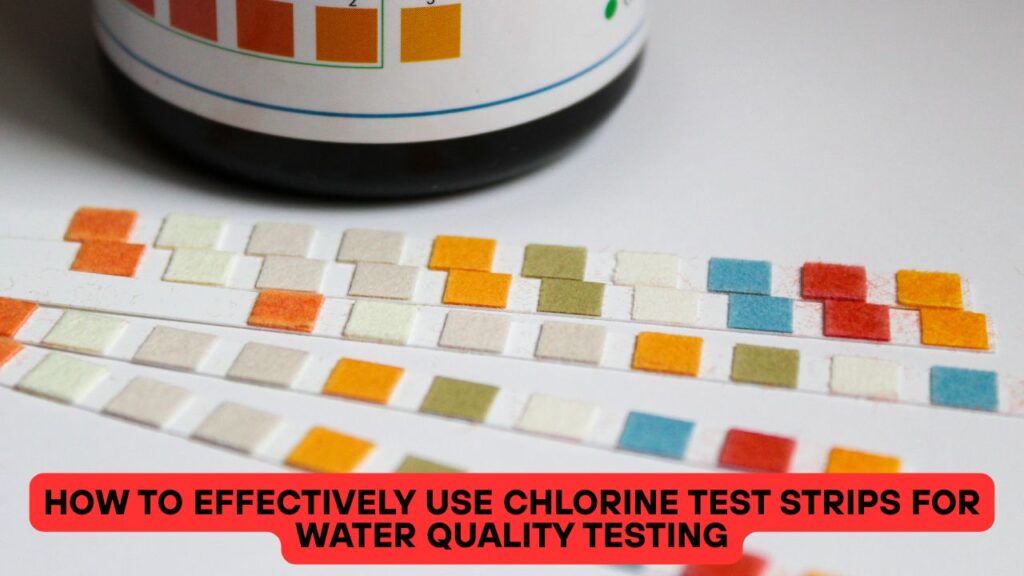
The color chart provided with chlorine test strips is a critical tool for interpreting results accurately. Generally, the color scale will have different shades corresponding to specific concentrations of chlorine in the water. When comparing the test strip to the chart, ensure you observe the strip under good lighting, as colors can appear misleading in low light or direct sunlight. Hold the strip next to the chart, and find the closest matching shade.
Accurate interpretation of the results is essential in deciding whether corrective actions are necessary. For municipal water systems, free chlorine levels below 0.2 ppm can indicate insufficient disinfection, while levels above 4 ppm may be considered excessive for recreational use. Understanding the implications of these measurements is crucial for actions such as adding more chlorine, diluting water, or investigating potential sources of contamination. Documenting results over time creates an invaluable database to track trends, assess the effectiveness of treatment strategies, and identify potential risks proactively.
Common Mistakes to Avoid When Using Chlorine Test Strips
Environmental Factors: How Temperature and Light Affect Your Results
Environmental factors play a significant role in the reliability of chlorine test strip readings. Temperature can markedly impact the chemical reactions that occur on the test strip. For instance, testing water that is significantly warmer or colder than optimal conditions (often between 20-25°C or 68-77°F for most strips) can lead to inaccurate results. Excessive heat may promote more rapid reactions, while colder temperatures can slow them down, both resulting in readings that do not accurately reflect the water’s chlorine levels.
Moreover, exposure to direct sunlight can degrade the chemicals on the test strip, potentially leading to false readings. Therefore, it is advisable to conduct tests in shaded environments or indoors where conditions can be controlled. Keeping the test strips away from high humidity or extreme temperatures during storage is also crucial for maintaining their integrity and effectiveness. By being mindful of these factors, you can help ensure that your test results are as accurate and reliable as possible.
Storage Tips: Keeping Your Test Strips Fresh and Effective
The longevity and effectiveness of chlorine test strips are highly dependent on proper storage conditions. Improper storage can lead to degradation of the chemicals that trigger color changes, rendering them useless for accurate testing. It is vital to store strips in a cool, dry place away from direct sunlight and moisture. A sealed plastic container or the original packaging with its moisture-absorbing components intact is recommended.
Additionally, bear in mind that any open pack of test strips should be used within the manufacturer’s recommended time frame, often found on the packaging. Regularly check strips for discolored labels or any signs of wear, which can indicate that they may not function as intended. Before starting a test, briefly review the expiration date to confirm usability. By following these simple storage guidelines, you can preserve the quality of your test strips, ensuring they yield accurate readings when needed the most.
The Dangers of Over-Relying on Test Strips Alone
While chlorine test strips provide a valuable tool for assessing water quality, relying solely on them can create a false sense of security. Test strips primarily measure only chlorine levels and may not account for the presence of other potential contaminates like heavy metals, nitrates, or organic pollutants that could compromise water safety. For instance, if chlorine has reacted with organic matter to create chloramines, the strips may not reflect the full disinfection status needed for safe water.
Furthermore, the chemical reactions associated with various types of chlorine can sometimes produce misleading results; this means that regular water sampling and lab testing are essential for comprehensive assessments. A multi-faceted approach that includes physical examination slips, chemical analysis, and microbiological testing helps to provide the clarity needed to manage water quality effectively. Maintaining a routine that incorporates various testing strategies not only enhances safety but also helps identify underlying issues that may not be apparent through testing alone.
Taking Your Water Quality Knowledge Further: Beyond Chlorine Testing
Exploring Other Water Quality Parameters You Should Monitor
To gain a complete understanding of water quality, it’s crucial to monitor several other parameters in addition to chlorine. For instance, pH levels can significantly influence chlorine’s effectiveness as a disinfectant; pools typically maintain a pH of 7.2-7.8 to optimize chlorine efficiency. Hardness and alkalinity are also important, affecting water clarity, taste, and equipment longevity. Monitoring dissolved solids, turbidity, and biological oxygen demand (BOD) can offer a comprehensive view of water quality and reveal issues that may need addressing.
Moreover, for individuals concerned with drinking water quality, testing for lead, copper, and purity levels is essential, especially in older pipe systems. Regular checks for nitrates and phosphates help prevent algal blooms, while assessments for coliform bacteria offer insights into biological contamination. Establishing a robust sampling and testing routine ensures that all facets of water quality are accounted for and effectively managed.
Integrating Chlorine Testing into Your Routine Water Management
Integrating chlorine testing into routine water management practices is critical for maintaining effective sanitation and safety protocols. For households with swimming pools, regular weekly testing of chlorine levels ensures that conditions remain safe for users while preventing costly damage from unbalanced water chemistry. For municipal water systems, schedules for water quality testing are typically mandated by regulatory agencies to comply with public health standards.
Creating a standardized protocol for chlorine testing—such as documentation of results, maintenance schedules, and corrective measures—serves to track trends and manage any emerging issues efficiently. User-friendly technology solutions, such as mobile apps for tracking water quality, can help facilitate this process and improve communication among various stakeholders, including consumers, maintenance crews, and water quality professionals. By taking a proactive approach, communities can foster safer environments and reinforce public trust in drinking water quality.
Staying Informed: Resources and Communities for Water Quality Enthusiasts
The pursuit of knowledge in water quality management involves staying informed and connected with relevant communities. Numerous online forums and organizations focus on water quality, offering access to research, guidelines, and collaborative platforms. Websites like the Environmental Protection Agency (EPA) provide extensive resources and information related to water safety standards, while organizations such as the American Water Works Association (AWWA) host workshops and conferences to keep professionals updated.
Social media and online communities also offer plenty of opportunities to learn from peer experiences. Participating in these communities allows water quality enthusiasts to share techniques, discuss challenges, and provide solutions that can enlighten personal practices and broader community water management strategies. Continuous education, whether through formal courses or informal discussions, ensures that you remain an informed advocate for water quality, equipped with the latest evidence-based practices and technologies.