The Chemistry of a Perfect Pool: Balancing Safety, Comfort, and Clarity
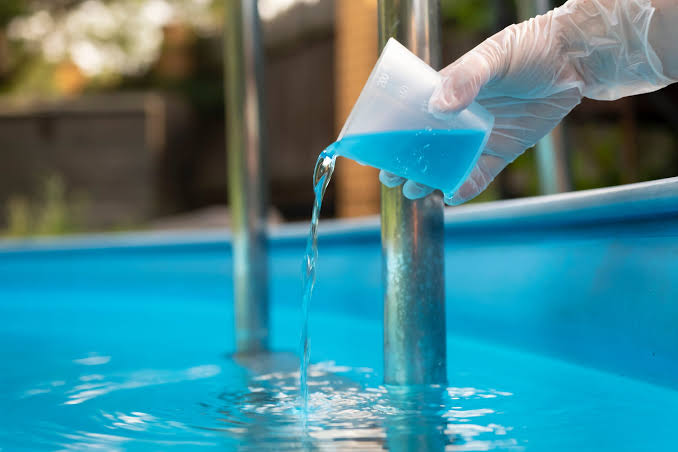
If you’ve ever taken a plunge into a swimming pool and experienced burning eyes, itchy skin, or the overpowering smell of chlorine, you’ve likely encountered the effects of improper chemical balance. Pool water may look clean, but the hidden world of chemistry beneath the surface can dramatically impact swimmer safety and comfort. Understanding the role of chemical testing and balancing isn’t just for experts—it’s fundamental for any pool owner who wants to keep their backyard oasis in optimal condition.
More than just routine maintenance, proper chemical balance is a science. It requires attention to fluctuating variables, environmental conditions, and the behavior of the pool’s users. For those who want to maintain a healthy swimming environment without constantly troubleshooting cloudy water or algae outbreaks, the secret lies in the water’s chemistry.
In this article, we’ll explore the essential role chemical balance plays in pool health, how it affects both swimmers and equipment, and why consistent oversight is far more than a luxury—it’s a necessity.
Water Chemistry: The Unsung Hero of Pool Health
Behind every clear pool lies a delicate balance of chemicals working in harmony. When correctly calibrated, these substances prevent harmful microorganisms from multiplying, safeguard equipment from corrosion, and ensure swimmers are comfortable in the water.
At the core of chemical testing and balancing are the following key parameters:
- pH Levels: The measure of acidity or alkalinity. A neutral pH (7.2–7.6) is ideal.
- Chlorine: The main sanitizer that kills bacteria and algae.
- Alkalinity: Acts as a buffer for pH, helping to keep it stable.
- Calcium Hardness: Prevents plaster damage and corrosion of metal parts.
- Cyanuric Acid: Protects chlorine from being destroyed by sunlight.
- Total Dissolved Solids (TDS): A measurement of all the materials dissolved in the water; excessive TDS can interfere with chemical efficiency.
Each of these variables influences the others. For example, if pH rises too high, chlorine becomes less effective. Without proper calcium hardness, the water becomes aggressive, potentially damaging tiles and metal fixtures. The importance of precise measurements cannot be overstated.
The Impact on Swimmers
Most people associate swimming with refreshment, relaxation, and fun. But poor water chemistry can disrupt that experience in more ways than one. Elevated chlorine levels may lead to red eyes and itchy skin, while unbalanced pH can cause respiratory irritation. Conversely, too little chlorine allows bacteria and algae to thrive, turning a clean-looking pool into a breeding ground for illness.
Balanced water creates an inviting experience. Swimmers don’t feel residue on their skin or smell sharp chemical odors. Proper levels reduce the risk of waterborne illnesses and create a safer, more enjoyable space for all ages.
Chemical Challenges and Environmental Variables
Maintaining balanced water chemistry isn’t a one-time task—it’s an ongoing challenge. Rain, sunlight, pool usage, and even landscaping elements such as leaves or grass clippings all influence the chemical composition of your pool. Heavy rainfall can dilute chlorine levels. Hot weather accelerates chemical dissipation. Organic matter introduces contaminants that require sanitizers to work harder.
For pools located in warmer climates or with high foot traffic, the demand for regular testing increases. In fact, during peak usage seasons, daily testing may be necessary to prevent the onset of algae or unsafe swimming conditions.
Professionals in the industry, such as Fortress Pool Service, emphasize the importance of understanding seasonal changes and adapting maintenance routines accordingly.
Equipment and Chemical Interplay
One of the less obvious consequences of poor chemical balance is damage to pool equipment. High acidity (low pH) can corrode metal parts, while overly alkaline water can leave scale deposits in pipes and on heaters. These deposits restrict water flow and reduce energy efficiency.
Furthermore, improperly balanced water puts additional strain on pumps and filters. They work harder to maintain clarity, resulting in premature wear and more frequent repairs. Maintaining the right chemical levels helps protect these vital systems and reduces the frequency and cost of replacements.
Routine Testing: Prevention Over Reaction
A common mistake pool owners make is relying on water appearance to determine chemical health. Clear water can still harbor imbalanced or unsafe conditions. That’s why routine testing is essential. Pool test strips offer a quick snapshot, while liquid reagent kits provide more detailed analysis. For even greater precision, electronic testers or professional testing services are available.
Ideally, pool water should be tested two to three times per week during active use. The following schedule offers a baseline for consistent chemical oversight:
- pH and Chlorine: Test 2–3 times per week.
- Alkalinity: Test weekly.
- Calcium Hardness and Cyanuric Acid: Test monthly.
- TDS and Metals: Test every three to six months.
Adjustments should be made immediately following each test to bring water back into optimal range.
Tips for Effective Chemical Balancing
- Add chemicals separately: Never mix products together. Introduce one chemical at a time and allow it to circulate fully.
- Follow manufacturer instructions: Measure carefully and don’t over-treat.
- Apply during off-peak hours: Early mornings or evenings help avoid sun-related chemical loss.
- Keep records: Log testing results and treatments to spot patterns over time.
Pool chemistry can seem daunting at first, but with a bit of practice, it becomes an intuitive process. The benefits—safe water, fewer repairs, and better experiences—make the effort worthwhile.
Peace of Mind with Expert Guidance
While many homeowners embrace a hands-on approach, having access to professional insight is invaluable. Specialists can diagnose hidden problems, calibrate systems, and ensure your pool stays healthy through every season. This is where having a reliable partner like Fortress Pool Service provides long-term reassurance.
A balanced pool isn’t just about chemical perfection—it’s about fostering a consistent, enjoyable environment where every swim is safe and satisfying.
Conclusion
Proper water chemistry is far more than a checklist item—it’s a cornerstone of responsible pool ownership. With regular testing, timely adjustments, and a bit of knowledge, you can enjoy pristine water that looks as good as it feels.
Even the best equipment and cleaning regimen can’t compensate for neglected chemistry. For homeowners who want a safe, efficient, and inviting swimming space, the investment in chemical testing and balancing is not just smart—it’s essential. Just ask any pool owner who has ever underestimated the power of pH.