Saltwater vs. Chlorine Pools: What to Know Before Building
If you’re dreaming of having your own backyard oasis, one of the first decisions you’ll face is choosing between a saltwater and a chlorine pool. Both options come with their own set of benefits and challenges, making it essential to weigh your preferences and priorities before committing to one. Understanding the key differences can help you build the pool that best suits your lifestyle, budget, and maintenance expectations.
How They Work: Saltwater vs. Chlorine Systems
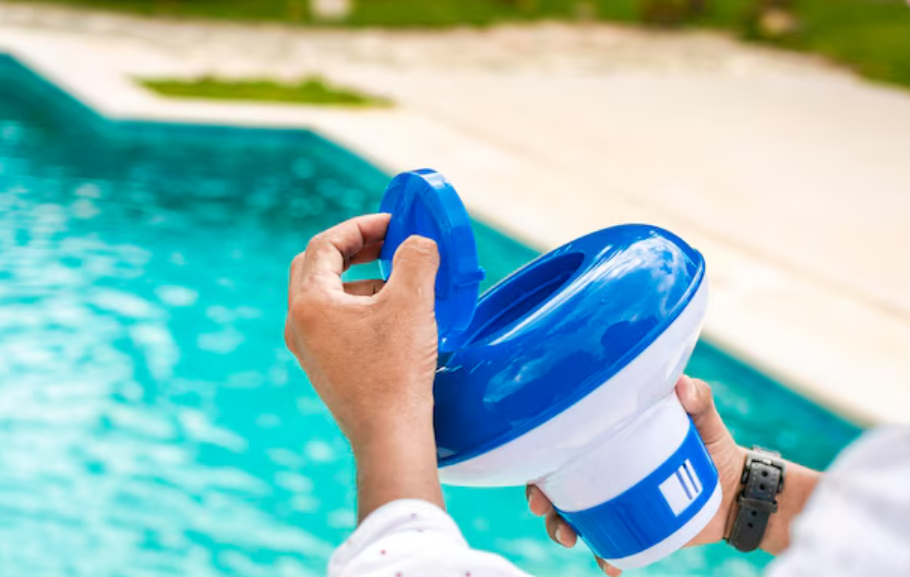
At their core, saltwater and chlorine pools are similar in that they both use chlorine to sanitize the water. The key difference lies in how chlorine is introduced. In traditional chlorine pools, chlorine is manually added through tablets, granules, or liquid. Saltwater pools, on the other hand, generate chlorine through a process called electrolysis. Salt added to the water passes through a generator, converting it into chlorine.
While both systems are effective at keeping your pool clean, the method of chlorine production can significantly impact your swimming experience and maintenance routine. Saltwater systems offer a more automated approach, while traditional chlorine systems require consistent manual intervention.
Initial Installation Costs
One major consideration is the upfront cost. Saltwater pools typically come with higher installation expenses due to the need for a saltwater generator and specialized equipment. On average, installing a saltwater system can add a few thousand dollars to your initial budget compared to a chlorine pool. However, some pool owners find this investment worthwhile for the convenience and long-term cost savings.
Chlorine pools, in contrast, have lower upfront costs but may require higher ongoing expenses for chemicals and maintenance supplies. If you’re working within a tight budget, this may sway your decision toward a traditional chlorine setup.
Maintenance Requirements
Maintenance is another key factor to consider. Saltwater pools are often touted for their low maintenance, as the generator continuously produces chlorine, reducing the need for frequent manual additions. However, the generator and other components must be inspected regularly, and you’ll need to monitor salt levels to ensure proper functioning.
Chlorine pools demand more hands-on maintenance, including the regular addition of chlorine and careful balancing of pH and alkalinity levels. For some pool owners, this extra effort is a manageable trade-off, while others may prefer the reduced upkeep of a saltwater system.
Comfort and Swimmer Experience
One of the standout benefits of saltwater pools is the swimming experience. The water tends to feel softer and less irritating to the skin and eyes, thanks to the lower chlorine concentration. This makes saltwater pools a popular choice for families with young children or individuals with sensitive skin.
In contrast, traditional chlorine pools can have a stronger “pool smell” and may occasionally cause irritation if chemical levels are not perfectly balanced. That said, some swimmers appreciate the crisp, classic feel of a chlorine pool and are willing to manage the occasional drawbacks.
Longevity and Durability
Saltwater pools can be tougher on certain materials due to the corrosive nature of salt. Pool liners, metal fixtures, and even surrounding decking materials may wear out faster in a saltwater environment. It’s important to choose salt-resistant materials during construction to mitigate these issues.
Chlorine pools are less likely to cause such wear and tear, making them a better option for those concerned about long-term durability. However, regular exposure to chlorine can still lead to discoloration or damage over time if not properly managed.
Environmental Impact
From an environmental perspective, saltwater pools may be considered more sustainable. They use fewer chemical additives, which can be better for the surrounding ecosystem. However, the salt itself must be handled carefully to avoid runoff that could harm plants or soil.
Chlorine pools require consistent use of chemicals, which need to be stored and disposed of responsibly. For eco-conscious homeowners, this could be an important consideration when deciding between the two options.
Which Pool is Right for You?
Choosing between a saltwater and chlorine pool ultimately depends on your priorities. If you value a low-maintenance, gentle swimming experience and are willing to invest more upfront, a saltwater pool might be the perfect fit. On the other hand, if you’re looking for a cost-effective solution with more flexibility in maintenance, a chlorine pool may be the better choice.
Regardless of which option you choose, proper care and attention will ensure your pool remains a safe and enjoyable retreat for years to come. If you are looking for a professional, there are League City pool builders who can help. Take the time to evaluate your budget, lifestyle, and long-term goals to make an informed decision that transforms your backyard dreams into reality.