Why Breakwalls Matter: Protecting Waterfront Properties with Purpose
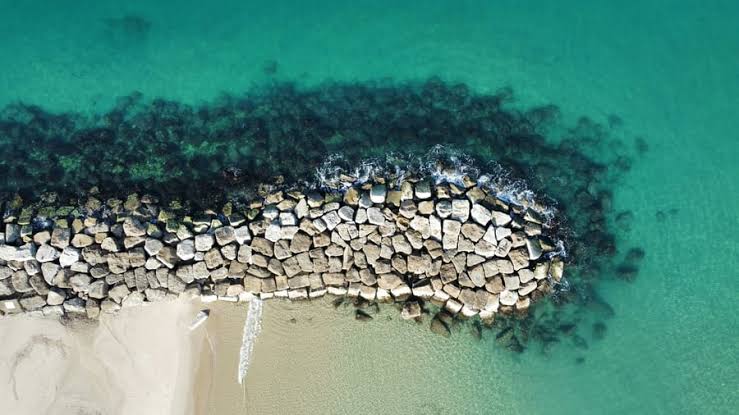
Living near water offers unparalleled beauty, tranquility, and recreational benefits. But those scenic views come with a challenge that many property owners eventually face—erosion. Whether caused by wave action, rising water levels, or seasonal runoff, shoreline erosion can threaten the integrity of waterfront land and structures. One of the most effective solutions to this persistent issue is breakwall construction.
Breakwalls, also known as retaining walls when used on landward slopes, are designed to protect against erosion and absorb the force of incoming water. These structures play a critical role not only in preserving property lines and landscape designs but also in stabilizing environments that are constantly at risk of change.
From residential shorelines to commercial waterfronts, breakwalls provide both protection and visual appeal when built with the right materials and proper engineering. As outdoor spaces evolve to include more hardscapes and customized designs, these walls are no longer simply functional—they’re a central element in long-term land management and outdoor aesthetics.
The Erosion Problem: What’s at Stake?
Erosion is a natural process, but its acceleration due to human activity and climate variation poses real threats. For waterfront property owners, erosion means more than just losing a few inches of shoreline—it can compromise:
- Foundations of homes or buildings
- Landscaping investments such as gardens and hardscapes
- Access pathways, docks, or driveways
- Recreational areas and private beaches
- Local water quality from runoff and sediment disturbance
Once erosion begins, it’s difficult to stop without structural intervention. The longer it’s left unaddressed, the more complex and costly the repairs become. Breakwall construction offers a proactive way to mitigate this risk and safeguard the long-term value of waterfront properties.
How Breakwalls Work
Breakwalls are engineered barriers that stand between land and water, designed to absorb, deflect, or slow the energy of incoming waves. Depending on the shoreline’s conditions and the level of exposure, breakwalls can be constructed in various forms:
- Vertical walls for areas with limited space or stronger waves
- Sloped or stepped designs to gradually reduce energy impact
- Rubble mound walls using large stones or concrete blocks
- Hybrid systems incorporating vegetation or drainage for added resilience
The goal of any breakwall is to minimize erosion while integrating into the natural or built environment. These structures often serve a dual purpose by enhancing aesthetics and defining edges between land and water.
Materials Matter: Choosing the Right Supply
Successful breakwall construction starts with material selection. The performance and longevity of these structures depend heavily on what they’re built with. Natural stone remains one of the most reliable choices due to its strength, resistance to weathering, and visual harmony with outdoor landscapes.
When selecting materials for breakwalls, important factors include:
- Density and weight of the stone to resist displacement
- Weather resistance in freeze-thaw environments
- Aesthetic compatibility with existing landscaping stone supply
- Stability when stacked or set into sloped surfaces
Using locally sourced stone is also recommended to match regional terrain and reduce transportation impact. Mountain Stone supports shoreline projects by providing quality materials suited for high-durability applications like breakwalls and erosion control.
Design Integration with Retaining Walls and Hardscapes
Breakwalls are often used in conjunction with retaining wall construction, especially when properties extend up from the water’s edge. While breakwalls deal with wave energy, retaining walls prevent soil movement and manage runoff on sloped terrain. Together, they provide comprehensive shoreline protection.
Integrating these features with surrounding hardscapes can create cohesive, functional spaces. For example:
- Patios or decks can be built above or behind a breakwall for elevated views
- Stairs or stone steps can transition from higher ground to water level
- Walkways lined with landscaping stone can provide access without disrupting drainage
By tying these components together, property owners not only enhance the performance of their erosion control systems but also gain outdoor spaces that are both usable and visually compelling.
Installation Considerations and Long-Term Maintenance
Proper installation is critical to breakwall effectiveness. Without correct placement, backfilling, and anchoring, even the most robust materials can shift or fail under the stress of waves and soil pressure.
Key factors in breakwall installation include:
- Depth of foundation below waterline or grade
- Correct angle or curvature to deflect wave energy
- Use of filter fabric to prevent soil migration
- Backfill material that allows for drainage and pressure relief
Over time, even well-built breakwalls require maintenance. Periodic inspection for settling, material displacement, or drainage issues helps ensure long-term performance. Quick adjustments or stone replacement can prevent minor concerns from escalating into major problems.
Environmental and Regulatory Aspects
Shoreline projects often require permits or environmental assessments, especially when they involve public waterways or protected zones. Breakwall construction must comply with local and state regulations to protect aquatic ecosystems and prevent unintended shoreline alteration.
Sustainable design choices can reduce environmental impact, such as:
- Incorporating native vegetation along breakwalls for shoreline stabilization
- Using permeable hardscape materials that support natural drainage
- Avoiding concrete-heavy designs that disrupt aquatic habitats
Working with professionals who understand both design and compliance helps streamline the process and ensures environmentally responsible outcomes.
Building Value and Resilience
The true value of breakwalls goes beyond immediate erosion control. They offer peace of mind during storm events, increase usable land space, and add a sense of permanence to any waterfront property.
For homeowners planning to build outdoor living spaces near water, incorporating breakwalls early in the design process sets the stage for success. Likewise, those facing erosion issues can view these structures not as expenses, but as long-term investments in land preservation and visual appeal.
A properly constructed breakwall paired with durable hardscapes and supported by consistent landscaping stone supply creates a unified landscape—strong, stylish, and ready for the elements.
Final Thoughts
Waterfront properties face a unique set of challenges, with erosion sitting at the top of the list. Breakwalls provide a powerful line of defense, offering both protection and design opportunities that blend seamlessly into modern outdoor spaces.
Whether you’re looking to maintain your shoreline, expand your living area, or protect existing investments, breakwall construction is a wise and often necessary decision. By using quality materials, proper design techniques, and a long-term approach to maintenance, property owners can enjoy the benefits of a protected shoreline for years to come.
Mountain Stone supports these efforts by delivering the materials needed to build smart, resilient outdoor solutions—one stone at a time.