Innovative Land Management Techniques for Eco-Friendly Development
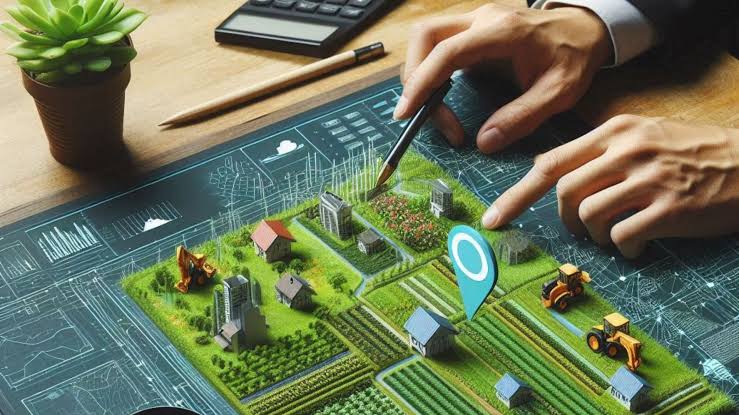
Land management is more than just clearing trees or grading terrain—it’s about making informed decisions that balance development with sustainability. As land use continues to expand for residential, commercial, and agricultural purposes, the need for eco-friendly land management techniques has never been more important. These methods not only help preserve natural resources but also reduce long-term maintenance costs and improve land resilience.
From sustainable clearing practices to erosion control and water conservation, innovative land management techniques are transforming the way landowners approach development. Instead of disrupting natural ecosystems, modern strategies focus on working with the land, ensuring long-term productivity and environmental health. These techniques are particularly useful in regions where climate variability, soil erosion, and water conservation are major concerns.
Bear Claw Land Services is dedicated to integrating sustainable land management solutions that support both development and ecological balance. As a Colorado land services company, they recognize the importance of using modern strategies to maintain land integrity while preparing it for construction, agriculture, or conservation efforts. By adopting eco-friendly techniques, landowners can create functional spaces without compromising the environment.
Sustainable Land Clearing: Minimizing Environmental Disruption
Clearing land is often necessary to prepare for new projects, but traditional methods can lead to unnecessary destruction of soil and habitats. Sustainable land clearing techniques help minimize disruption while maintaining soil health and supporting biodiversity.
1. Selective Clearing for Environmental Balance
- Instead of removing all vegetation, selective clearing allows for the removal of only necessary trees and brush.
- This method helps maintain the natural balance of ecosystems while providing space for development.
- Retaining native plants reduces soil erosion and prevents invasive species from taking over cleared areas.
2. Mulching and Brush Management for Land Restoration
- Mechanical mulching grinds down vegetation into organic material that can be reused as ground cover.
- Mulch acts as a natural barrier against erosion, retaining moisture and improving soil quality.
- Unlike burning, this technique prevents harmful emissions and promotes soil regeneration.
3. No-Till Land Preparation for Minimal Soil Disturbance
- Instead of deep excavation, no-till methods disturb only the surface, preserving soil structure.
- This method reduces the risk of erosion and maintains underground microbial activity for better soil fertility.
- It’s ideal for agricultural and conservation projects that require long-term soil stability.
Erosion Control Techniques for Land Stability
Uncontrolled erosion can quickly degrade land, leading to unstable foundations, water contamination, and loss of fertile soil. Proper erosion control measures ensure that land remains intact and usable.
1. Contour Grading for Natural Water Flow
- Instead of leveling land completely, contour grading follows the land’s natural shape to guide water safely.
- This prevents water from collecting in low-lying areas and reduces the risk of soil displacement.
- It is particularly effective on slopes and hilly terrains where runoff can cause extensive damage.
2. Terracing and Retaining Walls for Slope Stability
- Creating step-like terraces helps slow down water runoff, preventing rapid soil erosion.
- Retaining walls support steep slopes, reducing the chances of landslides and sediment loss.
- These structures also allow for better vegetation growth, improving overall land strength.
3. Native Plant Integration for Soil Retention
- Deep-rooted native plants help anchor soil, making it less susceptible to erosion.
- Native species require less maintenance and naturally adapt to the local climate.
- Using vegetation as a natural erosion barrier prevents the need for excessive artificial reinforcements.
Water Conservation Strategies for Sustainable Land Use
Managing water efficiently is crucial for sustainable land development. Overuse and poor drainage can lead to excessive runoff, soil degradation, and resource depletion. Innovative water conservation techniques improve both water retention and land productivity.
1. Rainwater Harvesting for Efficient Water Use
- Capturing and storing rainwater reduces dependency on municipal water sources.
- Stored rainwater can be used for irrigation, reducing overall water consumption.
- This method helps maintain soil moisture levels and supports sustainable landscaping.
2. Permeable Surfaces to Reduce Runoff
- Replacing traditional pavement with permeable materials allows rainwater to absorb into the soil.
- This reduces surface runoff, preventing flooding and soil erosion.
- Permeable surfaces also improve groundwater recharge, benefiting the surrounding ecosystem.
3. Smart Irrigation Systems for Precision Watering
- Drip irrigation delivers water directly to plant roots, reducing waste and improving efficiency.
- Automated sensors adjust watering schedules based on soil moisture levels and weather conditions.
- This system prevents overwatering and promotes healthier plant growth while conserving resources.
Wildlife and Habitat Preservation in Land Development
Balancing development with habitat preservation ensures that land remains ecologically viable while being functional for human use. Integrating wildlife-conscious strategies supports biodiversity and reduces environmental impact.
1. Wildlife Corridors for Natural Movement
- Maintaining green pathways allows wildlife to move freely between habitats.
- Corridors reduce habitat fragmentation caused by roads, fences, and construction.
- This strategy promotes healthy animal populations while maintaining biodiversity.
2. Tree Buffer Zones for Ecosystem Protection
- Keeping tree buffers around water sources prevents soil erosion and improves water quality.
- Forested areas help regulate temperature and provide shelter for various species.
- Tree buffers act as windbreaks, reducing land degradation from strong winds.
3. Responsible Land Use Planning for Minimal Disruption
- Zoning areas for conservation ensures that critical habitats remain protected.
- Designing projects with minimal land disturbance reduces long-term environmental damage.
- Integrating natural landscapes into development enhances both property value and sustainability.
The Economic and Environmental Benefits of Sustainable Land Management
Adopting eco-friendly land management techniques is not just beneficial for the environment—it also provides long-term cost savings and improves land usability.
1. Reduced Maintenance and Repair Costs
- Preventing erosion, controlling runoff, and maintaining healthy vegetation reduces the need for expensive repairs.
- Well-managed land requires less intervention over time, lowering upkeep expenses.
2. Improved Land Productivity and Value
- Sustainable techniques enhance soil fertility, supporting long-term agricultural and landscaping projects.
- Properties with well-maintained ecosystems have higher market value and appeal.
3. Long-Term Environmental Stability
- Preserving natural resources ensures that land remains viable for future generations.
- Responsible development reduces negative environmental impacts while supporting local ecosystems.
Final Thoughts
Land management is evolving to meet modern sustainability standards, and eco-friendly techniques are at the forefront of responsible development. By integrating methods such as selective clearing, erosion control, water conservation, and habitat preservation, landowners can ensure their properties remain both functional and environmentally sound.
Bear Claw Land Services recognizes the importance of innovative and sustainable approaches to land development. As a Colorado land services company, they are committed to helping property owners implement strategies that promote long-term stability and ecological balance.
With the right land management techniques, development and conservation can work hand in hand—creating landscapes that are productive, resilient, and environmentally responsible.