Seasonal Shifts: Preparing Your Outdoor Spaces for Year-Round Functionality
Outdoor spaces are often treated as seasonal luxuries—bursting with life in spring and summer, then fading into hibernation as the colder months creep in. But thoughtful design and planning can unlock year-round potential. By anticipating seasonal transitions and investing in durable, well-aligned elements, your yard can stay practical, comfortable, and attractive no matter the time of year.
This guide explores how homeowners can optimize their landscape and fencing elements for every season. It’s not just about planting hardy shrubs or sealing wood; it’s about designing with intention, so your space works with nature’s rhythm rather than being ruled by it.
Spring: The Foundation for the Year Ahead
Spring is when your yard shakes off its winter slumber. Plants begin to bloom, daylight extends, and outdoor projects start ramping up. It’s also the most strategic time for inspecting and reinforcing your infrastructure.
Start with your fence. Walk your property and check for damage caused by snow, wind, or ice. Loose posts, cracked panels, or rusted hardware are all signs that your fence needs attention. Early detection allows for prompt repairs and helps prevent bigger problems later in the year.
If you’re considering new fence installation, spring is ideal. The thawed ground is easier to dig, and milder weather allows for smoother scheduling. A fencing company can help you assess which materials are best suited for your climate and soil conditions while aligning with the broader look of your landscape.
Landscaping efforts in spring should focus on cleanup, pruning, and preparation. Remove dead growth, refresh mulch beds, and aerate the soil. Early planting of perennials, herbs, and cool-season vegetables sets the tone for a lush, layered summer garden. Partnering with a skilled landscaping company ensures that your choices are compatible with both aesthetics and seasonal performance.
Summer: Maximum Use and Maintenance
Summer is the time when outdoor spaces come alive with activity. Patios become gathering spots, gardens explode with color, and children and pets enjoy the open yard. But all this use also means more maintenance—and more opportunity to rethink layout for convenience and comfort.
Fencing plays an important role in summer functionality. Privacy fencing offers a backdrop for barbecues and relaxation, while open designs help airflow and visibility. Strategic fence placement can also shield sitting areas from wind, block direct sunlight at certain times of day, or define garden zones. This is the season when your investment in fence installation truly pays off.
It’s also smart to revisit landscaping design in midsummer. Shifting shade patterns might reveal gaps in plant coverage or highlight high-traffic zones that need reinforcement. Mulch may need topping off, and irrigation systems should be checked regularly to ensure even coverage and efficient water use.
A reliable landscaping company can adjust your plan as the summer evolves—incorporating additional shade plants, rerouting pathways, or introducing temporary structures like pergolas or trellises that boost both beauty and functionality.
Fall: Transition and Preparation
As temperatures drop and leaves begin to fall, autumn signals the transition from high-activity months to preparation mode. It’s a time to both enjoy the final moments of outdoor comfort and get your space ready for the colder months ahead.
Start with trimming back summer growth and removing debris. Fallen leaves may look picturesque, but if left unchecked, they can suffocate grass and harbor pests. Compost what you can and use shredded leaves as mulch to insulate garden beds.
Fencing should be inspected again—this time with an eye toward durability. Are there boards that need sealing? Posts that need reinforcing? Gates that stick or sag? Taking these measures in fall ensures your fence stays strong under winter conditions.
For those in colder regions, fall is the last window for fence installation before the ground freezes. If you’ve been putting it off, this is the time to act. Working with a fencing company now means you’ll be ready for spring use with no delays.
Landscaping should shift to include hardy species, fall-blooming plants, and ground cover that minimizes erosion during rain-heavy months. Consider installing hardscapes or drainage features that will help manage runoff and reduce mud or pooling around pathways and fence lines.
Winter: Protection, Structure, and Planning
While most think of winter as a dormant time for outdoor spaces, it’s actually a great season to appreciate the structural bones of your yard. With leaves gone and gardens cleared, elements like fencing, paths, and stonework take center stage.
A well-built fence becomes more than just a boundary in winter—it’s a windbreak, a visual frame, and sometimes even a backdrop for snow-laden vines or holiday décor. Materials like vinyl or treated metal are especially resistant to winter wear and tear, though any fence installed by a reputable fencing company should withstand seasonal challenges.
Use this quieter time to evaluate long-term goals. Are there areas of your yard that remain underutilized? Do you want more privacy, easier maintenance, or better year-round access? Winter is a strategic time for planning renovations or reaching out to a landscaping company for design consultations.
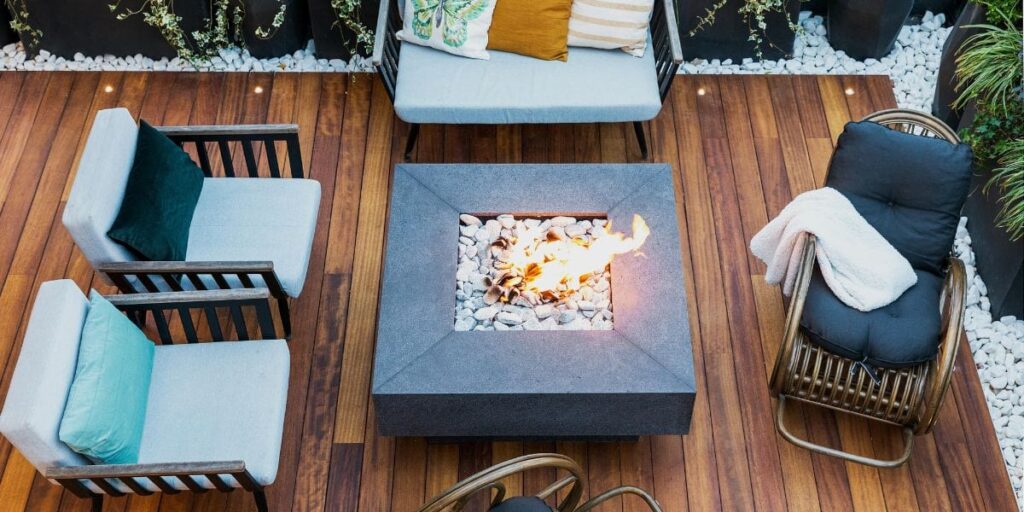
Additionally, winter landscapes don’t have to be barren. Evergreens, ornamental grasses, and cold-hardy shrubs can add depth and interest even in the absence of flowers. Focal points like fire pits, bird feeders, or sculptural plants can be highlighted by the contrast of snow and bare surroundings.
Cross-Seasonal Tips for Maximum Functionality
- Layered Planting: Select plants with staggered bloom and dormancy periods so there’s always something visually interesting in your yard. A landscaping company can create a layered design with year-round appeal.
- Durable Materials: Whether in fencing or hardscapes, prioritize weather-resistant materials that maintain integrity across temperature swings. Composite fencing and treated lumber are top options.
- Smart Drainage: Good drainage protects both plant health and structural components. Ensure that water doesn’t collect at the base of fence posts or around foundations.
- Lighting Considerations: As daylight hours shift, solar or low-voltage lighting can maintain ambiance and safety. Pathway lights and uplights for trees or fencing enhance usability and mood year-round.
- Flexible Use Zones: Create areas that can adapt to the season—a deck with removable covers, raised beds that can be insulated, or lawn space that transitions from sunbathing to snow play.
Final Thoughts
Designing your yard for year-round functionality isn’t about cramming features into every corner. It’s about smart planning, durable materials, and seasonal adaptability. A cohesive outdoor space offers privacy when you need it, openness when you want it, and visual interest even when the flowers are gone.
By coordinating efforts between a reliable landscaping company and a fencing company that understands structural and seasonal demands, your yard becomes more than a summer showcase. It becomes a living, usable extension of your home—twelve months a year.
Mile High Fence & Landscape recognizes the value of year-round design and brings insight into both the green and the grounded elements that make an outdoor space work through all four seasons.