How Seasonal Changes Affect Your Home’s Exterior—and What You Can Do About It
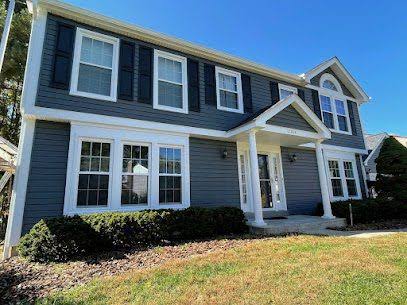
Every season brings its own rhythm, colors, and beauty—but with these changes also come different stressors on your home’s exterior. Whether it’s snow-covered shingles, wind-lashed siding, or swollen wood trim from spring rains, your home undergoes constant transformation in response to weather. Left unchecked, these shifts can shorten the lifespan of essential systems, compromise energy efficiency, and lead to costly repairs.
From rooflines to windows, understanding how each season affects your home’s exterior is the first step in proactive maintenance and better long-term planning.
Spring: Moisture and Movement
Spring is a time of renewal, but for your home, it can be a stress test. Melting snow combined with frequent rain puts water management systems to the test. If gutters, downspouts, or roof drainage pathways are blocked or damaged, you may see water pooling near your foundation or leaking behind fascia boards.
Additionally, expanding and contracting building materials—especially wood and caulking—can leave gaps in seals. These small vulnerabilities may lead to rot, mildew, or insect infiltration if not identified early.
Key Concerns:
- Gutter overflow or detachment from ice damage
- Early mold growth on trim or siding
- Warped or cracked window frames
- Loose shingles or flashing compromised by freeze-thaw cycles
What to Do:
- Inspect all downspouts and gutters for blockages
- Re-seal and re-caulk around windows, especially if drafts persist
- Examine attic spaces for moisture buildup from hidden roof leaks
- Schedule a spring inspection from a trusted roofing company to assess seasonal wear
Summer: Heat and UV Exposure
When temperatures rise, building materials expand—especially metal flashing and vinyl siding. Prolonged heat exposure can warp siding panels, fade painted surfaces, and dry out sealants. On roofs, shingles may curl or become brittle, especially if they are nearing the end of their lifespan.
High humidity can also contribute to mildew growth in hidden spots. Combine that with increased cooling demands indoors, and windows play an even bigger role in home performance.
Key Concerns:
- UV damage to roofing shingles and trim
- Poor insulation around windows resulting in higher energy bills
- Cracking or warping of siding and paint
- Screen and hardware deterioration on windows and doors
What to Do:
- Check your attic ventilation—overheating can cause premature shingle failure
- Evaluate window insulation and consider window replacement if cooling costs spike
- Wash siding to remove pollen, dust, and mold spores
- Shade south-facing windows with blinds or films to reduce indoor heat gain
Fall: Leaves and Structural Shifts
Autumn may be the most picturesque season, but it’s also the most deceptive. As leaves fall and temperatures drop, your home is preparing for winter in subtle but critical ways. Gutters clogged with leaves can become breeding grounds for ice dams. Tree limbs hanging low in the summer become threats in the fall as storms become more frequent.
Cooler nights also accelerate wood contraction. This seasonal movement can loosen window and door frames, create air gaps, and strain fascia and soffit materials.
Key Concerns:
- Debris build-up in gutters and roof valleys
- Shrinking seals around windows and exterior doors
- Branches scraping or hanging over rooflines
- Drafts or air leaks in the home’s envelope
What to Do:
- Clean all gutters and inspect roof valleys for accumulation
- Trim back branches close to the roof or siding
- Consider a fall maintenance visit from a window installation expert to check frames and seals
- Use caulk or weather stripping to seal air leaks before winter arrives
Winter: Ice, Wind, and Structural Load
Winter is the most punishing season for your home’s exterior. Snow adds weight, ice strains roof edges, and wind tests structural fasteners. One of the biggest risks is the formation of ice dams, which occur when heat escapes from the roof and melts snow unevenly. The water refreezes at the eaves, pushing back under shingles and causing interior leaks.
Freezing temperatures can also stress aging materials. Windows that worked fine in summer may now leak cold air or resist opening entirely. Snow packed against siding or window wells introduces additional moisture, even on days without precipitation.
Key Concerns:
- Ice dams causing water intrusion
- Cracks in older window glass or frames
- Sagging gutters or fascia from snow weight
- Roofing shingles lifting from wind gusts
What to Do:
- Clear snow from the roof with a roof rake after storms
- Keep soffit and ridge vents clear to regulate attic temperatures
- Monitor ceilings and upper walls for signs of leaks
- Replace older windows that show condensation or frost buildup between panes
Thinking Holistically: Your Home as a Seasonal Ecosystem
Rather than responding to damage as it arises, the most effective approach is to view your home as a connected system. Your windows, roof, siding, gutters, and even your landscape work together to manage environmental stress.
A proactive maintenance plan that adapts with the seasons will not only extend the life of your exterior materials but will also improve daily comfort and reduce utility costs. This is particularly true in areas that experience temperature extremes or sudden weather changes.
Window replacement, for example, may seem like a cosmetic upgrade at first glance. But new energy-efficient windows can help reduce stress on your HVAC system, eliminate drafts, and prevent condensation-related rot. Similarly, a properly maintained roof prevents water from entering and damaging insulation or upper wall framing—elements that directly affect indoor comfort and health.
A Note on Professional Guidance
Not all seasonal damage is visible to the untrained eye. Many homeowners don’t realize there’s a problem until a leak stains the ceiling or energy bills begin to spike. That’s why routine inspections can be so valuable.
Partnering with an experienced contractor—like the professionals at Character Exteriors—can make all the difference in identifying risks early, implementing targeted solutions, and creating a maintenance schedule that keeps your home protected year-round.
Final Thoughts
Seasonal change is inevitable, but damage doesn’t have to be. Understanding how different elements of your home respond to each season empowers you to take control of exterior maintenance before it becomes reactive—and expensive.
From minor caulking to more complex updates like window installation or roof evaluation, every step you take is part of a larger effort to keep your home safe, efficient, and beautiful across the calendar. When your systems work together, the seasons become opportunities—not threats—for renewal and improvement.