Inside-Out Beauty: Why Interior Remodeling Should Work as Hard as It Looks
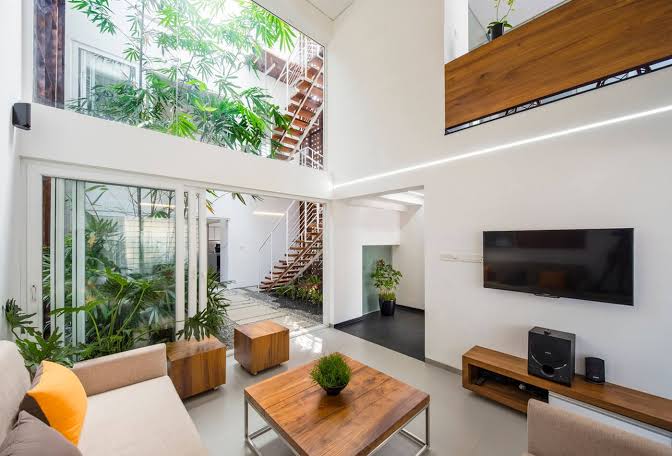
We live in an era where visual appeal often takes center stage—sleek counters, gleaming floors, and immaculate finishes dominate inspiration boards. But behind the beauty lies something even more essential: functionality. For a remodeling project to be truly successful, it must balance visual charm with smart design choices that support daily living. This is especially true when it comes to bathroom remodeling, kitchen remodeling, and full interior remodeling.
A beautiful space that doesn’t serve its purpose is ultimately frustrating. On the other hand, a thoughtfully designed space that also delights the eye becomes a joy to live in. The harmony between these two priorities is the hallmark of remodeling that truly adds value.
Redefining Interior Remodeling in a Performance-Driven World
Homeowners are increasingly seeking spaces that aren’t just pretty—they want spaces that perform. A home is a dynamic environment, shifting and adapting as lives change. Interior remodeling needs to support this evolution, not get in the way of it.
In the kitchen, for instance, functionality begins with layout. Remodeling projects that prioritize work zones—prep, cook, clean, and store—make cooking more efficient and enjoyable. If the refrigerator blocks access to the pantry when open, or there’s no place to chop vegetables without crossing the room, the kitchen becomes an obstacle course. Beauty can’t compensate for that.
Similarly, bathroom remodeling is no longer just about aesthetics. It’s about comfort and usability—considering things like slip-resistant surfaces, adjustable lighting, and well-placed storage. A luxurious tile pattern might be striking, but if it becomes dangerously slick when wet, it poses more problems than it solves.
The Role of Materials: Design That Lasts
Another growing trend in interior remodeling is the shift toward durable, low-maintenance materials. It’s not just about looks—it’s about longevity. Homeowners want kitchen counters that can handle hot pots and sharp knives. They want bathroom surfaces that resist moisture, mildew, and daily wear.
That’s where careful material selection becomes critical. Porcelain tiles, engineered quartz, and treated woods have gained popularity not only for their beauty but also for their resilience. Choosing materials with performance in mind ensures the space stays as functional and attractive in five years as it was on day one.
This kind of strategic remodeling demonstrates that beauty and performance aren’t mutually exclusive—they can (and should) complement each other.
Flow Matters: Designing for Movement and Energy
When planning a comprehensive interior remodeling project, flow becomes one of the most critical components. How people move through a space affects its energy, its usability, and even its mood.
Take kitchen remodeling as an example. A thoughtful layout will minimize bottlenecks, allow for collaboration, and enhance communication between adjoining rooms. Open floor plans remain popular for this reason—they encourage connection. But that doesn’t mean walls need to disappear entirely. Partial partitions, breakfast bars, or clever cabinetry can help define zones without isolating them.
In bathroom remodeling, flow can be influenced by lighting, doorway placement, and how the room is accessed from other parts of the home. These subtle considerations make the space feel like it belongs, instead of being tacked on as an afterthought.
Interior remodeling, when done with flow in mind, allows each room to support the next. The result is a home that feels intentional—designed not just for today’s needs, but for tomorrow’s changes.
Lighting: The Silent MVP of Interior Remodeling
Lighting is often underestimated in remodeling discussions, yet it plays a crucial role in the success of any room. Poor lighting can sabotage even the most well-designed interiors.
In kitchen remodeling, layered lighting—task, ambient, and accent—ensures both functionality and ambiance. Under-cabinet lighting aids food prep. Pendants over islands create a cozy focal point. Recessed lighting brightens work zones without overwhelming the space.
Bathrooms benefit from similar attention. Remodeling plans should prioritize adjustable lighting for tasks like grooming, alongside softer lighting for relaxation. In interior remodeling overall, lighting serves as the bridge between design and usability. It influences everything from mood to safety to energy efficiency.
Storage as a Design Strategy
Too often, storage is treated as an afterthought, squeezed into leftover nooks. But smart storage should be part of the design from day one. It shapes the functionality of a space and reduces visual clutter, allowing the beauty of a room to shine.
In kitchen remodeling, this means pull-out pantry drawers, integrated spice racks, or deep drawers for pots and pans. Bathroom remodeling should include ample space for toiletries, towels, and personal items without crowding countertops.
When interior remodeling incorporates discreet, thoughtful storage, homes become easier to live in. Clutter disappears, daily tasks become streamlined, and visual harmony is restored.
Sustainability in Remodeling: The Next Frontier
Modern homeowners are also paying attention to how their remodeling projects impact the planet. Sustainable design isn’t just a buzzword—it’s a lifestyle shift. Reclaimed materials, energy-efficient appliances, and non-toxic paints are becoming standard choices.
For example, bathroom remodeling that includes low-flow toilets and water-saving fixtures reduces environmental impact without sacrificing performance. Kitchen remodeling projects are leaning into induction cooktops, LED lighting, and cabinetry made from recycled content.
Interior remodeling is evolving to reflect these values. Homes are being built around principles of stewardship—of energy, water, and resources. And in doing so, they’re also building in value for future resale.
Bringing It All Together
The best remodeling projects don’t just change what a space looks like—they change how it works. They improve lives. They reduce friction. And they turn everyday tasks into something a little more enjoyable.
This is the vision behind thoughtful interior remodeling. It’s what homeowners are seeking when they update their kitchen, overhaul their bathroom, or reimagine their entire layout. They want spaces that match their lives—not just in style, but in spirit.
Character Interiors understands this balance well. While appearances matter, they know it’s the details that make the difference—how a drawer opens, how the light catches the wall, how a room supports your routine without standing in your way.
Final Thoughts: Function Is the New Luxury
The shift in remodeling priorities marks a broader change in how we define luxury. Today, luxury isn’t just polished marble or imported tile—it’s a kitchen that supports family dinners, a bathroom that feels like a quiet escape, a layout that works without constant adjustment.
Kitchen remodeling, bathroom remodeling, and interior remodeling have moved beyond surface updates. They are tools for better living. And when done with intention, they make your home not just more beautiful—but more truly yours.