Transforming Living Spaces: A Comprehensive Guide to Thoughtful Home Remodeling
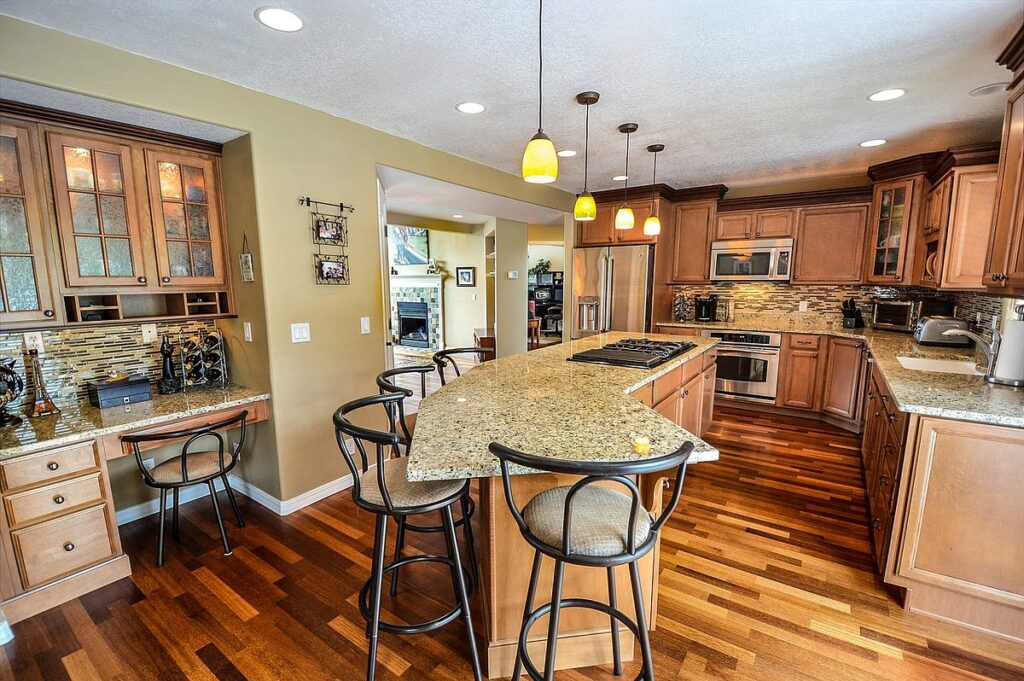
Home remodeling is one of the most impactful ways to enhance comfort, functionality, and beauty within a living space. It allows homeowners to adapt their surroundings to meet changing needs, improve energy efficiency, and increase property value. Unlike minor upgrades or cosmetic changes, remodeling involves thoughtful planning, design integration, and professional craftsmanship to create cohesive, long-lasting results. Whether your goal is to modernize interiors, expand usable space, or refresh outdated designs, the process of home remodeling offers endless possibilities for transformation.
Understanding the Purpose and Value of Home Remodeling
Every home tells a story. Over time, families grow, lifestyles change, and design trends evolve, making certain areas of the house feel outdated or inefficient. Home remodeling provides the opportunity to reimagine these spaces, blending style with practicality. More than just improving visual appeal, remodeling addresses functionality issues, structural integrity, and even energy performance.
A well-executed remodel can significantly boost property value. Modern buyers are drawn to upgraded kitchens, contemporary bathrooms, and open-concept layouts. Even smaller improvements—like enhanced lighting, better storage solutions, and durable flooring—can dramatically increase a home’s appeal and usability. In this sense, remodeling isn’t just a cost; it’s a strategic investment that pays dividends in both comfort and long-term value.
Planning a Successful Remodeling Project
The key to any successful home remodeling project lies in detailed planning. Without clear objectives and structure, even the best ideas can lead to delays, cost overruns, or unsatisfactory results.
1. Identify Goals and Priorities
Begin by defining your primary objectives. Are you remodeling for comfort, functionality, style, or resale value? Each goal requires a different approach. For instance, those remodeling for family use may prioritize durable materials and efficient layouts, while those remodeling for resale may focus on broad appeal and timeless designs.
2. Set a Realistic Budget
Budgeting forms the foundation of your project. It’s essential to establish a financial range that includes materials, labor, permits, and contingency funds for unexpected costs. Transparency with contractors and designers ensures realistic expectations and minimizes financial stress during construction.
3. Choose Reliable Professionals
Selecting qualified professionals—such as architects, designers, and contractors—can make or break a remodeling project. Experienced teams provide valuable insights, technical expertise, and design suggestions that align with your budget and timeline. Always check portfolios, references, and credentials before hiring.
4. Establish a Clear Timeline
Remodeling projects can vary widely in duration depending on size and complexity. Establishing a timeline with defined milestones ensures accountability and progress tracking. Allowing flexibility for unexpected delays, such as weather or material shortages, prevents frustration and rushed decisions.
Key Areas for Home Remodeling
Remodeling projects can range from single-room renovations to comprehensive whole-house transformations. Each area serves a unique function, and understanding its role helps in prioritizing improvements effectively.
Kitchen Remodeling
The kitchen remains the most popular focus for remodeling due to its central role in family life. Updating cabinetry, countertops, flooring, and lighting can dramatically transform the space. Modern kitchen remodels often emphasize open layouts, multifunctional islands, and smart appliances that enhance both convenience and aesthetic appeal.
Bathroom Remodeling
Bathrooms are another high-impact area for upgrades. From new tiles and fixtures to improved ventilation and storage, remodeling can transform outdated bathrooms into spa-like retreats. Incorporating energy-efficient lighting, low-flow fixtures, and moisture-resistant materials ensures both style and sustainability.
Living Room and Common Areas
Common areas set the tone for the home’s overall atmosphere. Remodeling these spaces may involve enhancing natural light, upgrading flooring, installing built-in storage, or adding design accents such as fireplaces or feature walls. A cohesive design across shared spaces ensures visual harmony and a welcoming environment.
Bedrooms and Personal Spaces
Bedrooms benefit from remodeling that prioritizes comfort and relaxation. Improvements may include new flooring, enhanced lighting, expanded closet space, or even soundproofing for privacy. Attention to design details such as color palettes, textures, and materials can create a serene and personalized retreat.
Basements and Attics
Converting unused basements or attics into functional living areas adds valuable square footage. These spaces can be remodeled into home offices, entertainment rooms, or guest suites. Proper insulation, ventilation, and moisture control are essential to ensure comfort and longevity in these areas.
Exterior Remodeling
Curb appeal plays a vital role in how a home is perceived. Exterior remodeling may include new siding, roofing, windows, and doors. Landscaping enhancements, lighting upgrades, and entryway improvements contribute to a refreshed, polished look that complements the home’s interior.
Design and Material Considerations
Choosing the right materials and design elements is central to creating a cohesive and lasting remodel. Quality materials not only enhance aesthetics but also ensure durability and ease of maintenance.
- Flooring: Popular choices include hardwood, vinyl plank, ceramic tile, and engineered options. Durability, water resistance, and comfort should guide your selection based on room type.
- Countertops: Quartz, granite, and solid-surface materials offer durability and timeless appeal. Each option varies in maintenance needs and cost.
- Cabinetry: Custom or semi-custom cabinets can optimize storage while adding design value. Choose finishes that harmonize with other interior elements.
- Lighting: Layered lighting—combining ambient, task, and accent lighting—improves functionality and atmosphere throughout the home.
- Color Palette: Neutral tones with accent colors provide flexibility and timelessness. Carefully selected colors can make rooms appear larger, cozier, or more sophisticated.
Managing the Remodeling Process
Once planning and design are finalized, execution begins. Effective communication and oversight are essential throughout the process.
- Regular Progress Updates: Maintain consistent communication with your contractor to ensure timelines and quality standards are being met.
- Site Organization: Keeping work areas clean and organized promotes safety and efficiency.
- Quality Control: Inspect each phase of work carefully. Addressing small issues early prevents major complications later.
- Flexibility: Even with careful planning, unforeseen challenges may arise. Being adaptable ensures smoother progress and better results.
Maintenance After Remodeling
Completing a remodel doesn’t end the homeowner’s responsibility. Ongoing maintenance is key to preserving your investment.
- Regular Cleaning and Inspections: Keep surfaces, fixtures, and finishes clean and inspect for any early signs of wear or damage.
- Seasonal Maintenance: Check roofing, gutters, and seals to prevent leaks or structural issues.
- Appliance and System Upkeep: Schedule regular servicing for HVAC systems, plumbing, and electrical components to maintain performance.
- Touch-Ups: Minor paint or caulk touch-ups maintain a fresh appearance and prevent long-term deterioration.
Benefits of Investing in Home Remodeling
The advantages of remodeling extend far beyond visual improvements. Thoughtful remodeling enhances the way people live and interact within their spaces.
- Improved Functionality: Efficient layouts and thoughtful design improve convenience and usability.
- Enhanced Aesthetics: Updated materials and modern styles create a space that reflects personal taste and current trends.
- Energy Efficiency: Upgraded insulation, appliances, and windows reduce utility bills and environmental impact.
- Increased Property Value: Quality remodeling raises the home’s resale potential, appealing to future buyers.
- Comfort and Livability: Refreshed interiors improve comfort, reduce clutter, and support a better quality of life.
The Role of Professional Expertise
While DIY projects can be satisfying, complex remodeling tasks often require professional oversight. Skilled designers and contractors bring technical knowledge and craftsmanship that ensure quality results. Professionals can also navigate building codes, obtain necessary permits, and provide warranties on work and materials.
Conclusion
Home remodeling is both an art and a science—a balance of creativity, functionality, and strategic planning. When done thoughtfully, it enhances not just the physical environment but also the quality of life for those who live within it. From conceptual design to final inspection, each stage contributes to creating a cohesive, comfortable, and efficient home. Whether the goal is modernization, expansion, or aesthetic improvement, home remodeling offers an opportunity to reimagine spaces that truly reflect individuality and purpose. With the right planning, materials, and professional guidance, homeowners can transform their property into a place that stands the test of time, beautiful, functional, and uniquely their own.