Fire Warden Essentials: The Key to Effective Emergency Response Training
In any workplace, the difference between a well-managed emergency and a chaotic one often comes down to preparation. At the core of that preparation is the fire warden—a trained team member responsible for implementing safety procedures, guiding evacuations, and supporting emergency services. Understanding the importance of this role and how it ties into broader emergency preparedness is vital for businesses of all sizes.
What Is a Fire Warden?
A fire warden is typically an employee who has undergone specific training to manage and coordinate emergency responses, particularly in fire-related situations. Their duties include identifying potential hazards, initiating evacuations, performing headcounts, and ensuring that emergency exits are accessible and unobstructed. While they may not be emergency responders themselves, their swift and informed actions can save lives.
Fire wardens are also responsible for routine checks of fire extinguishers, alarms, sprinklers, and other equipment, helping businesses stay compliant with fire safety regulations. Their role isn’t just about responding when something goes wrong; it’s about proactively reducing risks and ensuring everyone in the building knows what to do before a crisis hits.
Why Every Workplace Needs a Fire Warden
Regardless of size or industry, every workplace must have a fire safety plan. But a plan is only as good as the people who execute it. Having trained fire wardens ensures that there are calm, knowledgeable individuals ready to lead during an emergency.
For example, in a multi-floor office building, one warden might be assigned to each floor to oversee evacuation and account for all occupants. In warehouses or industrial sites, wardens may also assist with safely shutting down equipment and securing flammable materials.
Beyond fire emergencies, fire wardens are often trained in broader safety protocols. This positions them to be first responders for other incidents, such as chemical spills, natural disasters, or medical emergencies, providing additional value to the company.
The Importance of Emergency Response Training
To be truly effective, fire wardens must undergo formal emergency response training. This training is tailored to their specific environment and teaches skills such as:
- Evacuation coordination
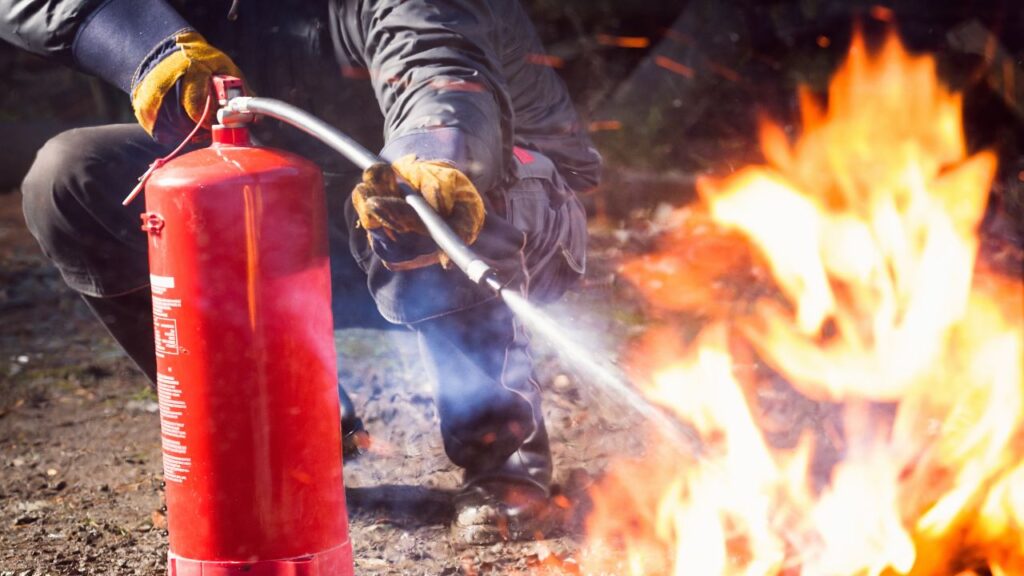
- Fire extinguisher use
- Communication techniques under pressure
- Risk identification and hazard mitigation
- Supporting persons with disabilities during emergencies
Emergency response training helps businesses prepare for a wide range of scenarios, not just fires. Earthquakes, electrical failures, and even active threats require quick, strategic decisions. With training, fire wardens are equipped to guide others calmly and correctly, improving safety outcomes across the board.
How Fire Warden Training Works
Quality training providers offer both theoretical and practical components. Theoretical sessions cover legislation, risk assessment, and emergency planning. Practical sessions involve simulated evacuations, using fire equipment, and drills designed to test response times and communication effectiveness.
Ongoing refresher courses are recommended to keep skills sharp and ensure wardens stay up-to-date with new regulations and technologies.
Benefits for Businesses
Investing in fire warden and emergency response training brings a range of benefits:
- Compliance: Meet occupational health and safety regulations.
- Reduced Liability: Demonstrating proper training can protect a business legally.
- Increased Confidence: Employees feel safer knowing trained individuals are onsite.
- Faster Response: Critical actions are taken in the first minutes of an emergency.
- Improved Culture: Reinforces a workplace culture that values safety and accountability.
Integrating Fire Warden Duties into Your Safety Plan
Assigning fire wardens is just the beginning. Businesses should also:
- Clearly mark evacuation routes and assembly points
- Regularly test alarms and fire suppression systems
- Run scheduled evacuation drills at least twice per year
- Include fire wardens in all emergency planning meetings
- Post emergency contact numbers and responsibilities prominently
Making fire safety visible and actionable helps ensure everyone takes it seriously. A coordinated plan with strong leadership will always outperform improvised efforts in a real emergency.
A Final Word
While emergencies are unpredictable, your response doesn’t have to be. By assigning trained fire wardens and ensuring they undergo regular emergency response training, you’re building a first line of defense that’s competent, calm, and capable.
For Australian workplaces, providers like First 5 Minutes offer dedicated programs tailored to various industries and building types. A single investment in preparedness can protect lives, assets, and your business’s future.