Top 5 Essential First Aid & CPR Practices in Incident Reporting for Construction Workers
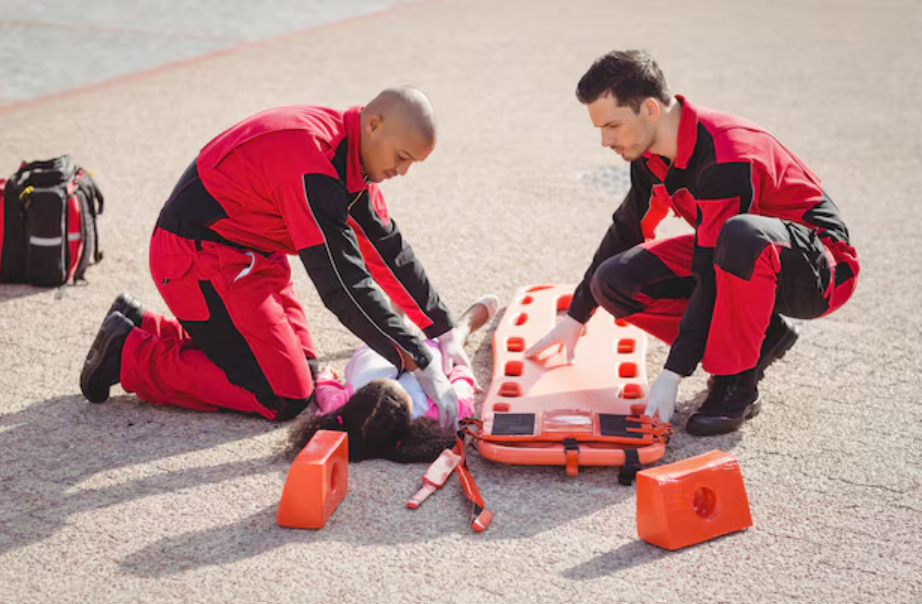
Incidents are inevitable in the fast-paced world of construction, and teams need to be equipped to manage them successfully. The prognosis for the workers involved can be significantly impacted by proper first aid and CPR procedures, regardless of the severity of the accident. Completing CPR and First Aid training gives construction crews the knowledge and assurance they need to react quickly to crises, protecting lives and promoting recovery. In order to keep construction sites safe and emergency-responsive, this article explores the top five incident reporting procedures.
Understanding the importance of immediate responses
Construction sites are riddled with potential hazards; heavy machinery, high places, and hazardous materials abound. When an accident occurs, the first few moments are crucial. An immediate response not only aids in stabilizing the injured person but also sets the stage for accurate incident reporting.
The Role of a First Responder
Just like in any emergency, a construction site needs designated first responders. These individuals are trained to:
- Assess the situation quickly and efficiently, determining the level of risk involved.
- Administer essential first aid, such as stopping bleeding, stabilizing fractures, or performing CPR if necessary.
- Communicate details clearly to emergency medical services (EMS) and site managers.
- Ensure the injured individual is safe and secure by moving them only if the surrounding environment poses additional risks, such as falling debris or hazardous materials.
- Document the incident thoroughly, noting key details about the event and actions taken, which can aid in post-incident analysis and future prevention measures.
Prompt action from a prepared first responder can save lives and reduce the severity of injuries. Furthermore, accurate initial assessments help create a reliable incident report, which is vital for future safety measures.
Essential First Aid Techniques
Administering first aid on a construction site involves a basic but comprehensive understanding of several key techniques. Being well-versed in these methods ensures workers’ well-being while on the job. By properly managing these simple techniques, workers can prevent complications that might arise from treated injuries.
Managing Cuts and Wounds
Cuts and abrasions are common on construction sites due to frequent interaction with sharp tools and materials. Workers should be proficient in:
- Cleaning the wound properly to prevent infection.
- Applying sterile dressings and bandages to cover the wound.
- Recognizing signs of infection to report to a medical professional if necessary.
Effective CPR Practices
Cardiopulmonary resuscitation (CPR) is a lifesaving technique used in emergencies where someone’s breathing or heartbeat has stopped. Knowing how to perform CPR effectively is critical on construction sites. By ensuring that all workers on-site are trained in CPR, construction teams can greatly increase the chances of saving a life during a critical moment.
Steps for Performing CPR
Knowing the correct protocol for CPR is essential:
- Check the scene for safety to ensure you’re not putting yourself in danger while helping another.
- Determine if the person needs CPR by seeing if they can respond or are breathing.
- If unresponsive, start chest compressions at a depth of approximately two inches at a rate of 100-120 compressions per minute.
- Provide rescue breaths if trained, following the cycle of 30 chest compressions and two rescue breaths.
The Significance of Incident Reporting
Incident reporting is an integral part of workplace safety protocols. It not only aids in identifying patterns that could lead to accidents but also forms the basis for implementing improved safety measures. A well-crafted incident report helps prevent future occurrences by identifying risk factors and fosters a culture of safety and accountability within the construction environment.
Crafting an Effective Incident Report
An incident report should be thorough, capturing all relevant details of the event. Key components include:
- The date, time, and location of the incident.
- Detailed accounts of what occurred, witnessed by all involved parties.
- Specific actions taken following the incident, including medical aids administered.
- Any relevant photos or videos documenting the situation.
Training and Preparation
Regular training sessions are vital for ensuring all construction workers are prepared to handle emergencies. Organizations like First Aid Training Adelaide CBD in Australia provide resources and guidelines for training programs tailored for high-risk industries like construction. These sessions should be mandatory and include:
- Updated first aid and CPR courses to refresh and refine essential skills.
- Simulated emergency drills to reinforce quick, life-saving responses.
- Debriefing and feedback sessions to address any gaps in knowledge or protocol.
- Hazard recognition training to help workers identify and mitigate risks before accidents occur.
- Tailored instruction on using industry-specific safety equipment, such as harnesses or scaffolding, in emergency situations.
Conclusion: A Culture of Preparedness
In conclusion, by implementing comprehensive first aid and CPR practices and maintaining detailed incident reporting, construction companies can create safer environments. These practices not only mitigate the immediate effects of accidents but also improve long-term workplace safety through better-prepared teams and informed policy adjustments.
Finally, fostering a safety-first culture isn’t just about adhering to regulations, it’s a commitment to ensuring every team member goes home safe at the end of the day. By embracing these strategies, construction sites can keep safety at the forefront of their operations, thus protecting their most valuable asset, their people.