Dealing with Electrical Buzzing Sounds in Your Home
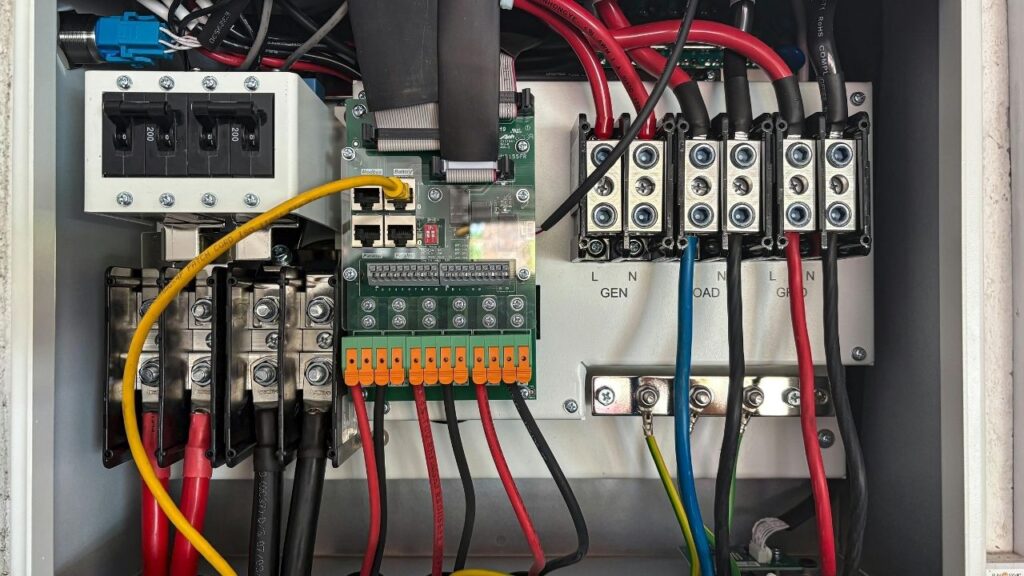
That persistent buzzing sound coming from your walls or electrical fixtures can be more than just annoying—it could signal a serious electrical issue. Many homeowners dismiss these sounds as normal, but understanding when electrical buzzing indicates danger is crucial for your family’s safety.
Electrical buzzing sounds occur when electrical components vibrate due to loose connections, overloaded circuits, or faulty equipment. While some minor buzzing might be normal in certain situations, persistent or loud buzzing often requires immediate attention from a qualified electrician in Adelaide.
Common Causes of Electrical Buzzing
Loose Electrical Connections
Loose wire connections create electrical arcing, which produces that characteristic buzzing sound. This commonly happens in outlet boxes, switch panels, or junction boxes where wires have worked themselves loose over time.
Overloaded Circuits
When circuits carry more electrical load than they’re designed for, components can vibrate and buzz. This often occurs in older homes where electrical systems haven’t been updated to handle modern appliances.
Faulty Light Fixtures
Fluorescent lights naturally produce some buzzing, but excessive noise indicates failing ballasts or incompatible dimmer switches. LED lights can also buzz when paired with incompatible dimmers.
Electrical Panel Issues
Buzzing from your main electrical panel is particularly concerning. Loose breakers, damaged bus bars, or overheated components can create dangerous conditions requiring immediate professional attention.
Safety First: Essential Precautions
Never ignore electrical buzzing sounds, especially if they’re accompanied by burning smells, flickering lights, or warm outlet covers. These warning signs indicate potential fire hazards that require immediate action.
Before investigating any electrical issue, turn off power at the circuit breaker. However, if buzzing comes from your main electrical panel, avoid touching anything and contact iElectrical immediately. Licensed electricians have the proper tools and expertise to safely diagnose electrical problems.
Simple DIY Solutions
Check Light Bulbs and Fixtures
Sometimes buzzing comes from loose light bulbs or incompatible dimmer switches. Try tightening bulbs or replacing them with different types. If you’re using LED bulbs with older dimmer switches, upgrading to LED-compatible dimmers often eliminates buzzing.
Inspect Visible Connections
With power turned off, check visible electrical connections for looseness. Tighten any loose wire nuts or terminal screws, but only if you’re comfortable working with electrical components.
Reduce Circuit Load
If buzzing occurs when multiple appliances run simultaneously, try redistributing electrical loads across different circuits. Unplug unnecessary devices to see if buzzing subsides.
When to Call an Electrician
Certain situations always require professional electrical services. Contact an experienced electrician in Adelaide immediately if you notice buzzing from electrical panels, outlets producing buzzing sounds, or any electrical noise accompanied by burning odors.
iElectrical‘s certified technicians can safely diagnose complex electrical issues using specialized equipment. Professional electricians can identify problems that aren’t visible to homeowners, such as deteriorating wiring inside walls or failing electrical components.
Additionally, any electrical work involving main panels, new circuits, or rewiring requires professional installation to meet safety codes and local regulations.
Prevention Tips for Electrical Health
Regular electrical maintenance prevents many buzzing issues before they start. Schedule annual electrical inspections with qualified professionals to identify potential problems early.
Avoid overloading circuits by understanding your home’s electrical capacity. Distribute high-power appliances across multiple circuits, and consider upgrading your electrical panel if you frequently trip breakers.
When replacing fixtures or switches, choose quality components designed for your specific electrical setup. Cheap electrical components often fail prematurely and create safety hazards.
Keep electrical connections clean and tight. Corrosion and looseness develop gradually, so periodic inspection helps catch issues before they become dangerous.
Conclusion
Electrical buzzing sounds shouldn’t be ignored or dismissed as minor inconveniences. While some causes have simple solutions, others indicate serious safety hazards requiring immediate professional attention.
Remember that electrical work involves significant risks. When in doubt, contact iElectrical or another qualified electrician in Adelaide rather than attempting complex repairs yourself. Professional electrical services ensure your family’s safety while protecting your home’s electrical system.