Why You Should Never Ignore Flickering Lights
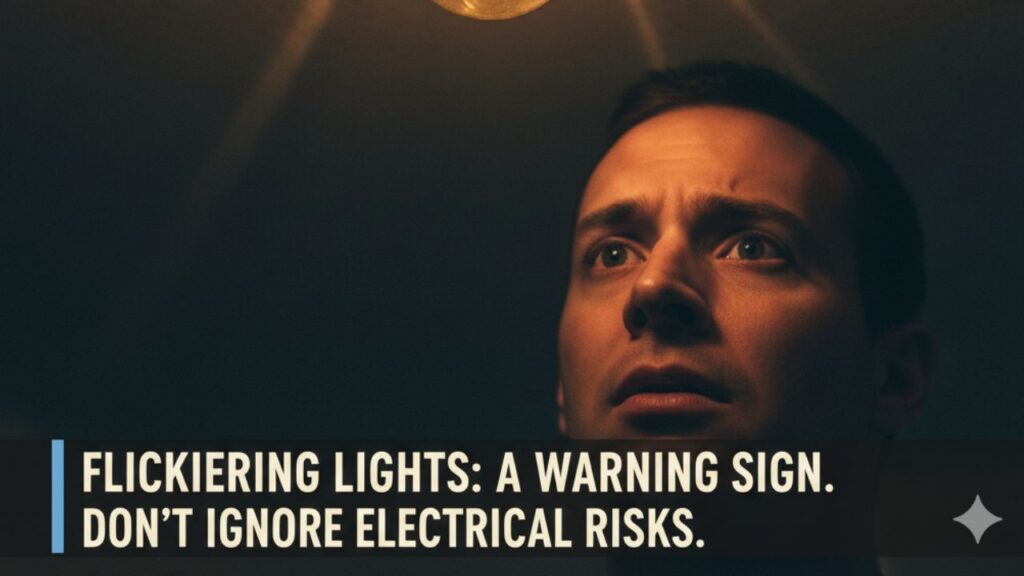
It’s a familiar moment. You finally sit down to relax after a long day—then the lamp flickers. You wait. It happens again. Most people assume it’s just an old bulb or a minor glitch, but that subtle blinking can be your home’s way of warning you about an electrical problem hidden behind the walls.
While flickering may seem harmless, ignoring it can increase the risk of electrical fires and damage to expensive appliances. If the issue is persistent or affects more than one light, it’s safest to contact a qualified electrician in Adelaide rather than guessing. Electrical systems are complex, and what looks small on the surface can sometimes point to a serious fault.
What Causes Lights to Flicker?
Not every flicker means disaster—but it’s not always easy to tell what’s minor and what’s dangerous. Common causes include:
Loose Bulb or Poor Contact
Sometimes the issue is simple: a bulb that isn’t screwed in properly or a worn fitting that isn’t making consistent contact.
Incompatible Dimmers and LEDs
If you’ve upgraded to LED bulbs but kept an older dimmer switch, flickering is common. Many older dimmers aren’t designed for low-watt LED technology and can create unstable output.
Overloaded Circuits
If your lights flicker when the fridge cycles on or when the washing machine starts, your circuit may be struggling to supply enough power. This can indicate an overloaded circuit or an imbalance that needs attention.
Loose Wiring or Connections
This is one of the most concerning causes. Loose connections create resistance and heat, which can lead to arcing—an electrical hazard that increases fire risk.
The Hidden Dangers Behind the Blink
The main reason you should never ignore flickering lights is safety. Loose connections and overloaded circuits can overheat and become fire hazards. Electrical arcing can generate extreme heat and may ignite surrounding materials inside walls or ceiling cavities.
There’s also the financial side: unstable voltage can shorten the lifespan of your electronics. TVs, computers, and modern appliances require a steady supply of power. Repeated fluctuations can gradually damage internal components. The team at iElectrical often sees situations where homeowners delayed action and ended up needing both electrical repairs and replacement appliances.
What You Can Check Safely (and What You Shouldn’t)
There are a couple of safe steps you can take before calling a professional:
- make sure the bulb is screwed in firmly
- replace the bulb to rule out a faulty globe
- if it’s a lamp, try a different outlet
But if the new bulb still flickers—or if multiple lights flicker across rooms—you’ve reached the limit of safe DIY troubleshooting. Do not open your switchboard or attempt to inspect wiring yourself. At that point, it’s time for iElectrical to diagnose the issue properly and safely.
Why a Professional Assessment Matters
Electricity isn’t something to “trial and error.” A licensed electrician in Adelaide has the tools and training to identify the exact cause—whether it’s a failing connection, a switch issue, a circuit overload, or a problem at the main panel.
Professionals also ensure repairs meet safety standards and won’t become a repeat problem later. When you use experts like iElectrical, you get a correct fix—rather than a temporary patch that could fail again.
How to Prevent Flickering Issues in the Future
Electrical systems age over time. Heat cycles, vibration, and normal wear can loosen connections and degrade components.
To reduce future problems:
- avoid overloading power boards or daisy-chaining extension leads
- spread high-watt appliances across different circuits where possible
- consider periodic electrical safety inspections, especially in older homes
A proactive inspection from iElectrical can catch small faults early—before they turn into outages or hazards.
Conclusion
A flickering light is rarely “just a flickering light.” It can be an early warning sign of loose wiring, overloaded circuits, or voltage instability—issues that can lead to fire risks and appliance damage if ignored.
If you’re noticing repeated flickering in your home, don’t wait for it to get worse. Contact a trusted electrician in Adelaide and have it inspected properly. iElectrical can diagnose the issue safely and help restore stable, safe power to your home.