How Furniture Color Choices Can Influence Room Temperature Perception
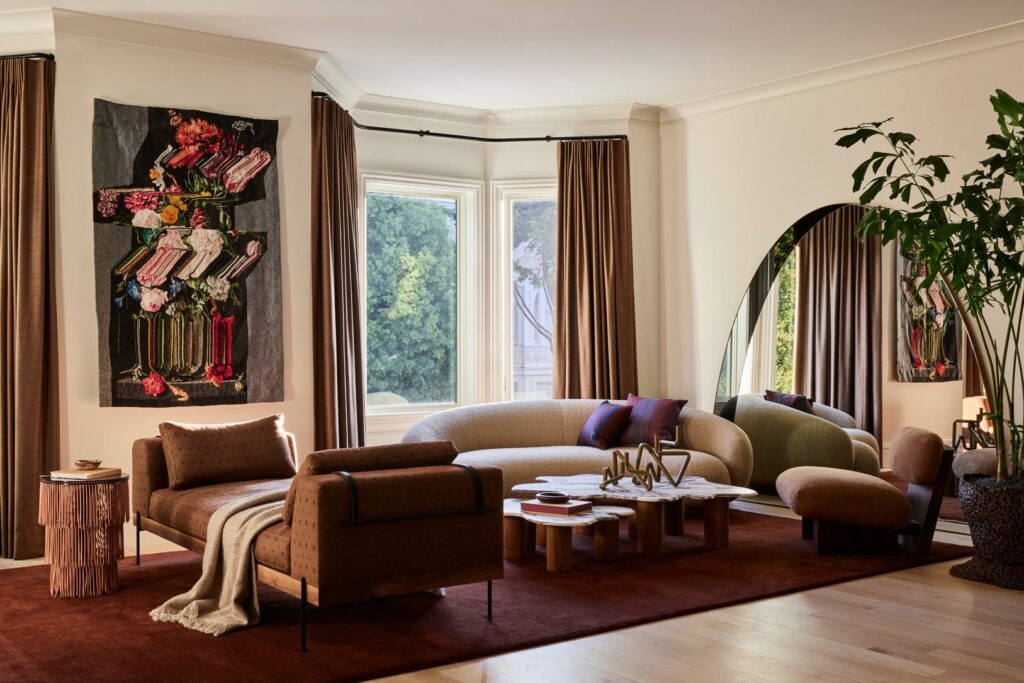
When designing a space, most people focus on layout, size, and style, but few consider how furniture color choices can influence the way a room feels in terms of temperature. While the thermostat might read the same, the hues surrounding you can make a space feel cooler or warmer simply through perception. This is an important consideration not just for interior designers but also for homeowners who want to create a balanced, comfortable environment.
In this article, we’ll explore the psychology of color, how it interacts with light, and practical ways to choose furniture colors that enhance your living space. Whether you’re redecorating or shopping at RC Willey, understanding these principles can make your home feel more inviting year-round.
The Science Behind Color and Temperature Perception
Color psychology has long been studied for its impact on emotions and moods, but it also plays a key role in how we perceive temperature. Warm colors such as red, orange, and yellow are associated with warmth, fire, and sunlight, often making rooms feel cozier or more energetic. Cool colors such as blue, green, and violet tend to be linked with water and sky, which give off a refreshing, calming sensation.
When applied to furniture, these tones can alter how comfortable you feel in a space. For example, a sofa in a deep navy blue may psychologically cool down a room during the summer, while a rust-colored armchair can add a feeling of warmth in the winter. This doesn’t change the actual room temperature, but it does change how your brain interprets it.
How Light Interacts with Furniture Colors
Another crucial factor is lighting. The same furniture color can look and feel different depending on the amount and type of light in the room.
- Natural Light: Sunlight enhances the true vibrancy of colors. A beige sofa might feel bright and airy in a sunlit room but may appear muted in a darker corner.
- Warm Lighting: Incandescent or warm LED bulbs highlight reds, yellows, and browns, making them feel even warmer.
- Cool Lighting: Fluorescent or cool LED bulbs amplify blues and greens, reinforcing a cooler ambiance.
Understanding how your furniture colors will interact with lighting helps ensure your choices support the atmosphere you want to create.
Warm Tones: Adding Coziness and Intimacy
Warm-toned furniture can make large or sparsely decorated rooms feel more intimate. A chestnut dining table, for instance, creates an inviting space for gatherings, while a terracotta loveseat can make a living room feel snug.
Warm colors are excellent for:
- Open floor plans where you want to create smaller, cozier zones.
- North-facing rooms that lack natural sunlight and feel cooler.
- Entertainment spaces where energy and vibrancy are desirable.
However, too much warmth can feel overwhelming. The key is balance—pairing a burnt-orange armchair with a neutral rug or soft cream walls prevents overstimulation.
Cool Tones: Bringing Calm and Freshness
On the other side, cool-toned furniture can refresh a space and give the impression of lightness. A pale blue sectional sofa, for example, makes a room feel breezy, while a sage-green accent chair can bring in an earthy sense of calm.
Cool colors work well for:
- South-facing rooms that get abundant natural light and might feel hot.
- Bedrooms where relaxation and calm are a priority.
- Minimalist spaces that benefit from a clean, refreshing aesthetic.
Too much coolness, however, can sometimes feel sterile. That’s why designers often combine cool furniture with natural textures like wood or woven fabrics to soften the effect.
Neutral Tones: Balancing Warmth and Coolness
Neutral colors such as gray, beige, ivory, and taupe are versatile because they adapt to different lighting and design schemes. They don’t heavily push the perception of temperature one way or the other but provide balance.
For instance:
- A gray sectional can appear cool in daylight but warmer when paired with amber lighting in the evening.
- A cream sofa brings brightness without feeling stark or overly warm.
Neutrals are also timeless, making them a practical investment for home furniture that can evolve with seasonal décor.
Seasonal Design Strategies
One of the advantages of understanding color perception is being able to adapt your home throughout the year. Here are some seasonal strategies:
- Summer: Incorporate furniture in lighter, cooler tones like pale blues, seafoam greens, and soft grays. Pair them with breezy fabrics like linen for an even cooler feel.
- Winter: Bring in warmth through rich, deep furniture colors like burgundy, chocolate brown, or mustard yellow. Add plush textures such as velvet or wool to enhance the cozy effect.
- Transitional Seasons: Spring and fall are perfect times to blend warm and cool tones, creating a balanced environment that adjusts with fluctuating temperatures.
Practical Tips for Choosing Furniture Colors
- Consider the room’s natural orientation – North-facing rooms benefit from warm colors, while south-facing rooms often look and feel better with cooler tones.
- Think about your lighting – Choose furniture that complements the type of artificial lighting in your home.
- Mix textures with color – A cool-colored chair upholstered in velvet will feel warmer than one in smooth leather.
- Start with one focal piece – If you’re unsure, begin with a main item like a sofa, then build your color scheme around it.
- Test with accents first – Incorporate smaller furniture or décor pieces in new colors before committing to larger, more permanent investments.
Why Color-Conscious Choices Matter
The way your home feels isn’t just about temperature—it’s about comfort, mood, and overall atmosphere. By selecting furniture colors intentionally, you can enhance your well-being and create spaces that work harmoniously throughout the year.
Brands like RC Willey offer a wide selection of pieces in varying tones, giving homeowners the flexibility to design rooms that not only look stylish but also feel just right no matter the season.
Final Thoughts
Furniture color may seem like a small detail, but it has a powerful effect on how we perceive our surroundings. By choosing warm tones for coziness, cool tones for freshness, or neutrals for balance, you can influence whether a room feels inviting or refreshing. The interplay of color and light makes every choice matter.
As you select your next sofa, dining table, or accent chair, remember that the right shade doesn’t just complement your décor—it transforms the entire experience of the space. With thoughtful planning, your furniture color choices can turn a house into a truly comfortable and dynamic home.