Understanding the Lifespan of Your Hot Water System
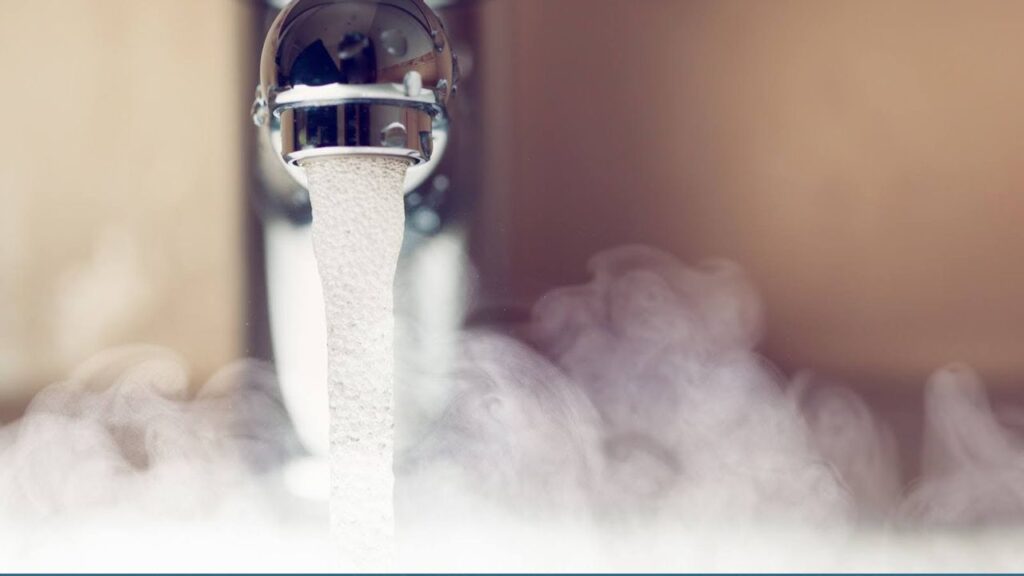
Hot water systems are the unsung heroes of modern homes, ensuring warm showers, clean dishes, and comfortable living conditions. Their promise of instant warmth makes daily routines smooth and enjoyable. However, beyond comfort, there’s an economic and environmental angle to the hot water conversation. Efficient usage and timely maintenance of these systems can significantly reduce energy bills and carbon footprints. But what about the lifespan of a hot water system? Understanding this is crucial for efficient home management. Therefore, exploring the factors influencing their longevity and sharing maintenance tips is imperative for homeowners.
Types of Hot Water Systems and Their Average Lifespans
Hot water systems come in various types, each with its unique features and expected lifespans. Storage tank water heaters, probably the most common, typically last around 8 to 12 years. They work by storing and heating water in a tank, ensuring hot water is available on demand. Their counterpart, the tankless water heater, can last up to 20 years due to its on-demand heating process, which reduces wear and tear.
Heat pumps are an energy-efficient option, with an average lifespan of 10 to 15 years. They work by transferring heat rather than generating it directly. Solar hot water systems, capitalising on renewable energy, also have a lifespan of about 15 to 20 years, though their performance can depend heavily on the climate.
Technological advancements continue to impact these systems. For instance, improved insulation in storage tanks enhances efficiency and reduces energy waste, potentially extending their lifespan. Moreover, smart technology integrations in newer models allow for better energy management and system health monitoring.
Factors Impacting the Lifespan of Hot Water Systems
Several factors influence how long a hot water system will last. Water quality is a primary consideration – hard water, rich in minerals, can cause scale build-up inside tanks and pipes, leading to premature wear. Using water softeners or regular maintenance can mitigate these negative effects.
Speaking of maintenance, routine checks and servicing can significantly prolong a system’s life. Regular inspections can spot minor issues before they escalate into costly repairs or replacements. The quality of installation and setup also plays a pivotal role. A poorly installed system is more likely to develop problems, whereas professional installation ensures optimal performance from the get-go.
Environmental conditions, including regional climate, can also be influential. Systems exposed to colder conditions often work harder, potentially reducing their lifespan, whereas moderate climates may offer more benign operating conditions.
Signs That Your Hot Water System Might Be Failing
Nobody wants to be caught off guard by a failing hot water system. However, recognising early warning signs can save significant stress and expense. Inconsistent water temperatures or an inability to maintain heat is a common red flag. Similarly, strange noises, such as rumbling or popping sounds from the tank, may indicate sediment build-up or failing components.
Visibly noticeable symptoms include leaks or rust around the tank. These suggest internal corrosion or structural damage that should be addressed promptly. Reduced system efficiency often translates to bloated energy bills, drawing attention to the need for a professional assessment.
Ignoring these signs might seem tempting, especially if the system still works in a rudimentary way. However, procrastination can exacerbate problems, leading to more severe damage or complete system failure.
How to Extend the Lifespan of Your Hot Water System
Fortunately, there are steps homeowners can take to ensure their hot water systems last as long as possible. Regular maintenance routines, such as sediment flushing for storage tank systems, can prevent excessive wear. Similarly, checking pressure relief valves and examining components for corrosion helps maintain peak operational performance.
Energy-efficient practices not only reduce environmental impact but also minimise strain on the system. Lowering the heater’s thermostat can prevent overheating, while using less hot water conserves energy and reduces system fatigue.
Moreover, regular professional inspections provide a comprehensive insight into the system’s health. Professionals can identify potential problems early and offer guidance on necessary repairs. Consider replacing deteriorating parts to extend system life and prevent total failure.
When to Consider Replacing Your Hot Water System
At some point, the decision between repairing and replacing a hot water system will arise. Economically, frequent repairs may outweigh the cost of a new unit. Suppose the system is reaching or exceeding its expected lifespan or needs constant repairs. In that case, it might be prudent to check the price of a replacement system and consider the benefits of a newer, more efficient model.
New systems offer advancements such as improved energy efficiency, smart integrations, and advanced safety features, providing considerable long-term savings on utility bills. Additionally, many newer options are designed with environmental considerations, offering incentives for those committed to green living.
Conclusion
Understanding a hot water system’s lifespan is crucial for maintaining comfortable and cost-efficient home operations. Regular maintenance and timely intervention not only prolong system life but also enhance performance and reduce energy costs. A well-maintained hot water system is a boon for both home comfort and the family budget. Proactively monitoring the system and scheduling professional check-ups when needed can avoid a crisis. A little diligence goes a long way in maximising the benefits of your hot water system.