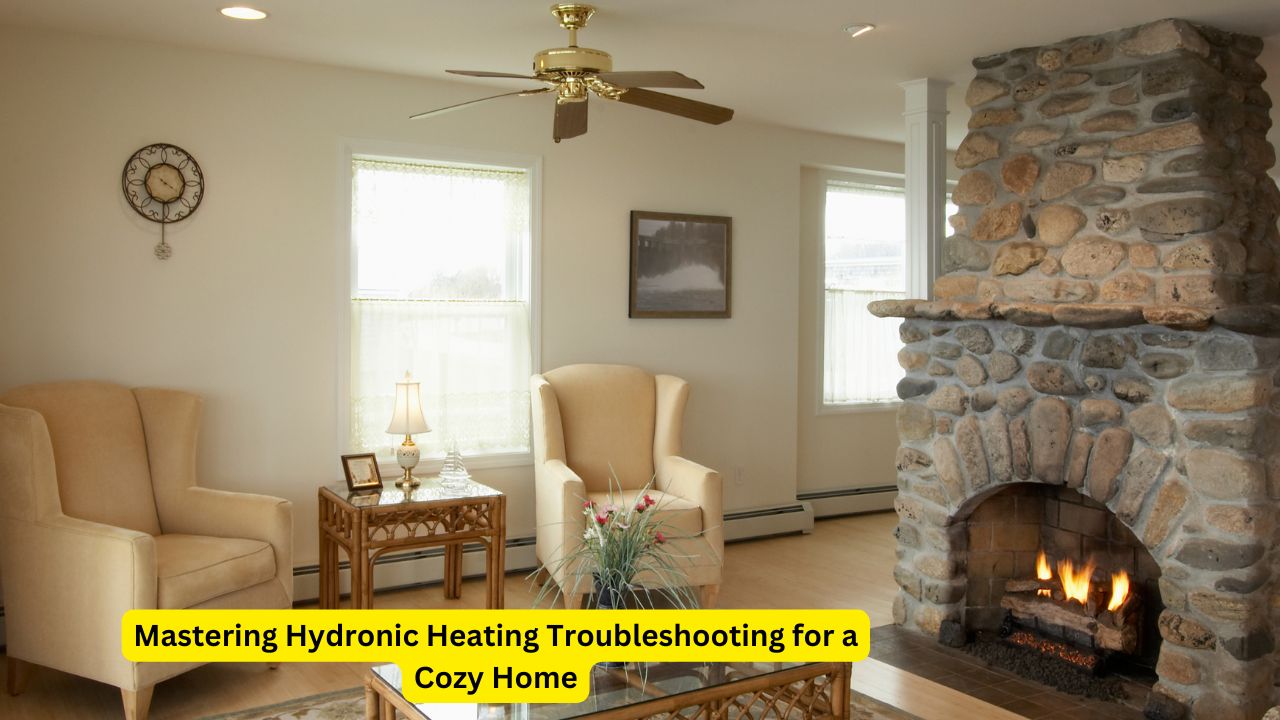
Mastering Hydronic Heating Troubleshooting for a Cozy Home
Introduction
Hydronic heating systems are loved for their efficiency and comfort, circulating hot water through a network of pipes to evenly warm your home. However, like all systems, they need regular care to operate at their best. Understanding how to troubleshoot common issues not only ensures a cozy living environment but also prolongs the life of your system. Let’s explore the essentials of hydronic heating troubleshooting, a valuable skill for homeowners, DIY enthusiasts, and HVAC professionals like Eckermann Plumbing.
Understanding Hydronic Heating Systems
A hydronic heating system is a method of heating that uses water as the heat-transfer medium, instead of air. It consists of a boiler, a network of pipes, and radiators or underfloor heating elements. The boiler heats the water, which is then circulated through the pipes to radiate warmth throughout your home. This system is praised for its ability to provide consistent, comfortable heating while being energy efficient.
Compared to traditional forced-air systems, hydronic heating offers several benefits. It operates quietly, reduces allergens by not blowing dust around, and maintains a more consistent temperature. Furthermore, hydronic systems are often more energy-efficient, potentially lowering heating costs over time. Understanding these advantages can help you appreciate why ensuring your hydronic system is in top condition is so vital.
Common Issues and Troubleshooting
Despite their efficiency, hydronic systems can encounter issues that affect their performance. A common problem is no heat or inadequate heating, which may be caused by a malfunctioning thermostat or air trapped in the system. Loud noises or banging sounds often indicate air within the pipes, requiring attention to avoid damage. Leaks and water pressure issues are also common, often resulting from faulty valves or connections.
Air can play a detrimental role in hydronic systems, causing noise and uneven heating. Bleeding the system to remove trapped air is a simple solution that can restore normal function. Regular monitoring and prompt troubleshooting of these issues can prevent them from escalating into more severe problems.
Step-by-Step Guide to DIY Troubleshooting
Addressing these common issues doesn’t always require a professional. Homeowners can undertake several troubleshooting steps safely. For no heat, check the thermostat settings and ensure the boiler is functioning properly. If you hear noises, locate the bleed valves on your radiators and carefully release any trapped air. To address leaks, inspect visible pipes and fittings for signs of water and tighten or replace components as necessary.
Safety is paramount when troubleshooting hydronic systems. Always turn off the power to the boiler before performing any repairs. Wear protective gear, and never attempt to fix complex issues without proper knowledge. Following these precautions ensures that your DIY efforts are both effective and safe.
When to Call a Professional
While many issues can be resolved with basic troubleshooting, certain signs indicate the need for professional intervention. Persistent issues with heating, unusual smells, or visible damage to the system warrant a call to an HVAC technician. Regular professional maintenance is crucial for identifying potential problems and ensuring the system’s longevity.
Eckermann Plumbing’s Expert Tips
At Eckermann Plumbing, we understand the intricacies of hydronic heating systems. Our experts suggest regular inspections to identify minor issues before they become major repairs. Keeping an eye on the water pressure and ensuring that pipes are properly insulated can prevent common problems. Personal experience shows that proactive maintenance is key to enjoying uninterrupted warmth.
For homeowners and DIY enthusiasts, Eckermann Plumbing recommends having a professional assess your system annually. This not only keeps your heating system efficient but also provides peace of mind knowing that experts are looking after your comfort.
Conclusion
Mastering hydronic heating troubleshooting is a valuable skill that enhances the comfort and efficiency of your home. Regular maintenance and prompt attention to issues ensure a cozy environment and extend the life of your system.