How Companies Are Reducing Outsourcing Costs with In-House Tensile Testing
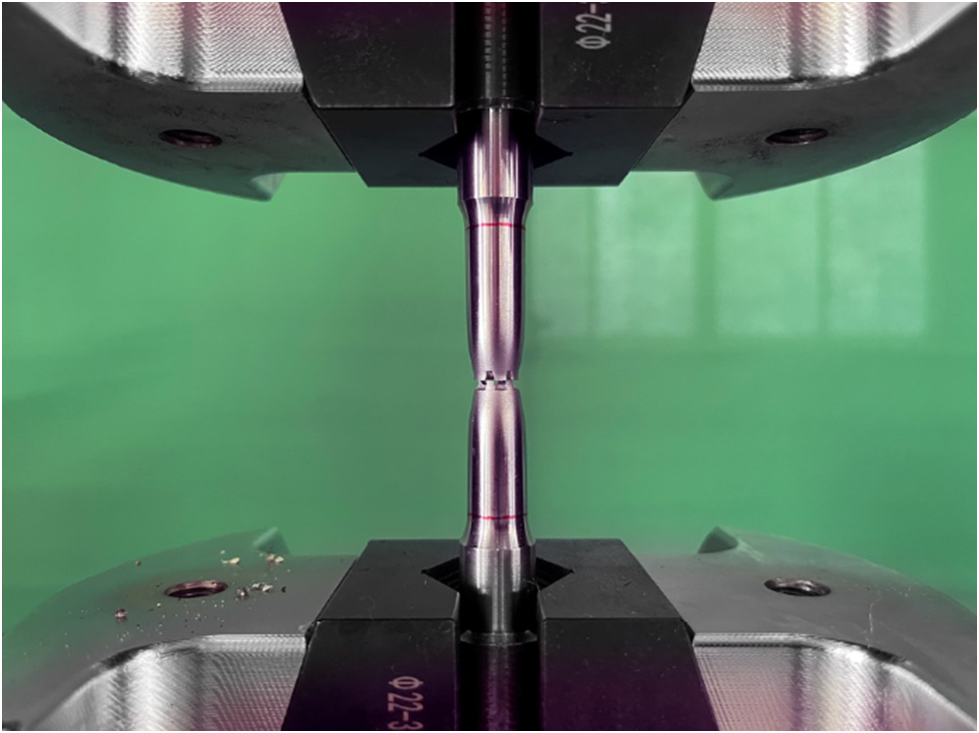
Outsourcing tensile testing often looks straightforward on paper. A company sends samples to an external laboratory, pays the invoice, and waits for the results. In reality, the bill rarely ends with the test itself. Fees for specimen preparation, handling, shipping, and customs clearance all add up. Delays in scheduling or processing push timelines back even further. What appears at first to be a predictable expense can quickly expand into a recurring strain on budgets.
These hidden costs do more than reduce profit margins. They erode flexibility. A project that must pause for test results loses momentum, and decision makers are forced to plan around the pace of outside providers. For industries working with tight deadlines, this lag can become a serious obstacle.
Companies are increasingly rethinking their approach to tensile testing. Instead of relying on external laboratories, many are turning to in-house solutions supported by special ROI calculators. This article explores the reasons behind this shift, the hidden costs of outsourcing, the financial advantages of internal testing, and how special ROI calculators help determine when in-house tensile testing becomes the more cost-effective option.
The Hidden Cost of Outsourcing Tensile Testing
External testing services advertise predictable fees, but the true expense is rarely that simple. The quoted price usually covers only the test itself. Preparing specimens can carry additional charges. Handling, packaging, and shipping create further expenses, while customs clearance adds another layer for international projects. By the time the results arrive, the original fee may have grown well beyond expectations.
Turnaround time compounds the challenge. Laboratories often operate on fixed schedules, meaning that even routine tests can take weeks. Production lines and development teams are left waiting, and projects lose momentum. In cases where samples are damaged in transit or results come back inconsistent, the process must be repeated, driving costs higher and extending delays.
Control over the process is also limited. Companies may have little say in how samples are prioritized or how raw data is handled. Confidentiality and chain of custody can become sensitive issues, especially when intellectual property is involved.
Industry sources report fees ranging from about $55 to $280 per sample, depending on material and complexity. For firms testing only a handful of specimens each year, outsourcing remains practical. But as volumes rise, the financial and logistical weight of external testing grows harder to ignore.
Why Some Firms Invest in In-House Testing
For companies that test frequently, outsourcing quickly becomes a recurring strain. An in-house laboratory shifts the model. Once the initial purchase is made, the cost per test begins to fall. Each additional sample spreads the fixed investment across a larger base, lowering the long-term average.
Speed is another advantage. With tensile testing equipment on site, test results can be generated in hours rather than weeks. That rapid turnaround allows engineers and quality teams to move forward without costly delays. Shorter product cycles and faster decision-making often translate into real savings beyond the test itself.
Control also improves. Internal teams can set their own priorities, run repeat trials when needed, and maintain direct oversight of data integrity. Intellectual property remains within the company’s walls, reducing concerns about confidentiality or outside handling of proprietary materials. Machines can also be calibrated to match internal requirements, producing results that stay consistent with company standards.
Entry-level tensile testing systems are available for a few thousand dollars, while more advanced configurations with automation, extensometers, and climate chambers require a larger commitment. This range allows firms to scale their investment according to volume and need.
The model is not without trade-offs. An in-house lab requires physical space, skilled staff, and regular calibration. Maintenance contracts, training, and in some cases formal accreditation add to the responsibility. Still, for organizations conducting regular testing, the long-term balance often favors keeping the work under their own roof.
How to Estimate Return and When In-House Makes Sense
Calculating the financial case for an internal laboratory begins with a clear view of current spending. The baseline includes the cost per outsourced test, which often ranges from modest fees for simple tensile pulls to several hundred dollars for more complex specimens. On top of that come charges for sample preparation, shipping, and the indirect cost of waiting. Each week a project sits idle adds to opportunity losses that do not appear on an invoice but affect the bottom line.
Return on investment is calculated as the difference between gains and costs, divided by the total cost. In this context, the “gain” is the difference between what would have been spent on outsourcing and what it costs to run the same tests in-house. The “cost” is the price of equipment, staff, calibration, and upkeep.
A break-even analysis often reveals the turning point. Industry sources suggest that for some firms, the numbers tilt in favor of internal testing once a few hundred samples are processed each year. At that point, the declining cost per test overtakes the rising bills from external providers.
Still, in-house testing is not always the answer. Firms with low volumes, highly specialized protocols, or standards that change frequently may find outsourcing more practical. For others, the balance tips toward independence once the math confirms the investment can return measurable savings.
Strengthening the ROI Case
Once a company decides to build an internal testing capacity, the next challenge is making the most of the investment. One way is to start small. A pilot setup or a limited number of tests helps confirm assumptions without locking the firm into oversized commitments. The experience also reveals where staff training or workflow adjustments are needed before scaling up.
Efficient use of equipment has a direct impact on returns. Maximizing machine uptime, grouping samples into batches, and scheduling maintenance during slow periods prevent costly downtime. Routine testing can be handled internally, while unusual or highly specialized procedures may still be outsourced. This hybrid approach allows firms to capture most of the savings without overextending.
Suppliers and service providers also play a role. Negotiating favorable terms for calibration, consumables, or support contracts lowers recurring costs. Meanwhile, indirect gains should not be overlooked. Faster decision cycles, reduced inventory holding, and tighter control over product quality add layers of value that do not appear in the raw ROI calculation.
Finally, the strategy is not static. Monitoring the ongoing balance between in-house and outsourced costs provides a clear view of changing conditions. Regular benchmarking shows whether the laboratory continues to bring financial and operational benefits beyond the initial investment.
What Comes Next for Decision Makers
The choice between outsourcing and in-house tensile testing is rarely straightforward. External services remain convenient, but the hidden costs often extend beyond the invoice. Building a laboratory requires heavier upfront spending, yet the payoff grows as test volumes rise and control returns to the company.
The right decision depends on a firm’s annual workload, its current cost structure, and how much agility it needs. For some, a handful of tests each year makes outsourcing sensible. For others, the math tilts once hundreds of samples move through the pipeline.
Decision makers now have tools to explore these scenarios with greater clarity. ROI calculators and simple cost models make it possible to compare approaches side by side. The next step is gathering actual figures on outsourcing fees, logistics, and internal expenses, then running the numbers. A small pilot project can serve as a practical first step before scaling.