How to Choose Pet-Friendly Carpet
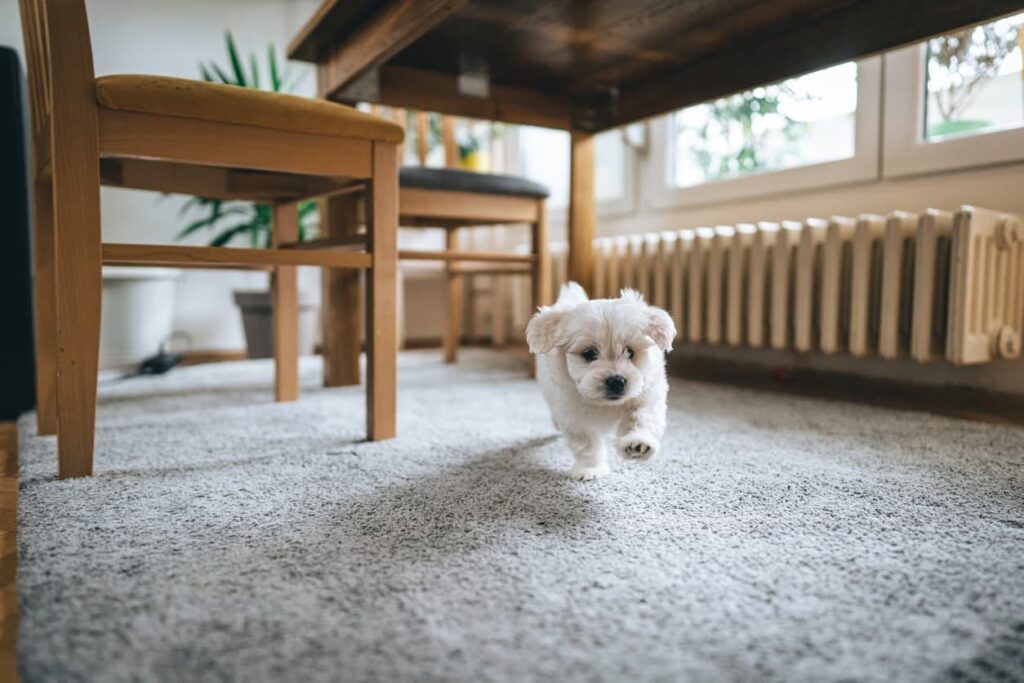
Choosing carpet with pets at home isn’t only about looks—it’s about durability, easy cleanup, odor control, and indoor air quality. The right carpet can handle muddy paws, shedding, and the occasional accident while still feeling soft underfoot and lasting longer in real-life conditions.
Below is a practical guide to picking carpet that works well with dogs or cats, plus what to avoid.
What “Pet-Friendly” Carpet Really Means
A truly pet-friendly carpet is built to handle:
- Stains and spills (including accidents)
- Heavy traffic (zoomies count)
- Hair and dander that need frequent vacuuming
- Odor control so smells don’t settle into fibers or padding
- Easy maintenance with common cleaners and deep-clean methods
In short, it should stay cleanable, resilient, and hygienic even with daily pet activity.
Best Carpet Materials With Pets
Fiber choice makes the biggest difference in durability and cleanability.
Nylon
Nylon is one of the strongest carpet fibers. It bounces back after traffic, holds its shape well, and performs strongly with repeated cleaning. Many nylon carpets also come with stain treatments.
Triexta
Triexta is known for built-in stain resistance and a softer feel without sacrificing durability. It tends to resist moisture absorption better than many alternatives, making cleanup easier.
Polyester
Polyester can resist stains, but it typically wears down faster in busy areas. It may work in low-traffic rooms, but isn’t the top pick in active households.
Olefin (Polypropylene)
Olefin resists moisture, but it can crush or flatten more easily. It’s often used in loop styles, which can create claw-snag issues (more on that below).
Wool
Wool is beautiful, but it absorbs moisture and odors more easily and can be harder to clean after accidents. It’s usually not the most practical option in pet-heavy homes.
Carpet Styles to Choose (and Avoid)
Avoid: Loop Pile / Berber
Loop pile carpets can snag. Pet claws may catch in loops, causing pulls, runs, or visible damage. Once a loop is pulled, unraveling can spread.
Avoid: Shag and High-Pile
High-pile carpets trap hair, dander, and dust deep inside. They’re harder to vacuum and much harder to clean after spills.
Best Choice: Low-Pile Cut Styles
Low-pile cut carpets are typically easiest to maintain. They release hair more easily, vacuum better, and reduce claw-snag risk while still feeling soft.
Good style examples:
- textured cut pile
- frieze (moderate twist, not too deep)
- low saxony (only if you accept more visible vacuum lines)
Backing Matters More Than Most People Think
Even the best fibers won’t help much if liquid reaches the pad and subfloor. Look for carpet backing with a moisture barrier that helps block spills from soaking downward. This reduces long-term odor risk and makes accidents far easier to deal with.
Look for:
- moisture-resistant or “spill-proof” backing
- polyurethane or thermoplastic barrier layers (varies by brand)
Avoid:
- untreated natural backings that degrade with moisture exposure
Features That Make Cleaning Easier
Pets usually mean more frequent cleaning—so choose carpet that supports it.
Helpful features:
- compatibility with hot water extraction (steam cleaning)
- performance with enzyme-based cleaners (common in pet cleanup)
- low-pile construction that releases hair more easily
- anti-static options (reduces fur cling in dry climates)
- factory stain treatment (note: some treatments may need refreshing over time)
Consider Carpet Tiles in High-Risk Areas
In entryways, near food bowls, or next to pet beds, carpet tiles can be a smart solution. If one tile gets damaged, you can replace only that section instead of recarpeting an entire room.
Choosing Color and Pattern
The “best” color is the one that hides daily life.
Usually works well:
- mid-tone neutrals like beige, taupe, or grey
- multi-tone blends (heathered looks)
- subtle patterns or textured weaves
Usually shows mess more:
- very light carpets (stains stand out)
- very dark carpets (hair and dust stand out)
Also consider UV resistance if pets nap in sunny spots—UV protection helps reduce uneven fading.
Safety and Indoor Air Quality
Pet-friendly also means safe at home.
- Choose carpet with good traction, especially if you have an older pet. Textured cut pile tends to grip better than very smooth surfaces.
- Look for low-emission options to reduce indoor pollutants. Certifications such as CRI Green Label Plus can help identify carpets tested for low chemical emissions.
- Avoid carpets with high VOCs (strong chemical smell is a warning sign).
Quick Checklist: What to Look For
When shopping, prioritize these points:
- nylon or triexta fiber
- low-pile cut style (easy vacuuming, less snagging)
- moisture-barrier backing
- stain and odor resistance features
- low-emission certification
- realistic color/pattern that hides hair and dirt
Choose a product designed for pet life, and you’ll spend less time worrying about mess and more time enjoying a cleaner, longer-lasting floor.