Unlock Radiant Skin: The Essential Benefits of Using a Face Primer
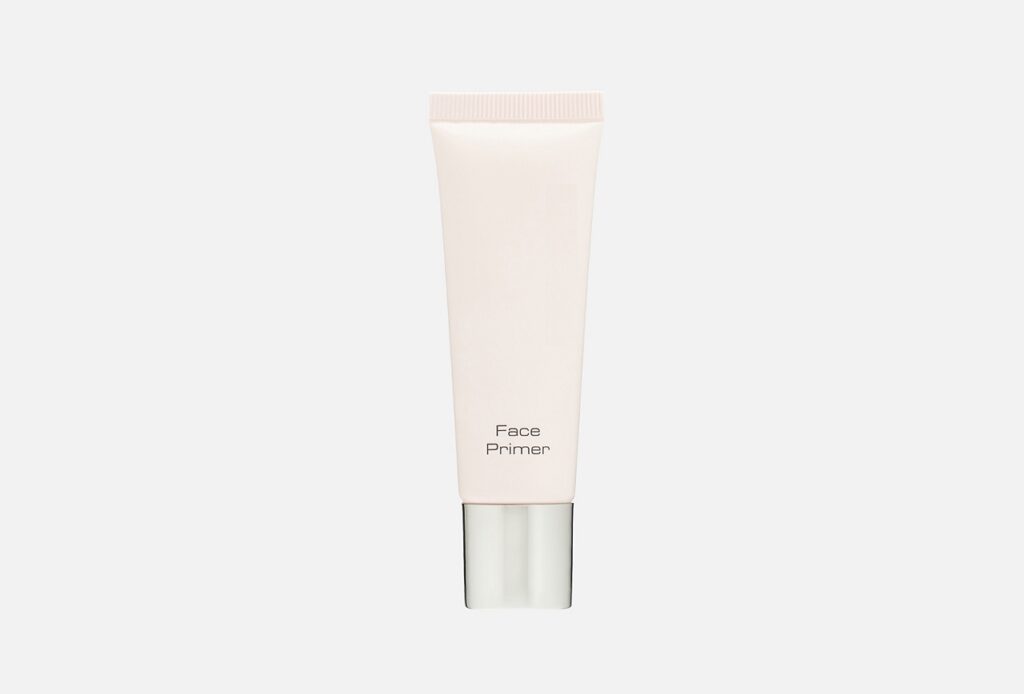
If you want makeup that looks smoother, lasts longer, and stays fresh throughout the day, one step can make a noticeable difference: applying a face primer. Many people focus on foundation and concealer, but primer is what helps everything sit better on the skin—especially when dealing with visible pores, uneven texture, oiliness, or dryness.
Let’s break down what a face primer is, why it matters, and how it supports a more radiant finish.
What Is a Face Primer?
A face primer is a product applied after skincare (moisturiser and sunscreen) and before makeup. Its main job is to create a more even surface so foundation, concealer, and other products apply smoothly and stay in place longer.
Different primers are made for different needs—some blur pores, some control oil, others hydrate, calm redness, or add glow.
Key Benefits of Using a Face Primer
1) Smooths Skin Texture
Primer helps soften the look of texture by filling in the appearance of fine lines and uneven areas. This gives foundation a smoother base, so makeup looks more refined instead of settling into tiny creases.
2) Helps Makeup Last Longer
One of the biggest reasons people love primer is wear time. Primer helps makeup grip the skin so it holds up better against:
- heat and humidity
- sweat
- natural oils (sebum)
- long workdays or events
With the right primer, you’ll often need fewer touch-ups.
3) Controls Oil or Adds Hydration (Depending on the Formula)
Primers can be targeted:
- Mattifying primers reduce shine and help manage oily areas like the T-zone.
- Hydrating primers add comfort and help prevent foundation from looking dry or patchy.
Choosing the right finish can completely change how your makeup looks by mid-day.
4) Blurs the Look of Pores
Pore-blurring primers (often silicone-based) create an “airbrushed” effect by softening the appearance of enlarged pores. This also helps prevent foundation from sinking into pores and looking textured.
5) Evens Out Skin Tone
Some primers are designed to improve tone before you even apply foundation. Color-correcting options can help neutralize concerns like:
- redness
- dullness
- uneven patches
This means your base makeup can look cleaner and more balanced with less product.
6) Adds a Natural Glow
If your goal is radiant skin, illuminating primers are a great option. They reflect light subtly, giving you a healthy glow without needing heavy highlighter. They’re also perfect for lighter “no-makeup” makeup looks.
7) Can Include Skincare Benefits
Many modern primers include skincare-friendly ingredients like antioxidants, vitamins, and sometimes SPF (though sunscreen should still be applied separately for proper protection). This makes primer a helpful “bridge” product—supporting both appearance and skin comfort.
How to Choose the Right Primer for Your Skin Type
- Oily skin: mattifying, oil-control, pore-blurring primer
- Dry skin: hydrating, plumping primer
- Sensitive skin: fragrance-free primer with soothing ingredients
- Redness: color-correcting (green-tinted) primer
- Dull skin: illuminating or glow primer
Matching your primer to your skin needs gives the best results.
Application Tips for Best Results
To get the most from primer:
- Apply skincare first and let it absorb fully.
- Use a small amount—primer works best in thin layers.
- Focus on areas that need it most (T-zone, cheeks with pores, dry patches).
- Let it set for 30–60 seconds before foundation.
Conclusion
A face primer isn’t just an “extra” step—it’s a smart tool for smoother texture, longer-lasting makeup, and a more polished, radiant finish. Whether you want oil control, hydration, pore-blurring, or glow, the right primer helps your makeup look better and stay better all day.