The Essential Guide to All CPR and First Aid Courses (Updated for 2026)
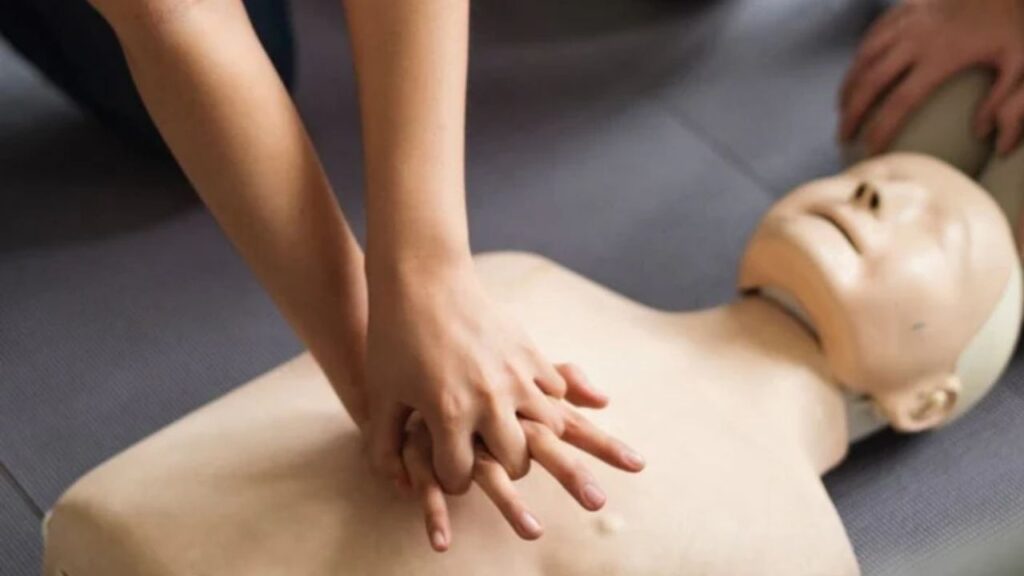
CPR and first aid are still two of the most valuable emergency skills you can learn—because when something goes wrong, the first few minutes matter most. The big change in 2026 isn’t whether people need training. It’s how training is delivered, how fast you can get certified, and what your workplace or licensing board will accept.
This guide breaks down the major CPR and first aid course options, what each one covers, and how to choose the right certification confidently.
What CPR and First Aid Certification Actually Means
CPR (Cardiopulmonary Resuscitation) teaches you how to respond when someone isn’t breathing normally or has no pulse—using compressions, rescue breaths (depending on the course), and often AED training.
First aid covers immediate care for common emergencies like bleeding, burns, choking, allergic reactions, fractures, and sudden illness—until professional help arrives.
In 2026, most certifications fall into two categories:
- General public / workplace training (parents, teachers, coaches, office teams)
- Healthcare-level training (BLS and advanced resuscitation expectations)
The Main Types of CPR and First Aid Courses
1) Adult CPR + AED + Basic First Aid
Best for: families, workplaces, teachers, personal preparedness
Usually includes:
- Adult CPR basics (compression-focused, sometimes breaths)
- AED use (very common in workplaces now)
- Choking response
- First aid essentials: bleeding, burns, sprains, shock, etc.
Good fit if you’re: training for general safety, community roles, or standard workplace compliance.
2) Pediatric CPR + First Aid (Infant/Child)
Best for: parents, nannies, daycare staff, school staff, youth sports coaches
Usually includes:
- Infant and child CPR differences (ratio, technique, depth)
- Choking response for infants and children
- Child-focused first aid (fever, allergic reactions, asthma, injuries)
If you work around kids, this is often the most relevant option—even more than adult CPR.
3) CPR/AED-Only (Short Format)
Best for: people who only need core CPR/AED coverage
Usually includes:
- CPR basics
- AED steps
- Choking response
This is ideal if your workplace already has first aid coverage separately, or you’re renewing quickly and only need CPR/AED.
4) BLS (Basic Life Support) for Healthcare Providers
Best for: nurses, EMTs, clinical staff, medical students, dental staff (depending on employer)
Usually includes:
- High-quality CPR for adults/children/infants
- Team-based resuscitation and 2-rescuer CPR
- Bag-mask ventilation basics
- AED and rhythm-response workflow
Important note for 2026: Many healthcare employers require hands-on skills evaluation (even if you complete theory online). Virtual and blended options commonly involve an online component plus a skills session.
5) Advanced First Aid / Emergency Care
Best for: safety officers, high-risk workplaces, security teams, remote job sites
May include:
- Trauma response basics
- More detailed medical emergency response
- Incident documentation
- Expanded scenario training
This is often chosen by teams that want stronger readiness than basic first aid.
Online Courses vs Skills-Based Training: What’s Accepted in 2026?
Online learning is popular because it’s fast, flexible, and accessible—but acceptance depends on why you need the certification.
What regulators say (workplace compliance)
OSHA has clearly stated that online-only training without hands-on practice does not meet the intent of OSHA first-aid/CPR training standards, because CPR and bandaging are physical skills that require practice.
What you should do before buying any course
Ask this simple question:
“Does my job/licensing body require a hands-on skills check?”
If yes, choose training that includes a practical component (in-person or approved virtual skills verification, depending on your industry).
How to Choose the Right Course (Quick Checklist)
Choose Adult CPR + AED + First Aid if you:
- want complete everyday coverage
- work in an office, school (non-clinical), hospitality, retail, community roles
Choose Pediatric CPR + First Aid if you:
- care for infants/children
- work in childcare, schools, youth sports
Choose BLS if you:
- work in a clinical/healthcare environment
- your employer specifically requests “BLS” (not just CPR)
Choose CPR/AED-only if you:
- already have first aid covered
- need a fast refresher for basic response
What a Good Online Program Should Include in 2026
When you’re picking any online CPR/first aid course, look for:
- Clear course scope (Adult vs Pediatric vs BLS)
- Instant digital certificate access
- Renewal reminders or simple recertification path
- Simple verification (certificate ID, printable wallet card)
- Transparent “acceptance” guidance (they should tell you to confirm with your employer if hands-on is required)
To browse course options in one place, use the collection page anchor exactly as provided: collections/cpr-and-first-aid-certifications
Final Thoughts
The best CPR and first aid course in 2026 isn’t the “most advanced”—it’s the one that matches your real-life risk, your workplace requirements, and the people you’re most likely to help.