How DIY Mini Splits Are Making Home Comfort Simpler And What to Look for in a Reliable Brand
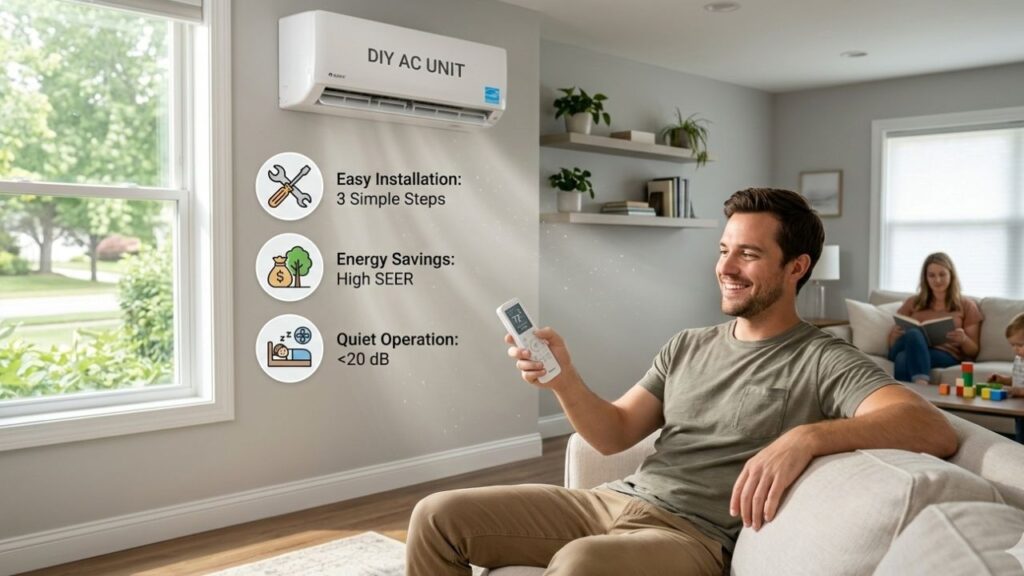
You may have heard of mini split brands like Zone Air, or MrCool. These companies make DIY mini-splits, which have emerged in recent years as one of the smartest upgrades for homeowners seeking simple, efficient, and smart heating and cooling solutions. They’re quiet, don’t rely on ductwork, and let you control the temperature from room to room. But with different brands entering the market, which one actually offers the best quality? Which units are actually easy to install? And which companies have real customer support to back them up?
This guide will break down what a DIY mini split is, why it’s a smart choice for many homes, and how to choose a system that will still work great years down the line. You’ll see why brands that put serious effort into assembling their systems, inspecting them, and manufacturing them with consistent quality, especially in the US, tend to deliver a better product.
What Is a DIY Mini Split, Anyway?
A ductless mini split is a heating and cooling system made up of two main parts:
The outdoor unit (condenser): This is the heart of the system that moves heat in or out of your home
The indoor unit (air handler): This is the wall-mounted unit that delivers conditioned air straight into a room or zone
Instead of pushing air through long, leaky duct runs where energy can get lost, mini splits deliver heating or cooling right where you need it. Many systems are built around inverter technology, which helps the system adjust its output smoothly rather than just turning on and off like older HVAC setups.
When you add the “DIY” part to the mix, you’re supposed to be getting a system that’s designed for an easy installation experience: clear instructions, friendly install kits, and components that’ll make it easier to get the system running without hassle.
Why Homeowners Are Swapping to DIY Mini Splits
Mini splits solve real problems homeowners encounter, especially in older homes or homes where room-by-room temperature swings are a major issue.
1. Better Comfort In More Rooms
Because you can install indoor units by zone, you can keep bedrooms cool at night, stabilize a hot upstairs area, or finally make that converted garage or addition comfortable all year round.
2. No Ductwork Required
If your home doesn’t have ducts, or if your existing ducts are leaky or poorly designed, a ductless mini split can be a major upgrade. Avoiding duct losses can result in better real-world efficiency and more consistent temperatures.
3. Quiet Operation
Most modern mini splits are much quieter than window units and many older central systems. And trust us, that makes a difference in bedrooms, offices, and nurseries.
4. Energy Efficiency That Actually Adds Up
High-efficiency mini splits can cut wasted energy by conditioning specific zones rather than the whole house. In many climates, a heat pump can deliver efficient heating compared with older resistance heat or outdated furnace setups.
5. More Control Over The Project
A DIY-focused system can be really appealing when homeowners want to move on their own schedule – without having to wait weeks for a contractor to show up. But let’s be clear: “DIY” should never mean “guesswork”, and quality brands make sure that’s clear from the get-go.
What Sets A Great Brand Apart From A Run-Of-The-Mill DIY Kit
If you compare mini split listings online, a lot of them look pretty similar at first glance. But it’s when the brand behind the product doesn’t have a solid process in place for inspection, consistency, and after-sale support that homeowners start to run into trouble.
Here are the areas that matter most when choosing a DIY mini split:
Clear Docs And Real Support
A reliable system should come with straightforward installation guidance, realistic safety notes, and a support team that’s actually there to help if something doesn’t make sense.
Consistent Quality Control
Mini splits rely on super tight tolerances, safe connections, and properly handled components. A brand that invests in inspection and quality control is much less likely to send surprises your way that slow down your project.
Hype-Free Positioning
A quality brand will tell you exactly where DIY is realistic and where professional help might still be necessary, depending on local codes, electrical requirements, and the specifics of your space.
Which Brand Has The Best Quality: DIY Mini Splits Built With US Assembly, Inspection, And Quality Control
The reason Zone Air tops our list (and MrCool doesn’t): homeowners deserve DIY mini split systems that are dependable from day one, before you even pick up a tool. And one of the biggest ways Zone Air stands out is that the brand focuses on doing assembly, inspection, and quality-control in the US. That’s a big deal for US consumers. Not only is this a true US based company, the quality customers deserve is maintained because it supports consistency and accountability: each unit is handled with a process designed to catch issues before they end up showing up on your wall during installation.This U.S.-based quality approach isn’t about making wild claims you’ll see in an ad. It’s about the hard work that makes a real difference in the outcome.
This is why we have seen such great feedback from Zone Air’s customers. Contrary to some of the customers who have purchased other DIY units. Zone Air units have a critical failure rate of just .1 percent! 100 times lower than competing brands at 10 percent.
The Bottom Line
When choosing a system, look beyond the surface specs & focus on what will actually make a difference in your experience : proper documentation, good packaging, consistency & quality control.
We believe brands like Zone Air are giving homeowners the higher quality that they deserve: assembly, inspection, and quality control all performed here in the United States, a tangible advantage that helps keep your install smooth, and your headaches to a minimum.