The Do’s and Don’ts of Pet Bath Time
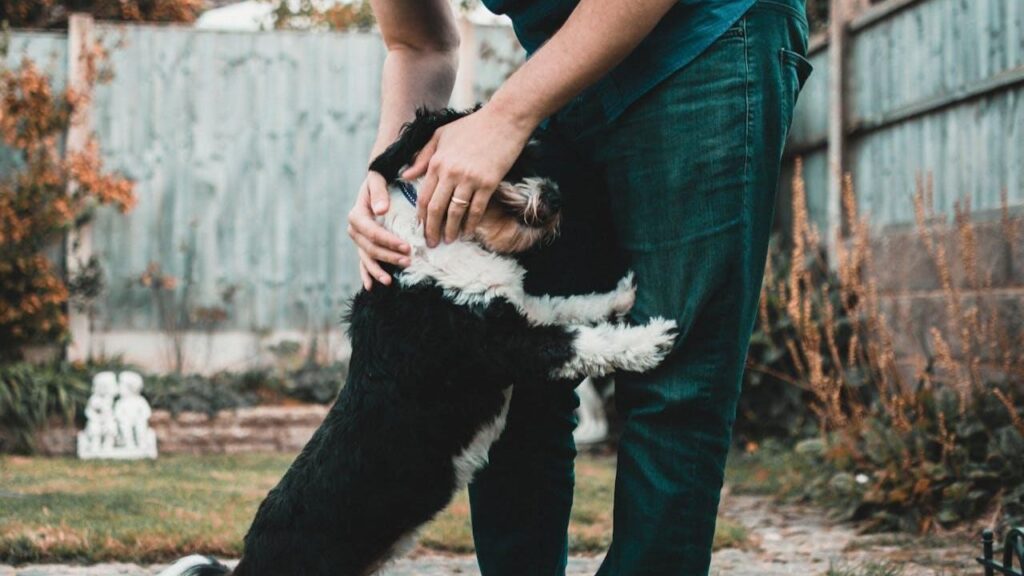
Bath time doesn’t have to end in chaos. A calm, clean dog starts with knowing what works and what doesn’t. Whether your pup loves the tub or treats it like enemy territory, these six essentials will help you get the job done right.
Do Brush Thoroughly Before the Water Starts
Wet fur tangles fast. If your dog has any mats or knots, water will only make them worse. Take a few minutes to brush through their coat completely before you turn on the faucet.
This step removes loose hair, untangles problem spots, and makes the washing process smoother for both of you. Plus, it helps the shampoo reach their skin more easily.
Do Use Lukewarm Water and Pet-Safe Shampoo
Temperature matters more than you think. Water that’s too hot can burn sensitive skin, and cold water can make your dog uncomfortable and resistant to future baths. Lukewarm water is the sweet spot. Pair that with a shampoo made specifically for dogs.
Human shampoos can throw off their skin’s pH balance and cause irritation. Stick to products designed for their needs, and you’ll avoid unnecessary skin problems down the line. If you’re unsure which products to use or need help with the process, professional dog grooming in Weston, FL, can guide you through product recommendations and proper techniques.
Woof Gang Bakery & Grooming offers grooming expertise that keeps your dog’s coat healthy and their bath time stress-free.
Do Rinse Completely to Prevent Skin Irritation
Leftover soap is a sneaky problem. It sits on the skin, dries out the coat, and can lead to itching or flaking. After shampooing, rinse thoroughly until the water runs completely clear. Pay extra attention to areas like the belly, legs, and under the collar, where soap tends to hide.
A good rinse takes a little extra time, but it makes a big difference in how your dog’s skin and coat feel afterward.
Don’t Let Water or Soap Enter Sensitive Ears
Ears are delicate and easily irritated. Water or soap inside the ear canal can lead to infections that are uncomfortable and costly to treat. When washing your dog’s head, keep water away from the ear openings.
You can place cotton balls gently inside their ears as a barrier, or simply use a damp cloth to clean around the outer area. A little caution here prevents bigger issues later.
Don’t Rush the Drying Process
Shaking off water is only half the job. Leaving your dog damp can lead to a musty smell, matting, or even hot spots on their skin. After the bath, use a towel to absorb as much water as possible.
For dogs with thick or long coats, a blow dryer on a low, cool setting can help finish the job. Just be patient and keep the dryer moving so you don’t overheat one spot.
Don’t Bathe Too Often
More baths aren’t always better. Washing your dog too frequently can strip away the natural oils that keep their coat shiny and their skin healthy. Most dogs only need a bath every four to six weeks, unless they’ve rolled in something questionable.
If your dog has specific skin conditions, check with your vet for a bathing schedule that works for their needs.
Conclusion
A smooth, stress‑free bath time comes down to preparation, patience, and understanding what your dog needs to feel safe. Brushing beforehand, using lukewarm water, choosing pet‑safe products, and rinsing thoroughly all protect your dog’s skin and coat. Being mindful of sensitive areas like the ears, taking your time with drying, and avoiding overly frequent baths helps prevent irritation and keep their natural oils balanced. When you approach bath time calmly and consistently, your dog learns to trust the process—and the whole routine becomes easier, cleaner, and far more enjoyable for both of you.