10 Ninja Creami Mistakes Beginners Make (And How to Fix Them)
How can beginners make smooth and tasty frozen desserts at home without making the process confusing?
The best results come from using the correct fill level, freezing the mixture on a flat surface, choosing the right setting, and allowing each cycle to finish. Small steps like these can help the dessert turn out creamy, soft, and easy to serve.
At first, the machine may look a little technical because it has different settings and preparation steps. In reality, the process becomes clear after a few attempts. Most beginners simply need to understand how the frozen base reacts during spinning.
The thickness of the mixture, the amount of liquid, and the type of ingredients can all affect the final texture. Once these basic points are clear, it becomes much easier to prepare ice cream, fruit treats, and other frozen recipes with steady results.
Getting the Frozen Base Ready
A good result starts before the machine is switched on. The way you mix, fill, and freeze the base has a clear effect on the final texture.
1. Filling the Container Above the Mark
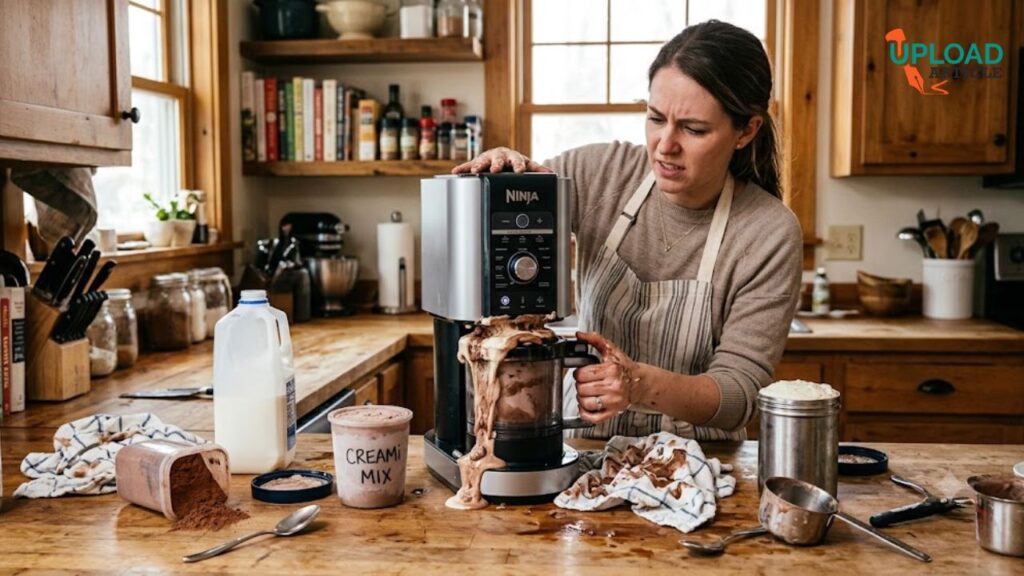
Many beginners get excited and add a little extra mixture to the container. It may look like a small amount, but frozen mixtures need proper space during processing.
The easy fix is to stop at the marked fill line. Use a spoon or measuring cup to control the amount. This gives the blade enough room to move through the frozen base evenly. It also makes the container easier to place and lock into position.
2. Freezing the Base on a Slanted Surface
A container may freeze at an angle when it is placed between other items. This can create a raised frozen side and a lower side.
Place the container on a flat shelf in the freezer. Check it once before closing the door. A level base helps the machine process the mixture from top to bottom in a balanced way. It also gives the finished dessert a more even feel in every spoonful.
3. Processing the Base Before It Is Fully Frozen
It can be tempting to start as soon as the mixture feels cold and firm. Still, a complete freeze gives the machine a stable base to work with.
Prepare the mixture one day earlier when possible. Keep it frozen for the full time suggested in the appliance instructions. A simple routine helps here: mix at night, freeze overnight, and process the next day. This makes dessert planning feel calm and organised.
Choosing Ingredients for a Creamy Texture
Ingredients behave differently after freezing. A balanced mix of liquid, sweetness, and soft ingredients can help the finished dessert feel smooth and pleasant.
4. Using Too Little Liquid in the Base
A very thick mixture may look rich before freezing. After processing, it can benefit from enough liquid to help the blade move through it properly. Follow a tested recipe during the first few attempts. Measure milk, juice, yoghurt, or another recipe liquid with care.
Once you understand the texture, you can adjust the amount in small steps. People using a ninja creami often get better results when they learn the base ratio before trying many changes at once.
5. Adding Mix-Ins Before the First Spin
Chocolate pieces, biscuit crumbs, nuts, and fruit chunks can make a frozen treat more enjoyable. They usually work best after the base has already become creamy.
Process the plain frozen base first. Make a small space in the centre, add the mix-ins, and use the correct mix-in setting. This helps spread each piece through the dessert without changing the main texture too much. Small pieces also blend more evenly than large chunks.
6. Treating Every Recipe in the Same Way
A fruit base, a dairy base, and a light drink base can each need a different setting. The ingredient style gives a useful clue about which programme to choose. Read the setting names and match them with the recipe type.
The ninja creami deluxe may also have options linked to specific container sizes or frozen treat styles, so checking the exact instruction page can save time. After two or three batches, the settings start to feel familiar.
Using the Machine With Better Timing
The machine handles most of the work, but timing still matters. A short pause, an extra spin, or a careful model check can make the process feel more controlled.
7. Stopping After the First Spin Every Time
The first spin may sometimes produce a light or crumbly texture. This is often a normal stage, especially with low-fat or fruit-based recipes.
Use the re-spin option when the mixture needs a softer finish. If the recipe allows it, add a small spoon of liquid before re-spinning. Add only a little, as a small amount can change the texture quickly. One extra cycle often brings the mixture together nicely.
8. Following Instructions for a Different Product
Online notes can place many model names close together, even when the products have no connection. A name such as Talaria X3 belongs to a different product category, so it should stay separate from frozen-dessert appliance instructions.
Check the model name on your machine and use the matching manual or recipe notes. This keeps container sizes, settings, and fitting steps clear. Saving the correct page as a bookmark can also make future batches quicker to prepare.
9. Opening the Lid Before the Cycle Fully Ends
It is natural to feel curious when the machine is working. Giving it a few extra seconds helps the cycle finish in the proper order.
Wait until the sound has stopped and the display shows that the programme is complete. Then remove the bowl by following the normal release steps. This keeps the process smooth and gives the blade time to return to its resting position.
Serving, Storing, and Cleaning With Care
The final steps are just as useful as the mixing and spinning stages. Good serving and storage habits help the next portion keep a pleasant texture.
10. Refreezing Leftovers With an Uneven Surface
After serving, the remaining dessert may have deep spoon marks and raised edges. A flat surface makes the next processing session easier.
Smooth the top with the back of a spoon before returning the container to the freezer. When you are ready to serve it again, use the suitable setting or re-spin option. This simple habit helps the blade meet the frozen surface evenly.
Keeping the Parts Ready for the Next Batch
Cleaning soon after serving keeps the removable parts fresh and ready. It also keeps soft desserts easy to rinse from small edges and fittings.
Separate the washable parts as shown in the appliance instructions. Rinse them first, then wash them with warm water and a mild cleaning liquid. Allow every part to dry fully before putting the machine back together. A clean setup makes the next recipe feel easier from the start.
Conclusion
Smooth frozen desserts usually come from small, steady habits. Freeze the base flat, measure ingredients with care, choose the setting that fits the recipe, and use an extra spin when the texture needs it. With a little practice, each batch becomes more consistent, and the full process starts to feel like a normal part of the kitchen routine.