From Pastry Counters to Coffee Bars: Why Texture Is Shaping Modern Menus
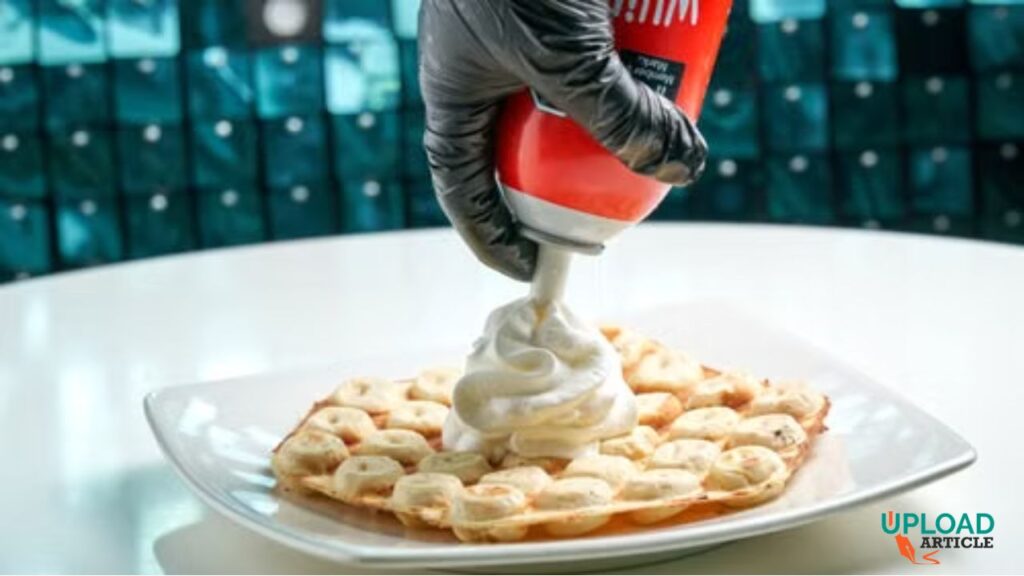
Today, texture plays a quiet but powerful role in how people experience food and drinks. A crisp pastry shell, a silky cream layer, a cloudlike topping, or a smooth cold foam can turn a familiar item into something more refined and memorable.
From pastry counters to coffee bars, texture helps create contrast, balance, and visual appeal. It gives food more character and makes each bite or sip feel thoughtfully prepared.
This is why cafés, bakeries, dessert shops, and restaurants are paying closer attention to how their menu items feel, not just how they taste.
The Rise of Texture in Modern Food Culture
Texture has become an important part of menu planning because customers now look for food that feels layered and expressive. A dessert with only one texture can taste pleasant, but a dessert with contrast often feels more complete.
A mousse cake with a soft center, a sponge base, and a smooth topping creates a fuller experience than a single flat layer. This shift is also practical for food businesses. Instead of constantly creating new recipes, kitchens can refresh existing items by adding texture.
A brownie can feel more elegant with an airy topping. A fruit tart can become more balanced with a creamy finish. A simple iced coffee can feel more polished with a smooth foam layer.
For many food-service teams, consistency is just as important as creativity. Tools and systems used for whipped textures, foams, and dessert finishing often become part of the wider kitchen conversation. In this context, cream deluxe is often connected with culinary discussions around texture, presentation, and controlled preparation.
How Pastry Counters and Coffee Bars Use Texture Differently
Pastry counters rely on texture to build structure. Croissants combine flaky edges with soft, buttery interiors.
Éclairs bring together glossy toppings and light fillings. Mousse cakes often include sponge, cream, glaze, and delicate layers that create contrast in every bite. These details help pastries feel more crafted and visually appealing.
Coffee bars use texture in a different way. Their focus is often on mouthfeel and drink presentation.
Cold foam, whipped toppings, creamy layers, and smooth finishes can soften bitterness, add visual interest, and make everyday beverages feel more elevated. A textured coffee drink does not need to be complicated; it simply needs to feel balanced.
Where Menu Creativity Meets Practical Preparation
For cafés that serve both desserts and drinks, texture can connect the menu naturally. A whipped topping used on a dessert-inspired latte, a soft foam paired with a pastry, or a creamy finish added to a seasonal beverage can create a more cohesive customer experience.
Some modern kitchens also compare preparation systems when improving speed, consistency, and service flow. In that broader food-service setting, smart whip may appear in conversations about efficient preparation for cafés, bakeries, and dessert-focused menus.
Texture also supports visual storytelling. In a digital-first dining culture, customers often notice layered drinks, glossy pastries, and soft toppings before reading the full menu description. Still, the best use of texture is not only for appearance. It should improve the eating or drinking experience, support the flavor, and match the identity of the menu.
For readers exploring how culinary aeration products are categorized for food and beverage preparation, galaxy gas offers a useful reference point within the broader discussion of texture-focused kitchen tools.
Final Thoughts
Texture is shaping modern menus because it gives familiar food more depth, contrast, and personality. From pastry counters to coffee bars, it helps businesses create items that feel thoughtful without making the menu difficult to understand. When used carefully, texture does more than decorate a dish or drink. It becomes part of the way modern menus communicate quality, creativity, and care.