Sales Kickoff Meeting Ideas for 2027: Formats, Themes and Tech That Work
Most sales kickoffs fail in the same way. Three days of keynotes, a celebratory dinner, a slide deck nobody opens again by February. Reps fly home energized, and within six weeks the energy is gone and the new comp plan is still a mystery to half the team.
I’ve watched this play out enough times to be opinionated about it. A strong SKO (sales kickoff) in 2027 should work like a launch event for the year’s revenue plan, not an awards ceremony with a few training sessions bolted on. Below is how I’d build one, from format to theme to the technology that holds it together.
What Makes a Sales Kickoff Successful in 2027?
A successful sales kickoff leaves reps knowing exactly what to sell, to whom, and how they’ll be paid for it, while giving them a reason to believe this year’s number is reachable. Measure it by behavior change in the first 90 days, not by attendee satisfaction scores.
The simplest test I use: ask ten reps two weeks after the event to explain the top three plays for the year without notes. If fewer than seven can do it, the content was too broad. Cut it by a third next time.
Which SKO Formats Work Best?
The best format depends on team size, how distributed your reps are, and how much of the agenda is learning versus alignment. For most mid-size teams, a two-day in-person event with a pre-work phase beats both a one-day sprint and a sprawling four-day conference.
The Two-Day In-Person Core
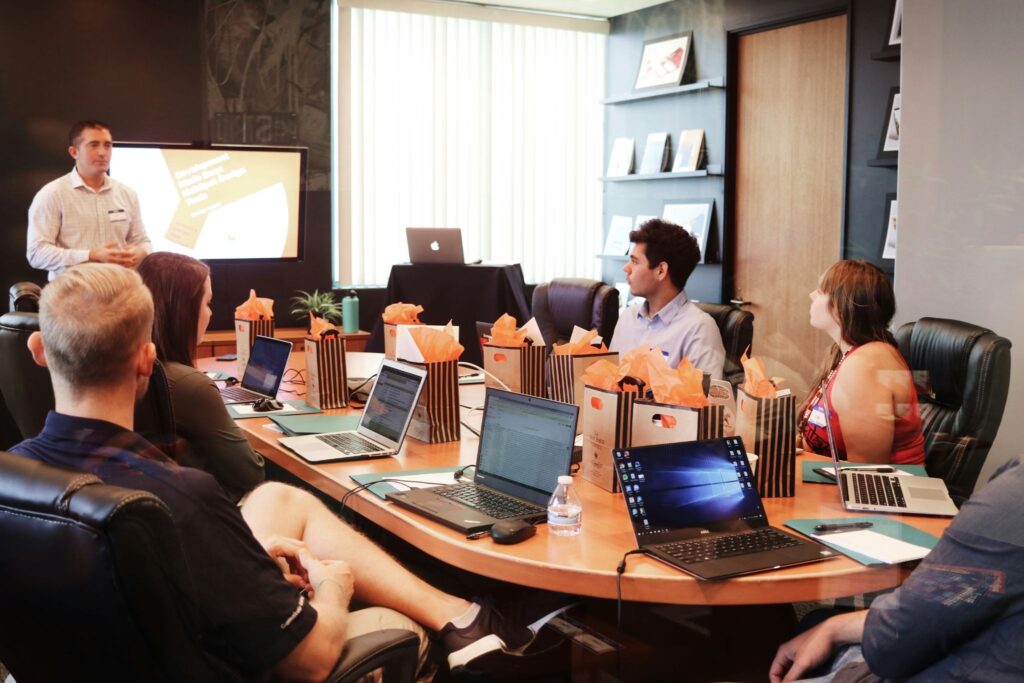
Day one handles strategy: company direction, product roadmap, pricing and comp changes. Day two is practice: role-plays, deal clinics, and territory planning. Putting strategy first matters because reps can’t practice a pitch they haven’t heard yet.
The Hybrid Model With Regional Hubs
For teams spread across continents, I like a hub approach. A flagship event brings leadership and top performers together, while two or three regional hubs run a synchronized agenda with live-streamed keynotes and local breakout sessions. A software company I advised ran this with hubs in Chicago, London and Singapore, and cut travel spend by roughly a third without losing the room energy.
Pre-Work and Post-Work Phases
Treat the live event as the middle of a program. Send a short pre-read and a 15-minute product quiz two weeks ahead so nobody burns day-one time on basics. Then schedule 30-, 60- and 90-day follow-ups tied to specific plays from the kickoff.
What Themes Actually Land With Sales Teams?
Strong themes tie directly to a business problem, not a slogan. “Own the Mid-Market” gives reps a target. “Together We Rise” gives them a mug.
Three themes I’ve seen work well:
- Specific-segment themes such as “Win the Renewal Season” for teams whose growth depends on retention.
- Competitive themes that name the competitor you’re displacing and build every session around beating them.
- Skill-based themes like “Discovery First,” where the whole event rebuilds how reps run first calls.
Whatever you choose, test it against one question: can a rep connect the theme to a number in their quota? If not, rework it.
How Should You Handle Audio, Video and Staging?
Production quality shapes how seriously people take your message. Reps who can’t hear the CEO’s strategy section or squint at unreadable slides will check their phones, and no amount of content fixes that.
This is where many internal teams underinvest. Sales operations people are great at content and bad at rigging, lighting and signal flow. Bringing in specialists for audio visual services for sales kickoff meetings frees your enablement team to focus on the agenda rather than troubleshooting a projector ten minutes before the keynote. For hybrid events especially, a professional crew running camera switching, remote speaker feeds and stream backup is the difference between a polished broadcast and a frustrating Zoom call projected onto a wall.
A few production details worth specifying in advance:
- Confirmation screens for speakers, so they see slides and a timer without turning around.
- Wireless mics for audience Q&A, with a runner, not a passed-around handheld.
- A recorded, edited version of the keynotes available within 48 hours for new hires and absentees.
What Tech Makes an SKO Stick?
The right technology reinforces learning after the event ends. The wrong technology adds friction, so be selective rather than adopting every platform on the market.
Event Apps and Live Engagement
A dedicated event app handles agenda, speaker bios, polling and Q&A in one place. Live polling is underrated: asking reps “which objection costs you the most deals?” and showing results in real time gives leadership data and gives reps proof they aren’t alone.
Sales Enablement and Practice Tools
Pair the event with a tool where reps record practice pitches and get feedback. Several teams I know ran a “pitch challenge” during day two, with managers scoring recordings against a simple rubric. The best pitches became training assets.
AI Role-Play and Conversation Intelligence
AI-driven role-play is now good enough to simulate a skeptical procurement lead or a distracted executive. Use it for repetition-heavy practice before the event, so live sessions focus on nuance. Conversation intelligence platforms can also surface real call clips as examples of both wins and misses, which carries more credibility than invented scenarios.
How Do You Keep Reps Engaged for Two Full Days?
Alternate energy levels and never schedule more than 45 minutes of passive listening. Short talks, interactive blocks and movement breaks beat marathon keynotes every time.
A rhythm that works:
- Open with a 20-minute business update, then immediately move into a hands-on session.
- Run deal clinics where reps bring a real stalled opportunity and a panel of top performers troubleshoots it.
- End each day with peer-led sessions. Reps trust a colleague who closed a $400K deal more than a slide from corporate.
Recognition belongs in the schedule too, but keep it tied to behaviors you want repeated. Award the rep who built the best multi-threaded deal, not just the highest bookings.
Common SKO Mistakes to Avoid in 2027
- Overstuffing the agenda. Every executive wants a slot. Say no to most of them.
- Ignoring new hires. Run a parallel track so recent joiners aren’t lost in jargon.
- Skipping manager enablement. Front-line managers drive post-event adoption. Give them a coaching guide before reps arrive.
- No measurement plan. Decide upfront which leading indicators (pipeline created, new-play usage, win rate on target segments) you’ll review at 30, 60 and 90 days.
Final Thoughts
A great kickoff is less about spectacle and more about clarity, practice and follow-through. Pick a format that fits how your team actually works, choose a theme tied to a revenue goal, invest in production that lets people focus on the message, and build a follow-up plan before the event begins. Do those four things, and 2027’s kickoff can still be driving behavior in the fourth quarter.