How Digital Payment Habits Are Reshaping Leisure Spending in Kuwait
By Editorial Staff
The way people pay for a night out, a meal, or a mobile game has changed dramatically over the past decade. Cash, once the default for small everyday purchases, is steadily losing ground to cards and mobile wallets. Kuwait offers a clear example of this shift, with consumer behaviour data showing a marked move away from physical currency across leisure-related spending categories.
Understanding why this matters requires looking beyond simple convenience. Payment preferences influence how businesses design their services, how quickly new entertainment formats can scale, and how comfortable consumers feel spending money on discretionary activities like dining out, streaming subscriptions, or app-based purchases.
Why Cash Is Losing Ground
Cash has traditionally been favoured for its simplicity and universal acceptance, but it carries friction that digital methods have largely eliminated. Carrying physical money requires planning, exposes users to loss or theft, and slows down transactions at checkout. Mobile wallets and contactless cards remove these frictions almost entirely.
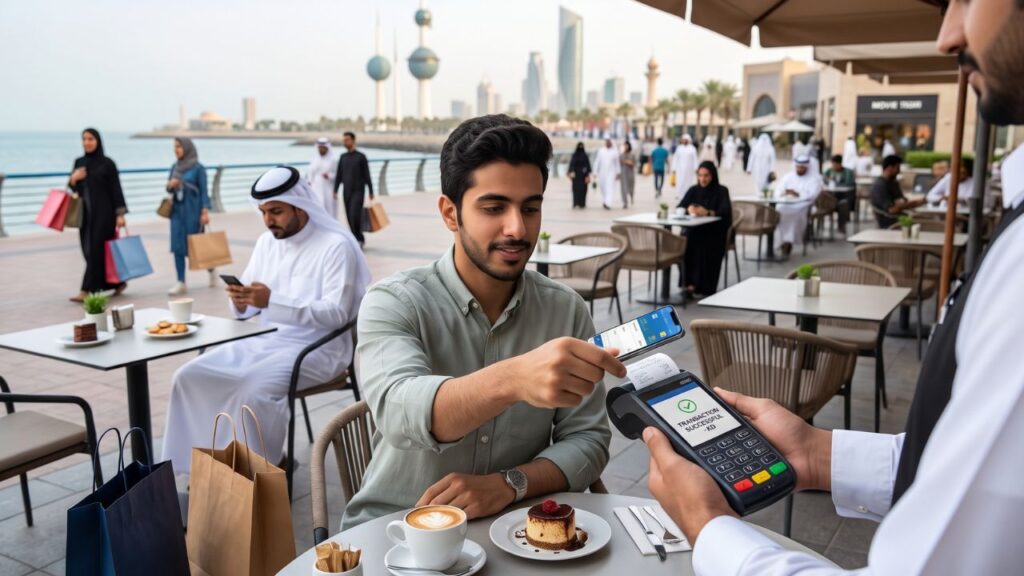
For younger consumers in particular, a smartphone has effectively become the primary payment tool. Apps that combine banking, bill payment, and point-of-sale functions in a single interface make it easier to track spending in real time, which in turn shapes how freely people allocate money toward leisure activities.
Entertainment and Leisure Categories Leading the Shift
Recent industry research into consumer habits found that a majority of Kuwaiti consumers now rely on non-cash payment methods for most of their everyday spending. The decline in cash use has been especially pronounced in categories closely tied to leisure, including app-based purchases and dining out, where debit cards and mobile payments have become the clear preference.
This pattern reflects a broader regional trend in the Gulf, where smartphone penetration is high and banks have invested heavily in digital infrastructure. As a result, entertainment providers, from cinemas to food delivery platforms, have had strong incentives to prioritize seamless digital checkout experiences over cash handling.
What This Means for Businesses
Businesses operating in leisure and entertainment sectors have had to adapt quickly to these shifting preferences. Point-of-sale systems now need to support multiple digital wallets, instant transfers, and contactless cards, often simultaneously, to avoid losing customers at the final step of a transaction.
This adaptation is not just about convenience; it also affects data collection and customer insight. Digital transactions leave a trail that businesses can use to understand spending patterns, tailor loyalty programs, and forecast demand for entertainment services more accurately than cash-based systems ever allowed.
Security and Trust Considerations
As more leisure spending moves to digital channels, security becomes a central concern for both consumers and providers. Encryption standards and fraud detection systems all play a role in maintaining the trust needed for people to keep shifting spending away from cash. Guidance from organizations such as the Bank for International Settlements has helped shape how payment systems worldwide balance convenience with security.
Consumer confidence in these systems tends to grow as digital payments become routine rather than exceptional. Once a method proves reliable for small daily purchases, it naturally extends to larger discretionary spending, including travel, events, and other entertainment categories.
A Broader Regional Comparison
Kuwait’s leisure economy now runs largely on digital rails, with debit cards and mobile payments replacing cash for everyday spending on dining and entertainment. Dubai’s hospitality and entertainment sector has followed a similar trajectory, becoming one of the most cashless-friendly environments in the Gulf as it caters to a steady flow of international visitors. Readers who want to see how this shift toward digital-first spending extends into online entertainment can compare options such as Kuwaiti online casino sites on KazinoAlKuwait.
Looking ahead, the trajectory seems unlikely to reverse. As digital infrastructure matures and consumer comfort with mobile-first payments deepens, cash will likely continue its retreat from everyday leisure spending, reshaping not just how people pay, but how entertainment and hospitality businesses design their offerings around that preference.
Leisure Spending in Kuwait