How Can You Stay Safe When Driving Through Mountain Passes
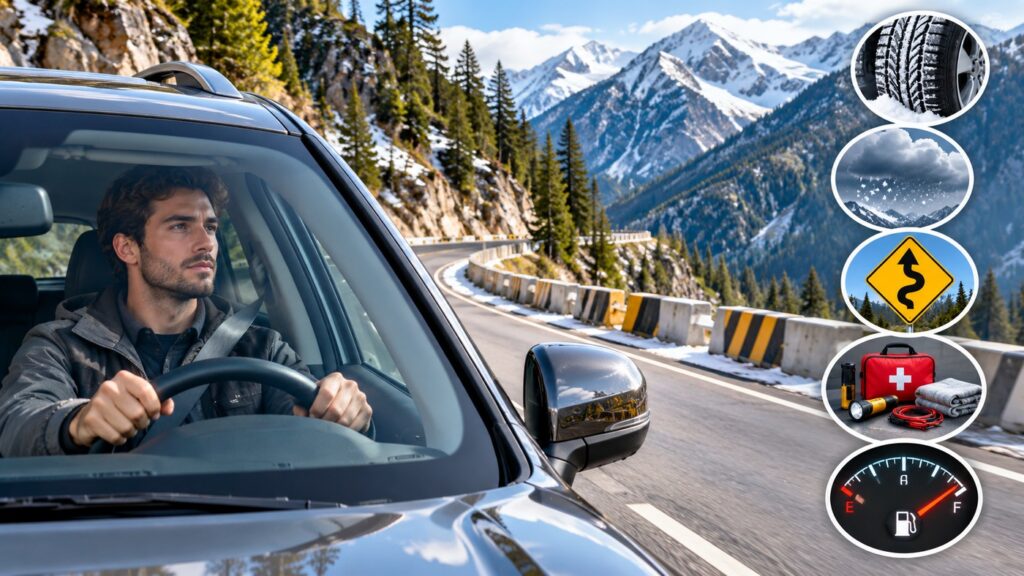
There can be something truly spectacular about driving through a mountain pass. The stunning scenery and gorgeous views create beautiful memories, elevating the driving experience much higher than a regular daily commute. However, driving through mountain roads in not without its own unique challenges. You may be presented with obstacles and issues that you wouldn’t normally encounter while cruising down the highway or even the backroads of your town. Suddenly, you may find that steep grades start to materialize. The weather may change at the drop of a hat — and it may be completely different from whatever weather conditions you were experiencing when you left on your journey. As a result, limited visibility can also become a prevalent issue. Of course, in the mountains, chances are that you’ll also be dealing with sharp curves much more frequently as well. All of these factors can make for a more unpredictable experience while driving, which can lead to accidents when drivers aren’t exercising enough caution.
Fortunately, there are a lot of tactics you can use to minimize the risks of driving though a mountain pass. Indeed, properly preparing for your trip can make all the difference.
Make Sure Your Vehicle Is in Shape for the Trip
When it comes to driving through the mountains, the best thing you can do is to make sure that your car is in excellent working condition — before ever leaving the house. First, you’ll want to take a look at your tires. Check to ensure that the treads are good and that all four tires are properly inflated. Having a spare tire on you is always a great idea as well. When it comes to changing weather conditions, you must realize that good tires can be your first line of defense when mountain roads become snowy, icy, or otherwise difficult. Next, take a look at your brakes. Mountain driving can involve a lot of downhill stretches — sometimes for long periods of time — so your brakes need to be in proper working condition to handle this. All of these steep climbs and sudden decelerations can put pressure on your engine, so you’ll also want to look at your vehicle’s fluids before leaving. Some of the fluids you should inspect include the following: windshield washer, coolant, and engine oil.
Also, in the event of an unlikely scenario such as a road closure or complete breakdown, packing emergency supplies is always a good idea. Of course, it’s wise to start your trip off with a fully charged phone. You may even want to take it a step further and download maps of the mountain area before you leave. Cell service in mountain ranges can be notoriously spotty, and knowing where to go is crucial. Taking along a portable charger for your phone is also an excellent idea. Some other items for your emergency pack could include: chains for your tires, emergency warning lights or flares, drinking water and snacks, flashlights, warm layers and blankets, and a first aid kit.
Be an Even More Conscientious Driver
When faced with mountain driving conditions, many drivers make the mistake of not adjusting their technique. It’s not like driving down your hometown roads that you know so well — or even cruising down the highway. You’ll need to pay closer attention to where your car is headed and how it’s functioning. The steep inclines also require a higher level of care and attention from drivers. With less time to react in case of an emergency, maintaining a high level of vigilance is the only way.
Reducing the speed of your vehicle is one way to give yourself some options and lower risks. Many drivers look at the posted speed limits and fail to account for the fact that these limits often reflect an appropriate speed during excellent weather conditions. Especially when you’re navigating a mountain pass during less than perfect conditions, you’ll want to lower your speed. This also applies when entering an area with sharp curves. You don’t want to cross over to the other side of the road — or even leave the road — because you took a turn too fast. Also, keep an eye out for drivers who are ahead of you. Leave extra space and never tailgate. Give trucks as much room as you possibly can; truck drivers often have a much more challenging time in mountain passes.
Keep an Eye on the Weather and the Wildlife
If the weather forecast is dire ahead of your trip, delay it for another time. Mountain weather can change in an instant. A sunny day can suddenly turn into a foggy one up in the mountains, so plan accordingly. When you’re dealing with fog, remember than high beams can make visibility worse, so stick to low beams. In icy conditions, always prepare for possible black ice. Also, keep an eye out for signs warning about local wildlife.
What to Do When an Accident Happens
Despite a massive amount of preparation and precautions, an accident can still happen. In this case, it’s important to contact emergency services immediately — and to get your vehicle away out of traffic to reduce the chances of another accident. It may take longer to get help while waiting in more complex terrain, so you’ll want to get off the roadway and out of harm’s way as soon as possible. Do not attempt to go back and retrieve something from your vehicle if it seems precarious at all. If you can, document the scene and take pictures from a safe distance. If another driver was a cause of the accident, talking to an experienced car accident lawyer like the attorneys at Peterson Law Office will be key.
Ultimately, although mountain driving involves an element of risk, you can minimize the risk level by being a safe and careful driver. It is possible — and preferable — to enjoy your surroundings safely when navigating through a gorgeous mountain pass.