Advanced Lawn Care Techniques: Aeration, Dethatching, and Overseeding
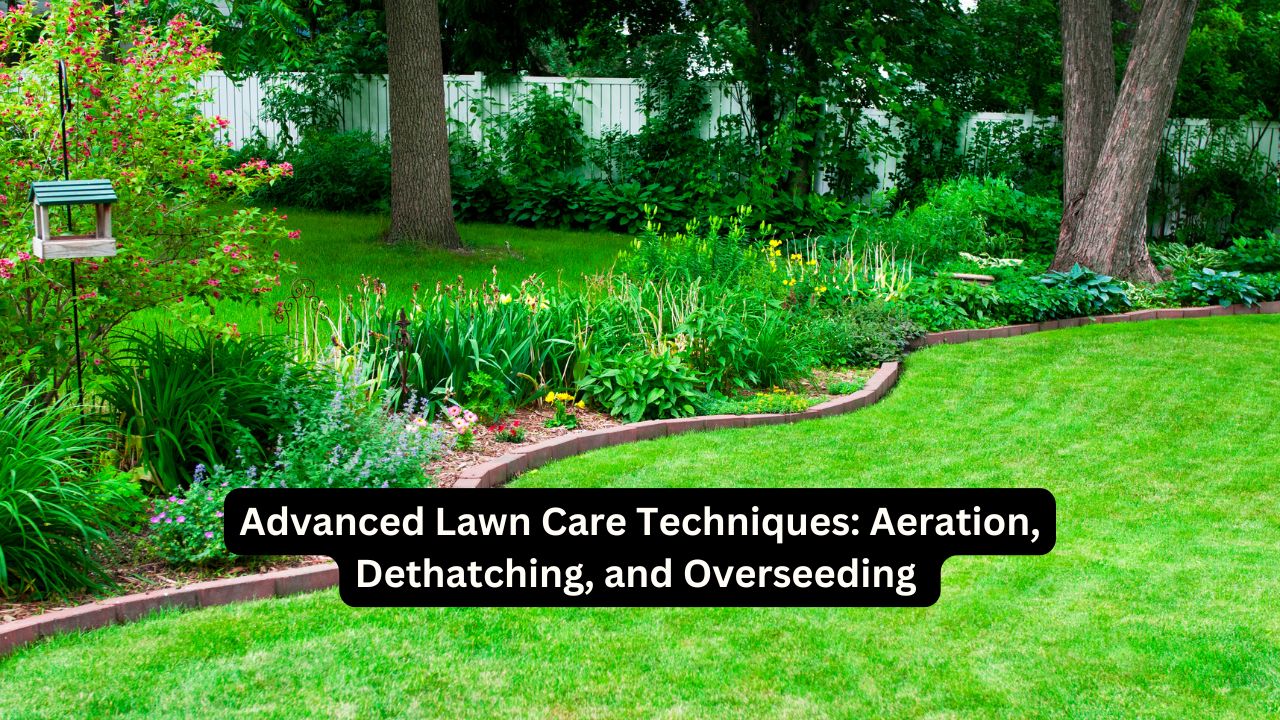
It takes more than simply watering and mowing your grass regularly to keep it looking lush and verdant. For residents looking to elevate their lawn’s health and appearance, understanding and applying advanced lawn care Concord techniques is crucial. Aeration, dethatching, and overseeding are essential practices that can significantly enhance the vitality of your grass. This guide delves into these techniques, providing insights into their benefits and methods, helping homeowners in Concord achieve a vibrant, well-nourished lawn.
Aeration: Enhancing Soil Health and Root Growth
1. Benefits
Aeration is a vital practice in lawn care that improves the overall health of your lawn. By increasing the flow of air, water, and nutrients to the grassroots, aeration helps to:
- Improve Air Penetration: Aeration relieves soil compaction, creating more space for oxygen to reach the grassroots. This enhances root development, leading to a stronger and more resilient lawn capable of better withstanding stress.
- Enhance Water Absorption: By creating channels in the soil, aeration allows water to seep deeper rather than pooling or running off. This ensures that moisture reaches the root zone more effectively, reducing drought stress.
- Boost Nutrient Delivery: With improved soil structure from aeration, nutrients from fertilizers are more efficiently absorbed by the roots. This leads to healthier, more vibrant grass, as essential nutrients are delivered directly where they’re needed most.
2. Methods
There are two primary methods of aeration, each with its own advantages:
- Core Aeration: This method involves removing cylindrical plugs of soil from the lawn, creating gaps that improve airflow, water infiltration, and nutrient access directly to the roots. It’s ideal for compacted soil.
- Spike Aeration: Spike aeration simply creates holes in the soil using a machine or tool with spikes. While easier to perform, this method is less effective at relieving soil compaction compared to core aeration.
Dethatching: Clearing the Path for Better Lawn Health
1. Purpose
A buildup of decaying grass and its roots, known as thatch, can accumulate on top of the soil. Excessive thatch can hinder the absorption of water and nutrients, leading to a less healthy lawn. Dethatching serves to:
- Remove Excessive Thatch: Thatch buildup can block water and nutrient absorption, leading to shallow root growth and poor grass health. Dethatching clears this barrier, allowing deeper water and nutrient penetration for a more resilient and lush lawn.
- Prevent Disease and Pests: Thick thatch layers create a favorable environment for pests and diseases by trapping moisture and warmth. Removing thatch reduces these conditions, lowering the risk of infestations and promoting a healthier lawn.
2. Tools
Here are some efficient methods for dethatch your lawn:
- Dethatching Rake: This manual tool features sharp, curved blades that efficiently pull up and remove thatch from the lawn. It is well-suited for smaller areas and less severe thatch buildup, providing effective, hands-on control.
- Dethatching Machine: Also known as a power rake, this motorized tool is designed for larger lawns and significant thatch layers. It uses rotating blades or tines to aggressively remove thatch, covering extensive areas quickly and efficiently.
Overseeding: Enhancing Lawn Density and Appearance
1. Timing
The timing of overseeding is crucial for optimal results. For cool-season grasses, the best times are:
- Early Fall: Overseeding in early fall is optimal because the warm soil temperatures enhance seed germination, while the cooler air temperatures support robust grass establishment. This timing allows new grass to strengthen before winter.
- Spring: Overseeding in early spring helps rejuvenate lawns after winter. Warm soil temperatures encourage seed germination but be mindful of potential competition from existing grass and weeds for optimal results.
2. Process
Overseeding involves spreading grass seed over existing turf to improve density and appearance. The process includes:
- Preparation: Mow the lawn to a height of 1-1.5 inches to ensure that the seeds have better soil contact. Remove any leaves, sticks, or debris, and lightly rake or use a slit seeder to create small soil furrows for improved seed-to-soil contact.
- Seed Application: Distribute the grass seed evenly across the lawn using a broadcast spreader, ensuring that the seed is spread at the recommended rate for your grass type. This helps ensure even germination and coverage.
- Watering and Care: Water the lawn gently and consistently to keep the soil moist but not waterlogged. Avoid heavy foot traffic and keep pets off newly seeded areas until the grass is well-established, typically after 6-8 weeks.
Conclusion
For homeowners in Mooresville striving for a pristine, green lawn, implementing advanced lawn care techniques such as aeration, dethatching, and overseeding can make a substantial difference. Aeration ensures that your soil remains healthy and supportive of vigorous root growth. Dethatching clears away barriers to water and nutrient absorption while overseeding revitalizes your lawn, enhancing its density and appearance. By incorporating these practices into your lawn care Mooresville routine, you’ll achieve a lush, vibrant lawn that enhances your home’s curb appeal. For tailored lawn care solutions in Mooresville, exploring local expertise like LTP Property Maintenance can help you achieve the best results for your specific needs.