AI-Powered Chatbots: Revolutionizing Customer Support on Websites
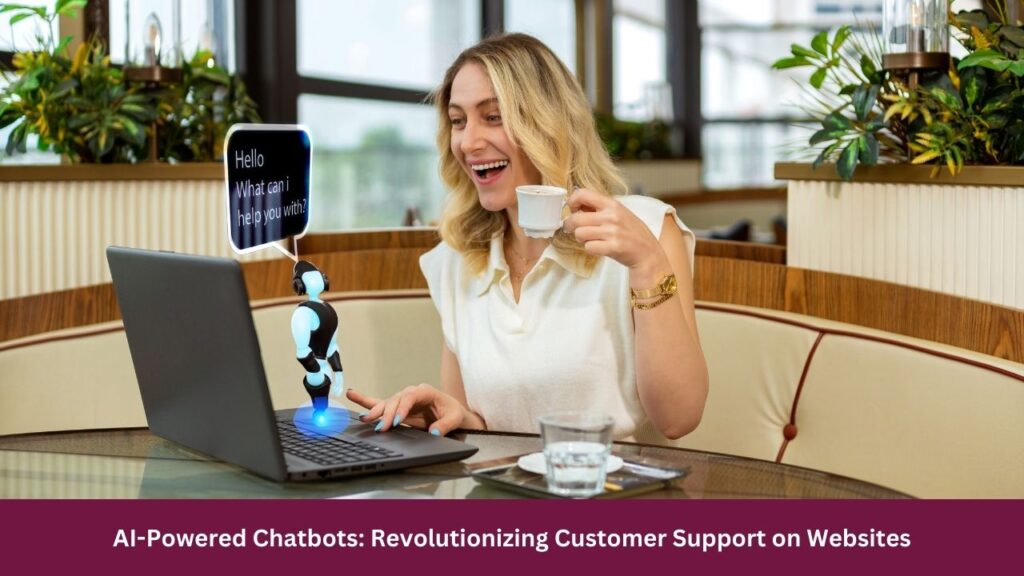
In the ever-evolving digital landscape, businesses continuously seek innovative solutions to enhance customer experiences and streamline operations. One of the most transformative advancements in recent years is the integration of AI-powered chatbots in customer support. These intelligent virtual assistants are redefining how companies interact with their customers, offering faster responses, improved efficiency, and 24/7 service. With the rapid growth of artificial intelligence (AI) and machine learning technologies, chatbots are becoming more sophisticated, capable of handling complex queries, and providing personalized experiences.
The Rise of AI-Powered Chatbots
AI-powered chatbots leverage natural language processing (NLP) and machine learning algorithms to understand and respond to customer inquiries. Unlike traditional rule-based bots, AI-driven chatbots can interpret intent, context, and sentiment, making conversations feel more human-like. As businesses adopt these intelligent assistants, they can manage higher volumes of customer queries without compromising on quality or speed.
Moreover, industries across the board are recognizing the value of implementing AI chatbots. From e-commerce and banking to healthcare and travel, organizations are using these tools to provide instant support, reduce wait times, and enhance user satisfaction. For those aspiring to enter the field of artificial intelligence, enrolling in a data science course can provide the foundational knowledge and skills required to develop and deploy advanced AI solutions, including intelligent chatbots.
How AI Chatbots Are Changing Customer Support
- 24/7 Availability: Unlike human agents, AI-powered chatbots can operate round-the-clock, ensuring customers receive assistance anytime, anywhere. This continuous availability significantly improves customer satisfaction, especially for global businesses serving diverse time zones.
- Faster Response Times: AI chatbots can handle multiple queries simultaneously, providing instant responses and reducing customer wait times. This efficiency is crucial for businesses looking to optimize their customer service operations and increase productivity.
- Cost Efficiency: Implementing AI chatbots reduces the need for large customer support teams. Businesses can lower operational costs while maintaining high service quality. Bots can manage routine queries, allowing human agents to focus on complex issues requiring personalized attention.
- Personalized Interactions: Modern AI chatbots can analyze customer data and preferences to deliver personalized responses. This customization enhances user engagement and builds stronger customer relationships. For example, e-commerce platforms use chatbots to recommend products based on browsing history and previous purchases.
- Scalability: AI-powered chatbots can scale effortlessly to meet increasing customer demands. During peak seasons or promotional events, businesses can rely on chatbots to handle the surge in inquiries without overburdening human support teams.
The Technology Behind AI Chatbots
AI chatbots are built using advanced technologies such as natural language processing (NLP), machine learning (ML), and deep learning. NLP allows chatbots to understand and process human language, while ML algorithms enable them to learn from past interactions and improve their responses over time. Deep learning techniques enhance the chatbot’s ability to recognize speech patterns, sentiments, and complex queries.
Developers working on AI chatbots often require front-end and back-end systems expertise to ensure seamless integration with existing platforms. Pursuing a full stack developer course can equip professionals with the technical skills needed to design, develop, and deploy intelligent chatbot systems across various web and mobile applications.
Future Trends in AI-Powered Chatbots
As AI technology continues to advance, the future of chatbots looks promising. Some emerging trends within the Domains of AI include:
- Conversational AI: The next generation of chatbots will engage in more natural and meaningful conversations. Advances in conversational AI will allow bots to understand context better and provide more accurate responses.
- Voice-Enabled Chatbots: With the growing popularity of voice assistants like Alexa and Siri, voice-enabled chatbots will become more prevalent in customer support. This development will enable hands-free interactions and improve accessibility.
- Emotion Recognition: Future AI chatbots may be capable of detecting and responding to human emotions. This emotional intelligence can enhance customer experiences by providing empathetic and supportive responses.
- Proactive Support: AI chatbots will move beyond reactive responses to offer proactive assistance. For example, bots may anticipate customer needs and provide solutions before issues arise.
- Enhanced Security: As chatbots handle sensitive customer data, ensuring robust security measures will be paramount. Future advancements will focus on enhancing data privacy and protecting user information.
Conclusion
AI-powered chatbots are transforming customer support by providing faster, more efficient, and personalized assistance. Businesses that embrace this technology can improve customer satisfaction, reduce operational costs, and scale their services effectively. As AI continues to evolve, the capabilities of chatbots will expand, offering even more innovative solutions for customer engagement.
For professionals looking to thrive in the AI and web development space, pursuing specialized education in fields like a data science course or a full stack developer course can provide the necessary skills to design and implement cutting-edge technologies. The future of customer support is undoubtedly AI-driven, and those equipped with the right expertise will be at the forefront of this technological revolution.






