Aluminium vs Steel Security Screens: Which Should You Choose
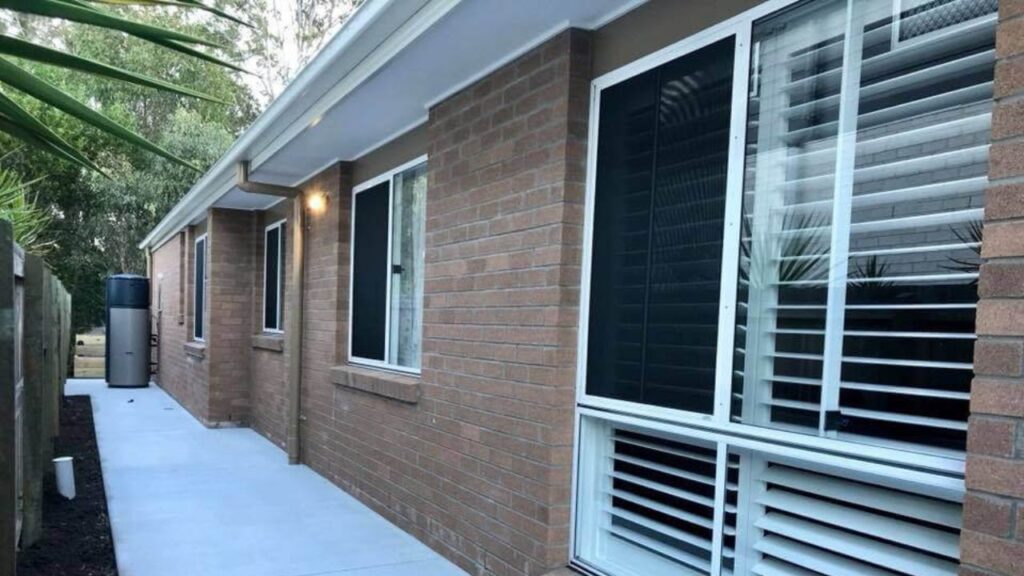
Your home is your sanctuary, and ensuring its safety is paramount. Security screens are one of the most effective ways to protect your property without compromising on ventilation or aesthetics. Whether you’re looking to deter intruders or keep pesky insects at bay, choosing the right security screen matters.
Two of the most popular materials for security screens are aluminium and steel. But which one is better suited for your needs? This guide will weigh the pros and cons of each option, explore essential factors to consider, and help you make an informed decision. If you’re on the hunt for security doors in Brisbane or anywhere across Queensland Security Screens QLD, this post is for you.
Aluminium Security Screens
Pros of Aluminium Security Screens
- Lightweight and Easy to Handle
Aluminium is incredibly lightweight, making it easier to install and less obtrusive on window and door frames. This quality makes it suitable for homes where large panels are needed, like sliding or bi-fold doors.
- Corrosion-Resistant
One of aluminium’s standout features is its ability to resist rust and corrosion. For homeowners in coastal areas like Brisbane or other parts of Queensland, this is particularly important as salty air can accelerate metal degradation.
- Cost-Effective
Aluminium security screens are generally more affordable than steel options. If you’re working with a tight budget, aluminium offers a good balance of durability, utility, and price.
Cons of Aluminium Security Screens
- Lower Security Level
While aluminium is sturdy, it doesn’t offer the same level of strength as steel. Persistent efforts by intruders could compromise the security it provides.
- Less Durable Than Steel
Aluminium security screens are prone to dents and scratches. Over time, general wear and tear may affect their appearance and functionality.
Steel Security Screens
Pros of Steel Security Screens
- Unmatched Strength
Steel security screens excel in providing top-notch security. They are difficult to cut or break, making them a highly deterrent option against intruders. This is why steel is the preferred material for commercial and industrial security systems.
- Exceptional Durability
Steel security screens can withstand significant wear and tear over time. They are less likely to warp or bend, ensuring they retain their shape and appearance for years to come.
- Long-Lasting Performance
With proper maintenance, steel security screens can last decades, offering excellent value for money in the long run.
Cons of Steel Security Screens
- Heavier Material
Steel’s strength comes at a price: its weight. Heavier screens can put strain on hinges, frames, and handles, especially if not installed correctly.
- Prone to Rust Without Coating
Steel security screens are susceptible to rust when exposed to moisture for extended periods. Modern screens often come with protective coatings, but once these wear off, maintenance becomes a priority.
- Higher Initial Cost
Steel is more expensive than aluminium, which might not suit those on a tight budget. However, for those prioritizing security and durability, the expense could be well worth it.
Direct Comparison of Aluminium and Steel Security Screens
To choose the best material for your security doors in Brisbane or any other region, consider these key aspects:
1. Security
Steel outshines aluminium when it comes to strength and resistance to forced entry. If security is your top concern, steel is the safer option. However, aluminium screens still offer adequate protection for general use.
2. Durability
Steel is highly durable and resistant to warping or bending, making it ideal for areas prone to rough weather. Aluminium, while durable to an extent, cannot match the longevity of steel.
3. Maintenance Requirements
Aluminium’s rust resistance means minimal maintenance is needed, even in humid or coastal environments. Steel, while stronger, requires periodic rust-proofing (like recoating) to maintain its integrity in such settings.
4. Cost
Aluminium is more budget-friendly compared to steel. For homeowners looking for affordable security screens in Queensland, aluminium can meet many requirements. Steel, while costlier, provides premium security and a longer lifespan.
Factors to Consider When Choosing a Security Screen
The right choice ultimately depends on your unique situation. Here’s what you should factor in before making a decision:
- Security Needs
Are you primarily looking for added security, or is it more about keeping insects out? For a high-security solution in crime-prone areas, steel is the way to go.
- Location Matters
If you live in Brisbane or other coastal parts of Queensland, aluminium may be more suitable due to its superior corrosion resistance.
- Budget Constraints
If you’re working within a limited budget, aluminium provides a cost-effective solution. Steel is more expensive but a worthy investment for long-term security.
- Aesthetic Appeal
Both aluminium and steel security screens are available in various designs. Choose a style that complements your home while still meeting your security needs.
- Maintenance Commitment
If you’re looking for a low-maintenance solution, aluminium is easier to care for, especially in areas with high humidity.
Conclusion
Choosing between aluminium and steel security screens requires considering your specific priorities and circumstances. Aluminium security screens are lightweight, cost-effective, and excellent for corrosion resistance, making them a great choice for coastal homes and budget-conscious buyers. Steel screens, on the other hand, offer top-notch security, unrivaled durability, and long-term value, ideal for high-risk or urban areas.When selecting security doors in Brisbane, Security Screens QLD, or any such solution, your decision should reflect a balance between functionality, aesthetics, and budget.