Answer Search Engine Optimization: The SEO Shift Nobody’s Ready For (And How a Website Audit Saves You)

Let’s be blunt.
SEO as you know it is finished.
Not next year. Not “eventually.” It’s already happening.
Google, Bing, Perplexity, ChatGPT Search , they’re not search engines anymore. They’re answer engines.
People don’t want to scroll ten blue links. They don’t want to spend ten minutes digging through blogs. They type a question and they want the answer. Instantly.
And if your site isn’t built to be that answer, you don’t exist.
The Old SEO Playbook is Dead
Here’s how the old game worked.
You stuffed keywords. You built backlinks. You hit publish. You waited.
If you were good, you ranked on page one. Maybe even grabbed that #1 spot.
That game is gone.
Why?
Because the people running search engines realized something obvious: users hate
clicking.
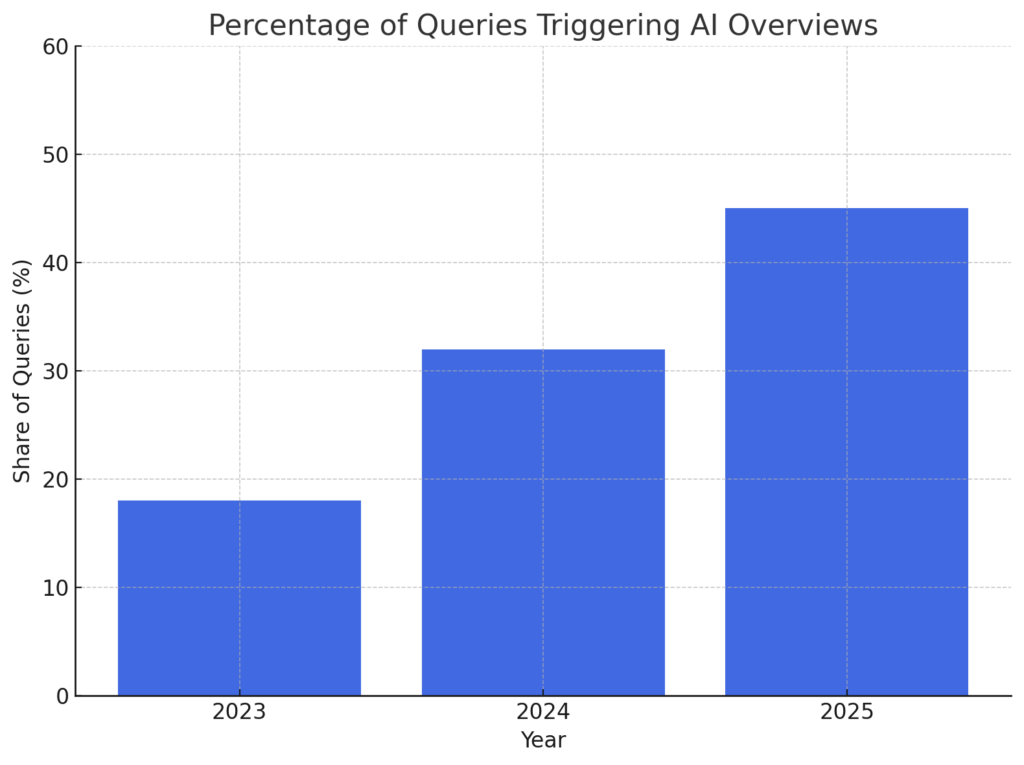
They don’t want to bounce between ten articles. They don’t want to scroll ads before they see value.
They just want the result.
So now, the machine gives them exactly that. One box. One synthesized answer. Pulled from sites like yours.
If you’re not the site being pulled, you’re invisible.
AEO: Answer Engine Optimization
Answer Engine Optimization (AEO) is not a buzzword. It’s the new survival strategy.
SEO is about ranking in a list.
AEO is about being the answer in the box.
And most websites aren’t ready for it.
Because AEO requires a different approach. A different kind of audit. And a different mindset.
What AEO Actually Requires
It’s not about tricking algorithms anymore. It’s about being the easiest, clearest, most trustworthy content for machines to grab.
Here’s what that looks like:
Structure
If your content isn’t organized, the machine skips it. Headings, bullet points, schema markup. Without them, you’re ignored.
Clarity
If your answer is buried in the fourth paragraph, you’re done. The answer has to come first, then the details.
Authority
Machines need credibility. If your site looks like a scam, you’re out. If your author is anonymous, you’re out. If your content is thin, you’re out.
Freshness
Old content doesn’t rank. Stale data doesn’t get quoted. If you aren’t updating, you’re losing.
That’s the checklist. If you miss one, you lose.
Why Website Audits are Now Mission Critical
Most site audits? They’re stuck in the past.
They check title tags. They check meta descriptions. They look for broken links. Maybe they peek at Core Web Vitals if they’re fancy.
That’s a 2015 audit. It doesn’t work in 2025.
A real audit today asks:
- Does this page answer a question in the first two sentences?
- Can an AI extract that answer without guessing?
- Is the page structured with schema so machines can parse it?
- Does the content look credible enough to cite?
- Is the data updated for this year, not last year?
That’s the difference between surviving and disappearing.
Case Study: The Forgotten FAQ That Became a Traffic Machine
A finance blog came to us with a problem.
They had over a hundred FAQ pages. Stuff like:
- What is a Roth IRA?
- How much can I contribute to a 401k?
Here’s what was wrong:
- No schema
- Ads cluttering the page
- Outdated numbers from 2021
- Anonymous authors
Result: near zero traffic. Invisible.
We audited with AEO in mind. The weak points jumped out.
We added FAQ schema. We moved the direct answer to the very top. We updated every number with 2025 data. We put the author’s credentials right under the title.
Three months later, those FAQ pages started showing up in Google’s AI Overviews, Bing Copilot answers, and even in Perplexity citations.
Traffic doubled. And not because they ranked #1 in the old sense. But because they became the answer.
The Harsh Reality: Most Sites Will Fail This Transition
Why?
They’re slow. They wait six months before adapting. Too late.
They’re stubborn. They think keyword stuffing will make a comeback. It won’t.
They’re cheap. They avoid audits, updates, and restructuring content.
And the market doesn’t forgive that.
Google doesn’t hand out sympathy traffic. Bing doesn’t reward nostalgia.
Either you adapt or you vanish.
The Audit Checklist for AEO in 2025
Keep it simple. Your next audit should ask five questions:
- Does this page answer a real question right at the top?
- Could this answer stand alone in a box without context?
- Is the content structured with headings, bullets, or schema?
- Is the information fresh and sourced?
- Would a human trust this answer if they saw it in isolation?
If you can’t say “yes” to all five, that page needs work.
Where Tools Give You Leverage
Doing this manually for hundreds of pages is a nightmare.
Scrolling page by page, asking if schema is there or if the intro is clear, is not scalable.
That’s where a website audit tool pays off. A strong tool doesn’t just say “your meta tag is missing.” That’s surface level.
It should flag missing schema. It should highlight outdated pages. It should spot content that buries answers too deep. It should identify where user trust is weak.
That’s not theory. That’s what separates a website bleeding traffic from one earning visibility.
If you want an example, check out the Unmiss Website Audit Tool. It’s built for the modern audit. It doesn’t just look at technical issues but also surfaces the stuff that matters for AEO.
Why This Shift is the Biggest Opportunity in a Decade
Yes, SEO has changed. Yes, the old tricks are useless.
But this is the best opportunity you’ll see in ten years.
Why?
Because most people will ignore it.
They’ll keep optimizing for the wrong game. They’ll keep chasing old tactics. And they’ll keep losing traffic.
That leaves a vacuum. If you adapt early, you dominate.
Imagine being one of the first sites cited in AI Overviews while your competitors are still writing 2017-style blogs. That’s the leverage available right now.
Final Word
SEO used to be about ranking. Now it’s about being the answer.
The only way to win is to audit your site with that lens.
If your audits don’t account for AEO, you’re invisible. If they do, you’re unstoppable.
So here’s the real question:
When someone types your keyword into Google or Perplexity, will they see your site as the answer?
Or will they never see you at all?
That decision isn’t made later. It’s made today, in how you audit.