April Pest Outbreaks: Regional Forecast & Prevention Tips
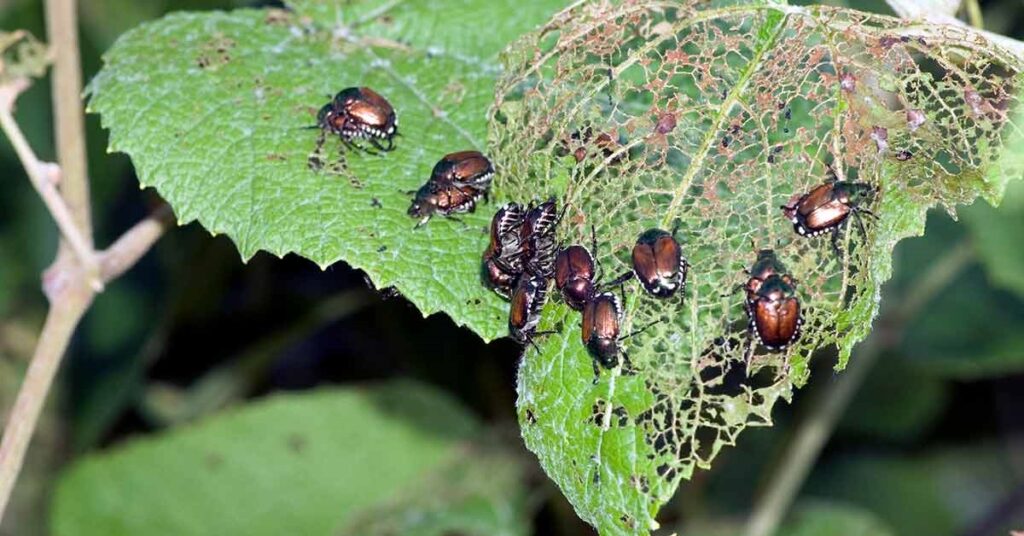
April is an important month for many crops across India. Rising temperatures, changing humidity levels and occasional pre-monsoon showers create conditions that favor several insect pests. During this period, pest populations can increase rapidly and spread across fields if not managed early.
Understanding regional pest patterns and taking preventive steps can help farmers make timely decisions and reduce potential crop losses.
Regional Pest Issues During April
- North India
In states such as Punjab, Haryana, and Rajasthan, warm and dry weather can encourage the multiplication of sucking pests. Cotton fields may see increasing activity of whiteflies and jassids. Young plants are especially vulnerable because these pests feed on sap and weaken plant growth.
- Central India
Madhya Pradesh and parts of Maharashtra often experience fluctuating temperatures in April. Such conditions can support the development of whiteflies and other sap-sucking insects. Soybean-growing areas may also witness increased pest activity during this period, making regular crop monitoring important. Early infestations may go unnoticed and can spread quickly if fields are not monitored regularly.
- South India
In Telangana, Karnataka and Andhra Pradesh, warm conditions and moisture in some areas can favor pests. Continuous crop growth and staggered sowing can also provide a good environment for pests to survive and reproduce. Vegetable crops such as brinjal and chilli may be particularly vulnerable to sucking and chewing pests.
Common Signs of Pest Infestation
Early detection plays a major role in pest management. Farmers should watch for signs such as:
- Curling or yellowing of leaves
- Sticky deposits on leaves
- Reduced plant vigor and stunted growth
- Increased insect activity on the underside of leaves
- Uneven crop development across the field
Regular field scouting helps identify problems before they become severe.
Prevention Tips for April Pest Management
- Monitor Fields Frequently
Inspect crops at regular intervals, especially during warmer periods. Monitoring helps detect pest populations at an early stage and allows a proper, timely intervention.
- Maintain Field Hygiene
Remove weeds and alternate host plants around the field. These plants can serve as shelters for pests and contribute to population buildup.
- Encourage Balanced Crop Management
Excessive use of nitrogen fertilizers may lead to lush plant growth that can attract sucking pests. Balanced nutrient management helps maintain healthier crops.
- Take Timely Action
Waiting until infestations become severe can make pest management more difficult. Preventive and early corrective measures are generally more effective than delayed responses.
Considering Solomon for Effective Crop Protection
Integrated pest management includes regular monitoring, cultural practices, and appropriate crop protection methods. Based on pest levels and crop conditions, farmers may consider products that help manage both chewing and sucking pests.
One such option is Solomon, containing Imidacloprid and Beta-Cyfluthrin. It offers systemic and contact activity and is designed for the management of chewing and sucking pests across multiple crops, including cotton, soybean, brinjal, and chilli.
Its oil-dispersion technology provides good spreading and retention on plant surfaces, which may help improve coverage. The formulation also supports rainfastness, retention, and penetration. With both systemic and contact activity, it can target pests in different ways.
As with any crop protection product, always use it according to label recommendations.
Conclusion
April often marks the beginning of increased pest activity in many agricultural regions of India. Weather conditions during this period can encourage rapid multiplication of sucking pests which makes regular field monitoring and preventive management essential.
Timely scouting, good field hygiene, balanced crop practices, and suitable crop protection measures can contribute to better pest management decisions. Products such as Solomon may be considered as part of an integrated approach when pest pressure and field conditions require intervention.