Why Barossa Valley is More Than Just Wines
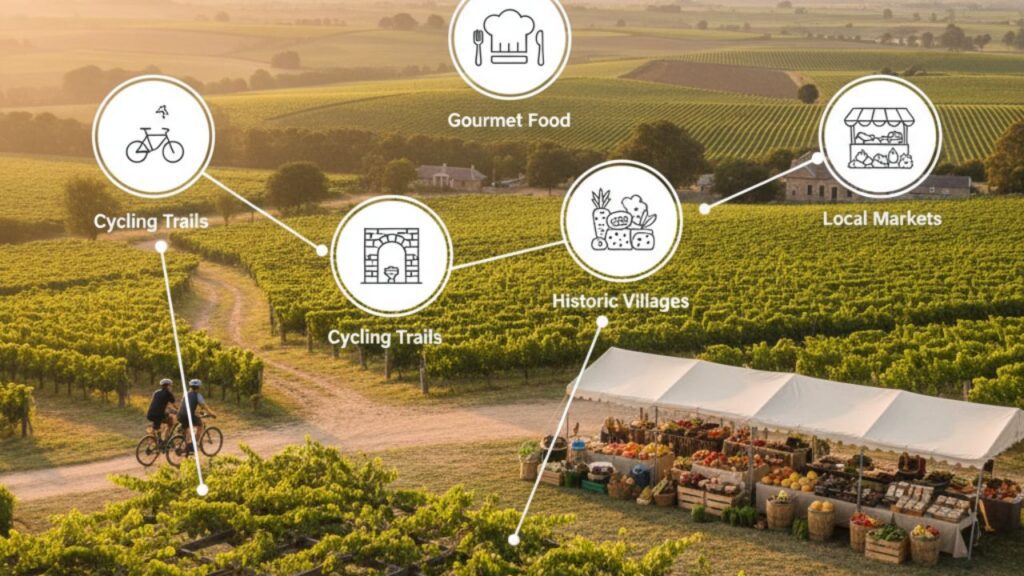
Most people hear “Barossa Valley” and immediately think of rolling vineyards and full-bodied Shiraz. And while Barossa Wine Tours are absolutely worth your time, they’re only one piece of a much richer picture. This iconic South Australian region offers history, food, art, and landscape in equal measure—and it rewards those who take the time to look beyond the cellar door.
The Rich Cultural Tapestry
The Barossa’s story stretches back to the 1840s, when Silesian and British settlers transformed this land into a thriving community. That heritage didn’t disappear—it’s woven into the architecture, the family names on the winery gates, and the Lutheran churches that still stand tall across the valley.
Walking through towns like Tanunda and Angaston, you’ll notice how deeply history lives here. Local museums and heritage trails bring these stories to life, giving visitors a genuine sense of place that no tour brochure can fully capture.
Gourmet Adventures Beyond the Glass
Food in the Barossa is treated with the same reverence as wine. The region has long been home to artisan producers—smallgoods makers, bakers, cheesemakers, and growers—who take immense pride in their craft.
Farmers’ markets, providores, and farm-gate stalls offer direct connections to the people behind the produce. Taste The Barossa was built around this very idea: that food and wine should be experienced together, in context, with the stories that make them meaningful. Whether you’re sitting down to a long lunch or sampling charcuterie at a local market, the Barossa’s food scene is as satisfying as anything you’ll find in a city restaurant.
Hidden Gems Worth Seeking Out
Visitors focused solely on Barossa Wine Tours often miss what lies just off the main road. The valley’s landscape is stunning in its own right—golden hills, ancient river red gums, and quiet trails that invite you to slow down and breathe.
A few things worth adding to your itinerary:
- The Barossa Trail: A cycling and walking path that connects the valley’s towns through scenic countryside
- Whispering Wall: A remarkable curved reservoir wall near Williamstown with fascinating acoustic properties
- Local galleries and studios: Artists working in ceramics, painting, and textiles have made the Barossa their home, and many open their spaces to visitors
These experiences don’t compete with wine—they complement it.
Planning Your Visit
A well-rounded Barossa trip doesn’t require a packed schedule. In fact, the best visits tend to be the ones that leave room for wandering.
A few practical tips:
- Spend at least two nights: One day is rarely enough to appreciate the valley’s full range
- Mix your activities: Balance cellar door visits with a walk, a market morning, or a heritage trail
- Book ahead for dining: Popular lunch spots and guided experiences fill up quickly, especially on weekends
- Travel in shoulder season: Spring and autumn offer beautiful scenery without peak-season crowds
Integrating Barossa Wine Tours into a broader itinerary makes the experience far more rewarding than wine tasting alone.
Why Taste The Barossa Stands Apart
There’s no shortage of ways to explore the Barossa, but Taste The Barossa offers something that mass tourism rarely delivers: genuine connection. Their experiences are designed around local knowledge, personal relationships with producers, and a deep respect for the region’s culture.
Rather than ticking off a checklist of cellar doors, a Taste The Barossa experience invites you into the community. You meet the people who grow the grapes, raise the livestock, and bake the bread. That human element transforms a good trip into an unforgettable one.
Conclusion
The Barossa Valley is one of Australia’s most layered and rewarding destinations. Yes, the wines are world-class. But the history, the food, the landscapes, and the people are equally compelling. Slow down, explore the side roads, and let the valley reveal itself at its own pace.