Beekeeping Supplies & Queen Bees for Sale: Everything You Need to Get Started
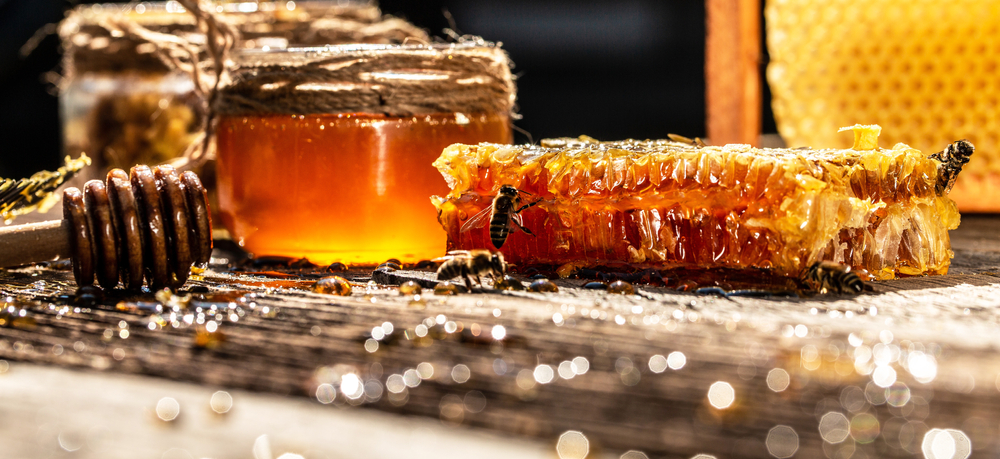
Beekeeping isn’t just a hobby—it’s a way of life for thousands of people who care about nature, sustainability, and the fascinating world of bees. Whether you’re a backyard beekeeper with a single hive or you’re planning to expand into a small-scale honey operation, having the right beekeeping supplies and access to healthy queen bees for sale is essential.
In this guide, we’ll walk you through everything you need to know—from the essential gear to the heart of the hive: the queen bee. Let’s dive in.
Why Beekeeping is Growing in Popularity
More and more people are turning to beekeeping—and it’s not hard to see why. Bees are responsible for pollinating about one-third of everything we eat. Without them, our food supply would suffer. But there’s more to beekeeping than just helping the environment. Many people love the calm, meditative work of caring for bees. Plus, who doesn’t love jars of golden, home-harvested honey?
If you’re ready to take the plunge, the first step is making sure you have the right supplies and bees.
Essential Beekeeping Supplies You’ll Need
Before you welcome your bees home, you need the proper equipment. Think of it like setting up a house—you want everything in place so your bees feel safe and productive.
1. Beehive Kits
This is where your bees will live. Most beekeepers use Langstroth hives, which include boxes (called supers), frames, and a bottom board. For beginners, a complete hive kit is a smart purchase—it usually comes pre-assembled and painted.
2. Protective Gear
Bees are gentle by nature, but protection is still a must. Basic gear includes:
- A full bee suit or jacket
- Gloves
- A veil or helmet with netting
This gear ensures you can inspect your hive safely and confidently.
3. Smoker
A bee smoker is one of the most important tools in your beekeeping kit. A few puffs of smoke calm the bees, making hive inspections easier and less stressful for everyone involved.
4. Hive Tool
This handy metal tool helps you pry open hive boxes and lift out frames. It’s like a beekeeper’s Swiss army knife.
5. Bee Brush
A soft brush lets you gently move bees without harming them. It’s especially helpful when you’re harvesting honey.
6. Feeders
When nectar is scarce—especially in early spring or late fall—feeders provide a sugar-water solution to help your bees stay healthy and strong.
7. Queen Excluder
This device keeps the queen out of the honey supers so she doesn’t lay eggs there, ensuring your honey remains brood-free and clean.
Queen Bees for Sale: Why the Queen Matters
The queen bee is the heart and soul of the hive. She lays up to 2,000 eggs a day and controls the mood, productivity, and population of the colony. Without a healthy, productive queen, your hive simply won’t thrive.
That’s why finding the right queen bees for sale is a big deal—especially if you’re starting a new hive or requeening an existing one.
Types of Queen Bees
When browsing queen bees for sale, you’ll likely come across different types:
1. Italian Queens
Known for their gentle temperament and strong honey production, Italian queens are the most popular choice for beginners.
2. Carniolan Queens
These queens are cold-hardy and good at adjusting their population based on nectar availability. They’re also very gentle and easy to manage.
3. Russian Queens
Resistant to pests like the Varroa mite, Russian queens are a great option for more experienced beekeepers looking for naturally strong genetics.
Marked vs. Unmarked Queens
Most suppliers offer the option of a marked queen. This simply means she has a small dot of non-toxic paint on her thorax, making her easier to find during hive inspections.
Where to Buy Quality Queen Bees
When looking for queen bees for sale, always go with a reputable breeder or supplier. Here are a few things to look for:
- Live arrival guarantee: Since queens are shipped in special cages with attendants, a good seller will ensure she arrives alive and healthy.
- Breed details: Reputable sellers are transparent about genetics, temperament, and health.
- Customer reviews: See what other beekeepers have said about their experience.
Local beekeeping associations can also be a good source for referrals.
Tips for Introducing a New Queen
Once your queen bee arrives, introducing her properly is key to acceptance by the colony. Here’s how to do it:
- Leave her in the cage: Place the queen cage between two frames inside the hive. Make sure the candy plug is accessible.
- Wait and observe: In 3-5 days, the bees will chew through the candy and release her naturally.
- Check for acceptance: After a week, check to see if she’s laying eggs. If yes, she’s been accepted!
Avoid rushing the process. A slow and steady introduction increases the odds of success.
Final Thoughts: Start Strong, Stay Curious
Beekeeping is both rewarding and humbling. Every hive has its own personality, and every season brings new lessons. With the right beekeeping supplies and a healthy queen bee, you’re off to a solid start.
If you’re still exploring whether beekeeping is for you, don’t hesitate to connect with a local beekeeper, take a class, or read up on bee biology. The more you understand the amazing world of bees, the better beekeeper you’ll become.