Dead Short Electrical Explained for Homeowners in Simple Terms
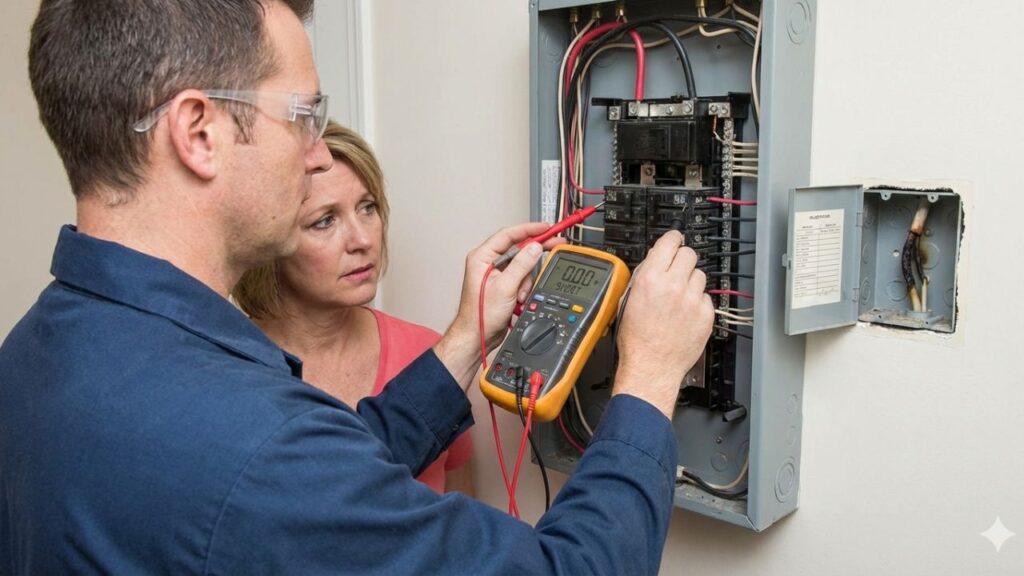
As a homeowner, you’re used to day-to-day issues like dripping taps or slow drains. Electrical problems can feel more intimidating—and for good reason. One of the most serious faults you can experience is a Dead Short Electrical. Even though the term sounds technical, the concept is simple once you understand how electricity normally flows in your home.
Just like you’d call a Blocked Drain Plumber in Adelaide for an urgent plumbing problem, knowing when to call a licensed electrician for an electrical fault is essential for keeping your home safe.
What Is a Short Circuit?
In a normal circuit, electricity follows a controlled path:
- it travels through a “hot” (active) wire to power a device (like a toaster or light)
- then returns through a “neutral” wire
That complete loop is what makes your appliances work safely.
A short circuit happens when electricity finds an unintended shortcut back to neutral or earth (ground). Instead of flowing through the intended device, the current takes a faster path. This can cause:
- a sudden surge of electricity
- heat buildup
- sparks or arcing
- circuit breaker trips (as a safety response)
What Makes a Dead Short Different?
A Dead Short Electrical. is the most extreme type of short circuit.
It occurs when the hot wire touches neutral or earth with almost no resistance between them. Because resistance is so low, the current spikes instantly. Your circuit breaker (or fuse) is designed to shut it down immediately to prevent overheating and fire.
That’s why the word “dead” is used—the circuit loses power straight away.
Common Causes of a Dead Short
Dead shorts usually happen because something has worn out, moved, or failed inside the electrical system.
1) Damaged Wire Insulation
Wires have a protective coating. Over time, insulation can break down due to age, heat, moisture, or pests chewing on it. Once the copper is exposed, wires can touch and create a dead short.
2) Loose Connections
Connections behind outlets, switches, or junction boxes can loosen over time. If the hot wire shifts and touches neutral or earth, it can trigger an instant fault.
3) Faulty Appliances
Sometimes the wiring in the home is fine—but the problem is a plug-in appliance. If an appliance has internal damage, a short can occur the moment you switch it on, or even when you plug it in.
Signs You May Have a Dead Short
A dead short tends to be obvious because it happens quickly and forcefully. Watch for these warning signs:
- Sudden loss of power on one circuit (lights or outlets stop instantly)
- Circuit breaker trips immediately and won’t stay on
- A loud pop or bang near an outlet, switch, or appliance
- Burning smell or smoke (especially near power points or cords)
If you smell burning plastic or see smoke, treat it as urgent.
What to Do If You Suspect a Dead Short
Your priority is safety. Don’t treat this like a DIY job.
Safe steps you can take:
- Leave the breaker OFF if it trips. Don’t keep resetting it.
- Unplug devices on the affected circuit (only if safe to do so).
- Avoid touching the outlet/switch if there’s heat, smoke, or burning smell.
If the breaker trips again immediately after resetting, stop and call a professional.
When to Call a Professional
If any of the signs above happen, it’s time to call a licensed electrician. Electrical faults can escalate quickly, and incorrect troubleshooting can increase fire and shock risk.
Think of it the same way you would a serious plumbing issue: you wouldn’t try to fix a collapsed pipe yourself—you’d call a Blocked Drain Plumber in Adelaide. Electrical faults deserve the same approach: quick action and qualified help.
How to Prevent Shorts in the Future
You can’t prevent every fault, but these habits reduce the risk:
- schedule electrical inspections, especially in older homes
- stop using appliances with frayed cords or damaged plugs
- avoid overloading power boards and outlets
- replace cracked or loose outlets and switches promptly
Prevention is almost always cheaper (and safer) than emergency repairs.
Conclusion
A Dead Short Electrical. issue is a serious fault where electricity takes a direct shortcut, causing a sudden current surge that trips the breaker immediately. Understanding the signs helps you react safely—by switching off the circuit, avoiding repeat resets, and calling a licensed electrician.
If you’re ever unsure, don’t take chances. Electrical safety is one area where professional diagnosis is the smartest decision.