Cold Plunge Tubs for Home: What You Actually Need to Know Before Making a High-Ticket Recovery Investment
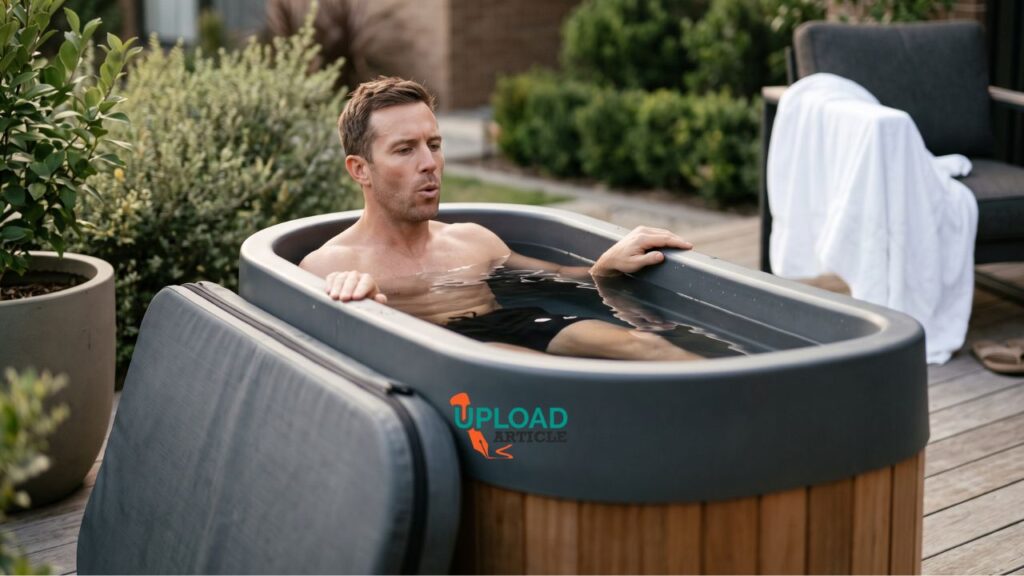
The cold plunge tub has gone from professional sports facility equipment to one of the most sought-after items in home wellness. But the surge in demand has produced a market full of options that vary enormously in what they actually deliver – and at price points that make a wrong decision genuinely costly. Before you buy cold plunge tub for home, understanding what the technical specifications actually mean in real-world use is the difference between an investment that transforms your recovery routine and one that underwhelms from the first session.
Cold water immersion produces real, well-documented physiological effects. The vasoconstriction response, the vagus nerve activation, the catecholamine release, and the anti-inflammatory effects of regular cold exposure are established in the sports science literature. What is less consistently understood by buyers entering this market for the first time is that these effects are dose-dependent – they depend on the temperature being right, being consistent, and being maintained throughout the session. Equipment quality is not incidental to the outcome. It is the mechanism.
The Temperature Control Question That Decides Everything
The most important specification in any home cold plunge tub is the chilling system’s ability to reach and hold your target temperature. Most athletes target between 50 and 59 degrees Fahrenheit for performance recovery cold immersion. Some protocols use the mid-40s for shorter durations. What matters is not the specific target but whether your equipment can hit it reliably and hold it from the first minute of immersion to the last.
Active chilling systems in quality cold plunge tubs use refrigeration technology similar in principle to a household appliance compressor. The chiller draws heat continuously from the water and maintains the set temperature regardless of ambient conditions, session duration, or body heat from the user. Passive cooling methods – ice, unregulated water chillers, or freezer-cooled water – cannot maintain this consistency. If the cold stimulus varies significantly between and within sessions, the progressive cold adaptation that produces the nervous system and recovery benefits of regular cold plunge practice is compromised.
Chiller Capacity and What It Means for Your Use Case
Chiller capacity – typically rated in BTUs or horsepower – determines how quickly the unit can cool water from ambient temperature to your target, and how well it maintains that target under real session conditions including body heat from the user. Under-capacity chillers may eventually reach your target temperature but cannot maintain it effectively once you enter the water, producing temperature drift during the session. This drift is exactly the problem that active chilling is supposed to solve.
As a general reference, a quality single-user cold plunge tub in a temperate indoor environment typically requires a chilling capacity of at least one-quarter to one-third horsepower to maintain target temperatures effectively. Units intended for two users, outdoor installations in warm climates, or target temperatures below 50 degrees Fahrenheit require proportionally greater chilling capacity. Review the chiller specifications against your intended use conditions before purchasing, not just the target temperature range listed in marketing materials.
Filtration and Water Quality Management
Water at 50 to 60 degrees Fahrenheit is not self-sanitizing. Bacteria can survive and accumulate in this temperature range under regular immersion use conditions. A cold plunge tub used daily without adequate filtration and sanitation develops water quality issues that make continued use unhygienic within days to weeks of first filling. Quality cold plunge tubs include multi-stage filtration – typically a combination of mechanical filtration and UV or ozone sanitation – that manages water quality continuously between sessions.
The practical implication of good filtration is that you can fill your tub and use it for weeks or months without a full water change, as long as the filtration system runs continuously and chemical balance is maintained within recommended parameters. Poor filtration means frequent full water changes – a time-consuming, water-wasteful maintenance burden that reduces how consistently you actually use the unit. Ask specifically about filtration system specifications and recommended water change frequency before purchasing any home cold plunge tub.
Sizing for Full-Body Immersion Quality
A cold plunge tub that does not allow full-body immersion from shoulders to feet defeats much of its purpose. The full-body vasoconstriction response that produces the strongest anti-inflammatory and nervous system effects requires immersion from the upper chest to the feet at minimum, and ideally from the neck to the feet. Units that are too short force the user to choose between submerging the core or the legs but not both – a compromise that reduces the quality of the physiological stimulus significantly.
Before purchasing, measure your height from feet to shoulders and compare it to the unit’s interior length. You want enough internal length to extend your legs fully or with a comfortable bend while keeping your shoulders submerged. Interior width should be enough to position your arms comfortably at your sides without forcing them above the water surface. Stepping into a cold plunge tub and needing to contort yourself to fit reduces both the session quality and the psychological willingness to use the unit consistently.
Installation Requirements to Confirm Before Purchase
A home cold plunge tub requires three infrastructure elements: a water supply for filling, a drain for water management, and an electrical connection for the chilling unit. The chilling unit’s electrical requirements vary by model – most quality home units run on a standard 120-volt outlet, while higher-capacity units may require 240 volts. Confirm the specific electrical requirement of your target model and verify that your intended installation location has an appropriate outlet within practical cable distance.
The drain requirement is worth planning carefully. Full water changes require draining the tub completely, and the volume of water in a cold plunge tub – typically 100 to 300 gallons depending on size – needs somewhere to go. A floor drain near the installation location is the most practical solution. Without a drain, water changes require pumping water out manually with a submersible pump, which adds time and effort to an already infrequent but necessary maintenance task.
What to Expect From Your First 30 Days
Cold plunge adaptation is real and happens faster than most first-time buyers expect. The initial cold shock breathing response – the involuntary gasp that accompanies first immersion – typically normalizes within the first three to five sessions for most users. By the end of the first two weeks of regular use at three to five sessions per week, most users report that the immersion experience has shifted from physically demanding to physiologically invigorating.
The recovery benefits typically become noticeable within the first two to three weeks of consistent use. Reduced next-day muscle soreness following hard training sessions, improved sleep quality in the nights following cold plunge sessions, and a generally improved sense of physical alertness and mood regulation are the most commonly reported early benefits. The nervous system resilience benefits – improved stress response, better emotional regulation under pressure – tend to become apparent after four to six weeks of consistent practice at adequate frequency.
For buyers ready to invest in a home cold plunge tub that delivers on the recovery promise rather than approximating it, Dialed Labs offers cold plunge systems engineered with active temperature control, integrated filtration, and the structural durability that makes consistent, high-quality cold immersion a realistic part of your daily recovery routine for the long term.
Frequently Asked Questions
How long should I stay in a cold plunge tub per session?
Starting with 2 to 3 minute sessions is appropriate for most beginners and allows progressive cold adaptation without excessive stress. Experienced practitioners commonly extend to 5 to 10 minutes depending on water temperature and recovery goals. Duration and temperature interact – a colder temperature warrants a shorter duration, while a moderate temperature can be maintained for longer to achieve a comparable physiological stimulus. Listen to your body and build duration progressively rather than pushing to maximum duration immediately.
Can I use a cold plunge tub every day?
Daily cold plunge use is common among serious athletes and wellness practitioners and is generally safe for healthy adults. Most people find that daily use accelerates cold adaptation and produces more consistent recovery benefits than less frequent sessions. Building to daily use gradually over two to three weeks rather than immediately is recommended, particularly for beginners whose cold shock response may be pronounced in early sessions. Consult a healthcare provider before daily cold immersion if you have cardiovascular conditions or other health concerns.
What is the difference between a cold plunge tub and a chest freezer conversion?
Chest freezer conversions are a popular DIY cold plunge alternative that can achieve cold temperatures, but they lack the integrated filtration, precise digital temperature control, and purpose-built immersion design of a dedicated cold plunge tub. The interior of a chest freezer is not designed for human immersion and may have rough surfaces, sharp edges, or chemical coatings not intended for contact with the body and water simultaneously. A dedicated cold plunge tub addresses all of these limitations with purpose-designed engineering.
How much water does a typical home cold plunge tub hold?
Home cold plunge tubs typically hold between 100 and 300 gallons of water depending on their interior dimensions and design. Single-user units with a compact footprint generally fall in the 100 to 175-gallon range, while larger two-person capable units may hold 200 to 300 gallons. The water volume affects how long the unit takes to chill from fill temperature to your target, how much the temperature is affected by body heat during immersion, and how much water you manage during periodic full changes.
Is a cold plunge tub safe for people with heart conditions?
Cold water immersion produces a meaningful cardiovascular stress response that can be contraindicated for people with certain heart conditions, uncontrolled hypertension, Raynaud’s syndrome, or other cardiovascular concerns. Anyone with a known or suspected cardiovascular condition should consult their physician before beginning cold plunge practice. This is not a casual recommendation – the vasoconstriction and heart rate changes triggered by cold immersion are significant enough to warrant genuine medical guidance for individuals with relevant health histories.