Eco-Friendly DIY Carport Solutions for Homes
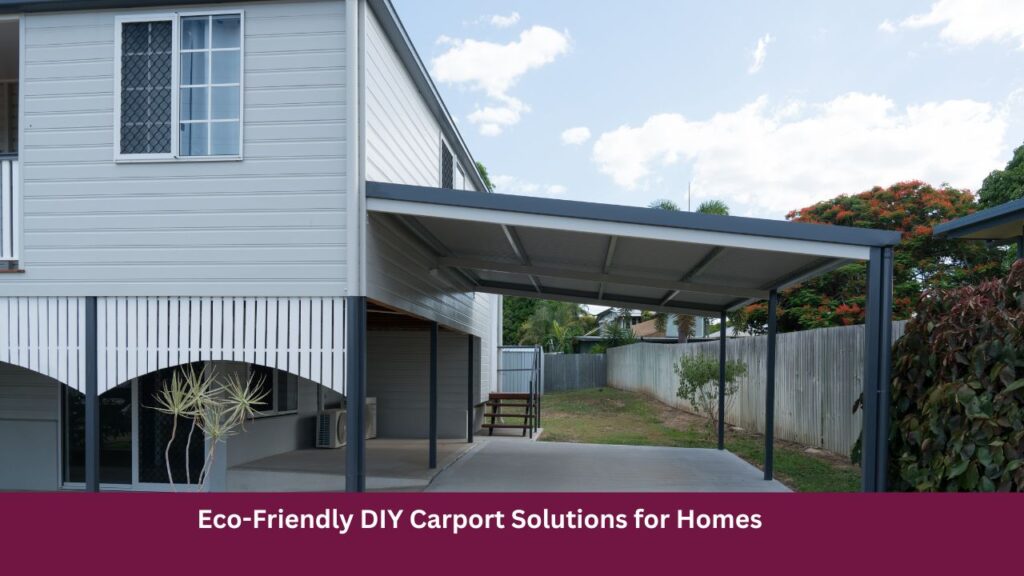
As urban living advances and climate change becomes more pressing, sustainable home solutions are more than just a trend—they’re essential. For Brisbane homeowners, where the subtropical weather can be unpredictable, finding eco-friendly ways to protect vehicles is both practical and smart. Enter the concept of eco-friendly DIY carports, which combine functionality, sustainability, and cost-efficiency. Whether you’re an eco-conscious individual or a hands-on DIY enthusiast, this guide will help you explore how to create the perfect carport for your Brisbane home.
The Need for Carports in Brisbane
Brisbane’s warm climate, periodic heavy rainfall, and scorching summer heat can quickly wear down your vehicle if it’s left exposed. Prolonged exposure to such weather conditions often leads to faded paint, cracked interiors, and potential engine damage. A sturdy, thoughtfully designed carport provides the shade and protection your vehicle needs to counter Brisbane’s elements.
But why stop at traditional carports? By choosing eco-friendly options, you can take protection a step further, safeguarding both your car and the environment.
Traditional vs. Eco-Friendly Carports
Traditional carports have long relied on materials like steel, aluminum, or plastics. While durable, these materials often come with a heavy environmental cost. Conventional construction methods tend to consume large amounts of energy, with significant emissions linked to material production and transport.
On the other hand, eco-friendly carports offer sustainable alternatives. These designs integrate materials like reclaimed wood or recycled metals while incorporating solar panels and natural ventilation systems. The result? Lower environmental impact and a cleaner conscience. For Brisbane homeowners in particular, eco-friendly solutions align with a growing trend toward environmentally sustainable property upgrades.
Key Differences:
- Materials
- Traditional: Primarily concrete, steel, and plastics.
- Eco-Friendly: Recycled wood, bamboo, or sustainable textiles.
- Design
- Traditional: Focused solely on durability.
- Eco-Friendly: Combines durability with energy efficiency, using designs that balance form and function.
- Environmental Impact
- Traditional: High carbon footprint.
- Eco-Friendly: Reduced emissions via sustainable choices.
Benefits of Eco-Friendly Carports
If sustainability alone isn’t enough to sway you, the practical benefits might be. Eco-friendly carports tick boxes for design-conscious Brisbane homeowners and forward-thinking individuals who value both innovation and the planet.
Top Advantages:
- Energy Efficiency
Many eco-friendly carports come equipped with solar panels, allowing you to harness Brisbane’s abundant sunlight. These panels can generate electricity for your home, cutting long-term energy costs.
- Reduced Carbon Footprint
Using recycled and sustainable materials minimizes waste during construction.
- Durability with Reduced Upkeep
Materials like bamboo or treated reclaimed wood may require minimal maintenance, reducing your load over time.
- Higher Property Value
Sustainable features are increasingly attractive to buyers, enhancing your home’s resale appeal.
- Community Impact
Choosing eco-friendly builds supports Brisbane’s sustainable development goals and reinforces eco-conscious practices in your community.
DIY Eco-Friendly Carport Solutions
Building your own carport combines creativity with cost savings. If you’re considering a personalized touch, here’s a step-by-step guide for a DIY carport in Brisbane.
Step 1: Start with a Plan
Determine how large your carport should be. Measure the size of your vehicle and assess the available space in your yard or driveway. Sketch a simple design to help visualize your project.
Step 2: Select Sustainable Materials
Opt for materials like reclaimed wood, bamboo, or recycled steel for the frame. Consider using Cantaport – inspired designs—lightweight yet durable structures suitable for DIY assembly.
Step 3: Choose Your Covering
Install a UV-resistant, eco-friendly roof material. Polycarbonate sheets or solar panels are excellent options for Brisbane’s sunny weather.
Step 4: Assemble the Frame
Follow your design plan to set up the frame securely. Ensure it’s bolted and reinforced to withstand Brisbane’s strong winds.
Step 5: Install the Roof
Attach your selected roofing material. If you’ve chosen solar panels, ensure they’re properly wired to your home grid.
Step 6: Add Optional Sustainability Features
- Rainwater collection systems to store rainfall from the carport roof.
- Climbing plants or vines for natural shade and improved aesthetics.
By combining these steps, you’ll have a carport that blends functionality with sustainability tailored to Brisbane’s unique climate.
Cost Considerations
While eco-friendly carports may involve a higher initial investment than traditional options, they offer significant long-term savings. Here’s a quick breakdown:
- Upfront Costs
Reclaimed materials or eco-conscious items may cost slightly more upfront. However, affordability improves when you source locally available suppliers in Brisbane.
- Energy Savings
If equipped with solar panels, many DIY carports in Brisbane can start reducing energy costs within the first 12 months.
- Maintenance
Eco-friendly designs often use durable, low-maintenance materials, cutting down future repair expenses.
When calculated over time, an eco-friendly carport balances affordability with the priceless benefit of sustainability.
Conclusion
Adding an eco-friendly carport to your Brisbane home is more than just a smart choice—it’s a responsible one. Beyond protecting your vehicle, you’re choosing a solution that enhances your property value, reduces your carbon footprint, and sets an example for sustainable living.