Practical Tips for Returning to Work After Cervical Spine Surgery
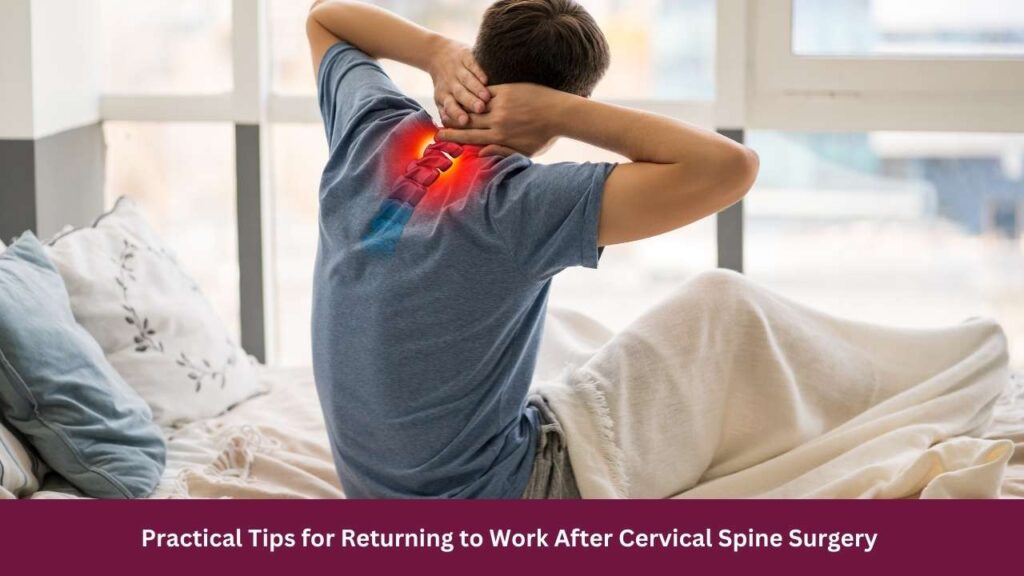
Returning to work after cervical spine surgery can feel overwhelming. Balancing physical recovery with professional responsibilities is a challenge many face. However, with a positive approach and the right strategies, you can make this transition smoother and more manageable.
This blog offers practical, actionable tips—approved by experts and tailored for cervical spine surgery patients. From ensuring medical clearance to making workplace adjustments, this guide covers everything you need to know to ease back into your routine after surgery.
1. Always Get Your Doctor’s Clearance
Before stepping back into the workplace, the most important step is obtaining your doctor’s approval. The specialists at the Adelaide Neurosurgery Centre emphasize that your body needs sufficient time to heal, and pushing yourself too early can jeopardize your recovery.
During your next follow-up, ask your doctor these questions:
- What activities should I limit or avoid at work?
- Are there any exercises I should continue to strengthen my spine?
- How many hours should I work initially?
Trust your surgeon’s advice—they know your medical history and what’s best for your recovery.
2. Focus on Physical Preparation
Your body has just undergone a significant procedure, so returning to peak functionality will take time. Staying consistent with physical therapy exercises prescribed by your healthcare provider can strengthen the muscles supporting your neck and back. The 8 minute rule in physical therapy can help break up exercises into manageable intervals, promoting steady progress without overwhelming your body.
Key tips for physical readiness:
- Engage in gentle stretches and exercises: Physical therapists often recommend neck stretches, posture-strengthening movements, and light aerobic activities for post-cervical spine surgery patients.
- Manage pain effectively: Discuss pain management options with your doctor, whether that’s medication or techniques like heat therapy and relaxation exercises.
The experts at the Adelaide Neurosurgery Centre also suggest scheduling breaks throughout your workday to move around and relax the neck muscles.
3. Ensure Workplace Adjustments Are in Place
An ergonomic work environment is crucial to your recovery. Poor posture or improper equipment can strain your body and delay healing, so thoughtful adjustments in your workspace are a must.
Steps to make your workplace spine-friendly:
- Sit tall with proper lumbar support: Use an ergonomic chair or add lumbar cushions for neck and back support.
- Position screens at eye level: Avoid unnecessary strain by ensuring your computer monitor is directly in front of you at a comfortable height.
- Adjust keyboard and mouse placement: Keep them within easy reach to maintain a neutral hand position and avoid twisting your neck unnecessarily.
For those unsure about workplace modifications, openly communicate with your employer or HR team. Explain your physical limitations and how simple adjustments can benefit both parties.
4. Take Care of Your Mental and Emotional Well-being
Returning to work isn’t just about physical healing—it’s also about addressing the mental and emotional aspects of recovery. There might be anxiety about workload or doubts about your ability to balance work and health.
Here’s how to manage this transition smoothly:
- Start slow: Gradually reintegrate into work with part-time hours, if possible. This gives your body and mind time to adapt.
- Prioritize breaks: Short mental pauses throughout the day can lower stress and boost focus while protecting your healing cervical spine.
- Build a support system: Share your concerns with trusted colleagues, family, or friends. Having a solid support network can alleviate unnecessary stress.
Additionally, mindfulness exercises, such as deep breathing and meditation, can help you stay relaxed and focused in high-pressure situations. Your recovery is as much about mental strength as it is about physical progress.
Conclusion
Navigating life post-cervical spine surgery comes with challenges, but it also presents an opportunity to prioritize your health and make smarter choices. Whether it’s through open discussions with your doctor or small ergonomic changes in your workspace, each step contributes to your healing.