Navigating the Risks and Complications of Cervical Spine Surgery
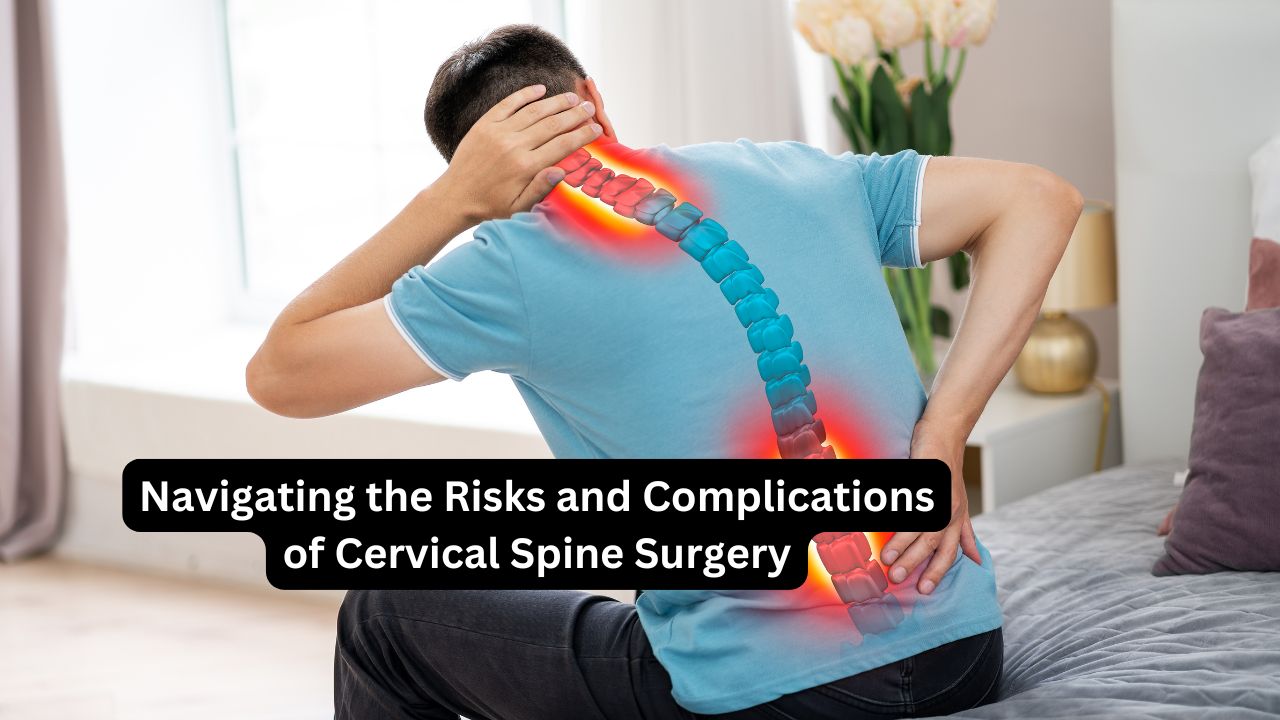
When faced with the prospect of cervical spine surgery, knowledge is your best ally. For patients at the Adelaide Neurosurgery Centre, understanding the potential risks and complications is crucial for making informed decisions about their health. This blog post aims to shed light on these concerns, offering clarity and guidance to residents of Adelaide, neurosurgery patients, and health-conscious individuals.
Understanding the Cervical Spine
The cervical spine, comprising seven vertebrae labeled C1 to C7, is a marvel of structural engineering. It’s responsible for supporting the head, protecting the spinal cord, and allowing a wide range of motion. Conditions like herniated discs, spinal stenosis, and degenerative disc disease often necessitate surgical intervention when conservative treatments fail.
Cervical spine surgery may become necessary to alleviate pain, restore function, or prevent further neurological damage. While surgery can be life-altering in a positive way, it’s essential to approach it with a full understanding of what it entails.
Risks and Complications of Cervical Spine Surgery
Infection
Infections are a risk inherent to any surgical procedure. In cervical spine surgery, the risk of infection can be minimized through sterile techniques, prophylactic antibiotics, and meticulous surgical practices. However, it’s vital to be aware of signs such as redness, swelling, and fever, which may indicate an infection post-surgery.
Nerve Damage
Given the proximity of the cervical spine to the spinal cord and nerve roots, there’s a risk of nerve damage. This can result in symptoms ranging from mild tingling to significant motor or sensory deficits. Advanced imaging and precise surgical techniques at the Adelaide Neurosurgery Centre help mitigate this risk, but it’s crucial for patients to understand and acknowledge the possibility.
Bleeding
Bleeding is another potential complication, although rare. Surgeons take great care to control blood loss during the procedure. Despite these precautions, patients must be monitored for signs of excessive bleeding or hematoma formation after surgery, which may require further intervention.
Failure to Relieve Symptoms
Surgery aims to relieve symptoms, but it doesn’t always guarantee complete resolution. Some patients may continue to experience pain or neurological issues despite a technically successful operation. Setting realistic expectations and discussing potential outcomes with your surgeon is essential.
Instrumentation Failure
Surgical hardware, such as plates, screws, and rods, are often used to stabilize the spine. While rare, there is a possibility of instrumentation failure, leading to instability or the need for revision surgery. Ensuring that top-quality materials and techniques are used can help reduce this risk.
Preparing for Surgery
Importance of a Thorough Consultation
A thorough consultation with your neurosurgeon at the Adelaide Neurosurgery Centre is the first step in preparing for cervical spine surgery. This involves discussing your medical history, current symptoms, and treatment goals. It’s also an opportunity to ask questions and address any concerns you may have.
Pre-Surgery Tests and Evaluations
Pre-surgery tests, such as MRI scans, blood tests, and cardiac evaluations, help create a comprehensive picture of your health. These evaluations ensure that you’re physically prepared for surgery and help the surgical team plan the most effective approach to minimize risks.
Minimizing Risks
The Role of the Patient in Minimizing Complications
Patients play a crucial role in minimizing surgical risks. Adhering to pre-operative instructions, such as fasting, medication adjustments, and smoking cessation, can significantly impact the outcome. Additionally, maintaining a healthy lifestyle, including proper nutrition and exercise, can improve surgical recovery.
Surgeon’s Responsibilities in Ensuring Patient Safety
Surgeons at the Adelaide Neurosurgery Centre are committed to patient safety. This includes employing advanced surgical techniques, using state-of-the-art equipment, and adhering to strict protocols. Ongoing training and collaboration with multidisciplinary teams further enhance the quality of care.
Post-Surgery Care and Recovery
Rehabilitation and Physical Therapy
Rehabilitation is a key component of recovery after cervical spine surgery. Physical therapy helps restore strength, flexibility, and function. Your therapist will design a personalized program tailored to your needs, gradually increasing activity levels to promote healing.
Monitoring for Complications
Post-surgery monitoring is essential to identify and address any complications early. Regular follow-up appointments with your surgeon ensure that your recovery is on track. Be vigilant for any signs of infection, nerve issues, or other concerns, and report them promptly to your healthcare team.
Conclusion
Cervical spine surgery at the Adelaide Neurosurgery Centre offers hope and relief for many patients suffering from debilitating spinal conditions. However, understanding the potential risks and complications is crucial for an informed decision-making process.