Common Myths About Mold Removal: Debunking Misconceptions
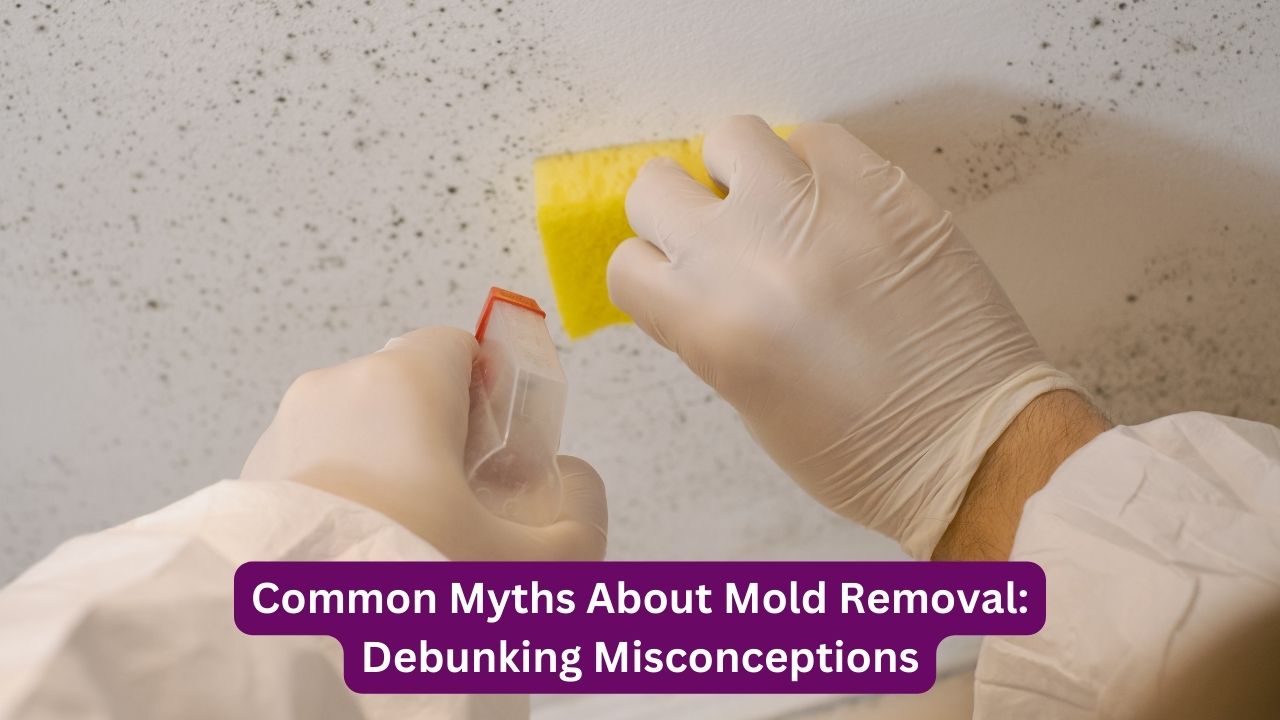
Mold is a common issue that can affect any home, but many homeowners are unaware of the facts about proper mold removal. Misconceptions surrounding mold remediation often lead to inadequate treatment or worsening conditions. For example, it’s commonly believed that a quick scrub with bleach will eliminate mold entirely, but this couldn’t be further from the truth. This post will explore some of the most prevalent myths about mold removal and debunk these misunderstandings to help ensure a safe, mold-free environment for your home. If you’re dealing with mold issues, professional mold removal Staten Island NY from Ace Mold can ensure it’s properly handled.
Myth 1: Bleach Kills All Mold
One of the most widespread misconceptions is that bleach is a one-size-fits-all solution to mold problems. While bleach may be effective at removing mold from non-porous surfaces like tiles or glass, it’s far less effective on porous surfaces such as wood, drywall, or fabric.
- Bleach Can’t Penetrate Porous Materials: On surfaces like wood or drywall, mold typically grows beneath the surface. Bleach may kill the mold spores on the surface, but it can’t reach the mold roots inside the material, leaving the issue unresolved.
- Bleach May Encourage Mold Growth: In some cases, the water content in bleach can actually provide additional moisture that helps mold grow deeper into porous surfaces. While the surface may appear cleaner, mold can continue to thrive below.
Myth 2: Mold Only Grows in Bathrooms
Many homeowners believe that mold is only a problem in wet areas like bathrooms, but mold can grow anywhere moisture is present. Mold needs three things to thrive: moisture, a food source, and the right temperature, unfortunately, these conditions aren’t limited to bathrooms. Mold can appear in any part of your home where moisture accumulates, and it’s important to stay vigilant about damp conditions in unexpected places.
- Kitchens: The heat and moisture generated from cooking and dishwashing create a perfect environment for mold growth, especially if ventilation is poor.
- Basements: Basements are prone to dampness due to inadequate insulation, leaking pipes, or high humidity levels, making them a breeding ground for mold.
- Attics: Leaks in the roof, poor ventilation, or condensation buildup can lead to mold growth in attics, even though they are far from the typical “wet areas” like bathrooms or kitchens.
Myth 3: Small Mold Spots Aren’t Harmful
Some homeowners may think that a small mold spot here or there is harmless, but even small patches of mold can lead to larger problems. Mold spores are microscopic and can spread quickly, turning a small issue into a widespread infestation.
- Health Risks: Even small amounts of mold can cause health issues, particularly for individuals with asthma, allergies, or weakened immune systems. Symptoms such as coughing, sneezing, and skin irritation can arise from even minor mold exposure.
- Mold Spreads Fast: Mold doesn’t stay confined to one area. Spores can become airborne, traveling to other areas of the home where they may find moisture and continue growing. What starts as a small patch can quickly spread to walls, carpets, or HVAC systems.
Myth 4: Mold Won’t Return Once It’s Gone
Many homeowners believe that once they’ve removed mold, it’s gone for good. Unfortunately, mold is notorious for returning, especially if the root cause of the problem—usually moisture—is not addressed. Proper remediation includes eliminating the source of moisture to ensure mold doesn’t come back.
- Moisture is the Key: Mold can only grow where there is moisture, so if the moisture issue is not resolved, mold will likely return. This might involve fixing leaks, improving ventilation, or addressing high humidity levels.
- Surface-Level Cleaning Isn’t Enough: Even if the mold seems to be gone from the surface, hidden mold can continue growing inside walls or under floors if the moisture issue persists. Mold removal must include fixing any leaks or humidity problems to prevent future growth.
Myth 5: DIY Solutions Are Always Enough
Many homeowners attempt to remove mold using DIY methods or store-bought products, thinking they can handle the problem on their own. However, DIY mold removal is rarely enough for severe infestations and can even worsen the situation.
- Incomplete Removal: Most DIY products only remove mold on the surface. Without proper tools and expertise, homeowners may miss hidden mold or fail to fully eradicate it, allowing it to spread again later.
- Health Risks During Cleanup: Disturbing mold during a DIY cleanup can release harmful spores into the air, increasing the risk of respiratory issues for you and your family. To properly confine and eradicate mold, professionals employ specialized equipment.
- Lack of Long-Term Solutions: While DIY methods may offer temporary relief, they rarely address the underlying causes of mold, such as moisture buildup. Professional services not only remove the mold but also identify and fix the conditions causing it.
Conclusion
Understanding the facts about mold removal is crucial for maintaining a healthy home. From dispelling the myth that bleach can kill all mold to recognizing that even small mold spots can be harmful, proper mold remediation is about more than just surface cleaning. Mold can grow anywhere moisture is present, and DIY solutions are often insufficient for severe problems. It’s important to seek professional help to ensure the mold is fully removed and doesn’t return. If you’re facing a mold issue, trust a mold inspection NYC service from Ace Mold to provide expert solutions for mold removal that keep your home mold-free and your family safe.