Creating a Cleaning Schedule That Works for You
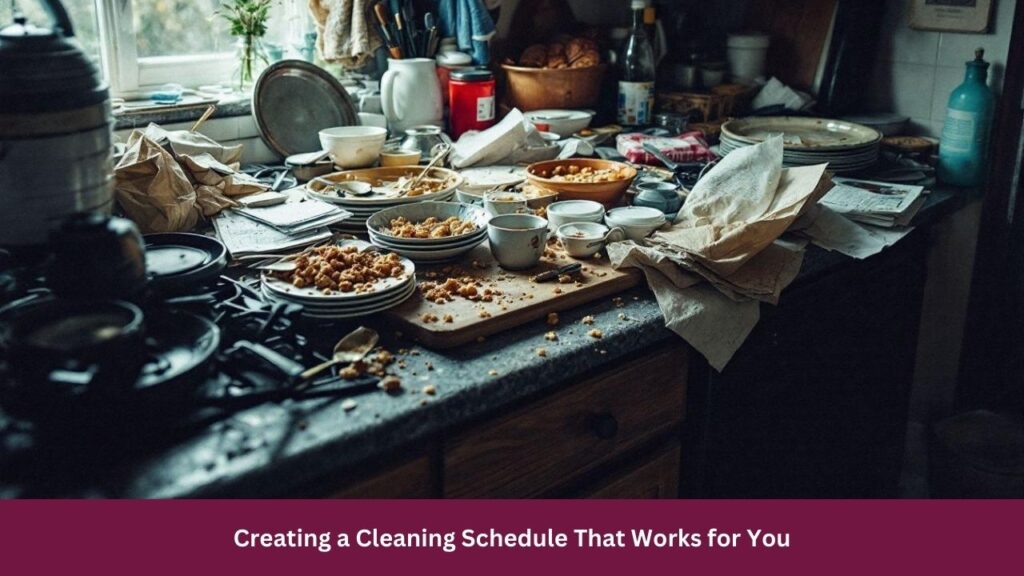
Keeping a clean house can feel overwhelming. Many people don’t know where to start. This post will teach you how to make a cleaning schedule that fits your life. Keep reading to find out how.
Steps to Build a Cleaning Schedule

Creating a cleaning schedule that works for you starts with knowing what needs cleaning. Next, write down all the tasks for each room and sort them by how often they need to be done.
Identify Your Cleaning Needs
Every home is different. Your cleaning needs depend on the size of your house, how many people live there, and your daily activities. If you have kids or pets, you might need to clean more often. Think about what areas get dirty fast and what tasks are important for keeping your home healthy.
List all the rooms in your house and note what needs regular cleaning. This could be dusting furniture, vacuuming floors, or wiping down kitchen counters. Be honest about what you can handle each week.
List All Cleaning Tasks in Each Room
Creating a cleaning schedule that works for you is about managing your household chores efficiently. Knowing what needs to be done in each room helps.
- Bedroom: Change the bed sheets weekly. Keep clothes off the floor daily.
- Bathroom: Scrub the toilet and shower once a week. Wipe the mirror and sink daily.
- Kitchen: Clean the microwave inside every week. Wipe down countertops daily.
- Living Room: Dust surfaces, like tables and TV stands, weekly. Tidy up clutter every day.
- Dining Area: Wipe the table after each use. Sweep or vacuum under the table twice a week.
- Laundry Room: Clean lint from dryer with every use. Wipe washing machine exterior weekly.
- Entryway: Organize shoes and coats daily. Sweep or vacuum this area twice a week.
- Windows: Clean windows inside monthly. Wipe down window sills weekly.
- Floors: Vacuum carpets in high traffic areas daily. Mop hard floors once a week.
This list ensures you cover all essential cleaning tasks throughout your home, making your routine manageable and your living space tidy.
Group Tasks by Frequency (Daily, Weekly, Monthly)
Grouping your cleaning tasks by frequency helps keep your home tidy without feeling overwhelmed. Here’s how to sort them:
| Frequency | Tasks |
| Daily | Clear counters and surfaces, Sweep or vacuum high-traffic areas, Run the dishwasher or clean the sink |
| Weekly | Dust all surfaces, Clean bathrooms, Mop floors |
| Monthly | Clean the oven, Wash windows, Deep clean the refrigerator |
This setup makes it easy to know what needs cleaning and when. Now, let’s look into what daily cleaning tasks involve.
Daily Cleaning Tasks
Keeping your house tidy each day doesn’t have to be a big project. Focusing on simple habits can make a huge difference in maintaining cleanliness.
Clear Counters and Surfaces
Keeping counters and surfaces clean is vital in a daily cleaning routine. Wipe them down every day to remove crumbs, spills, and dust. This simple task stops germs from spreading and keeps your home looking tidy. A clean surface is the foundation of a stress-free home.
Using a damp cloth with mild soap makes this job quick and easy. It also prepares these areas for food preparation or other activities safely.
Sweep or Vacuum High-Traffic Areas
Sweeping or vacuuming high-traffic areas is a must-do every day. Areas like kitchens, hallways, and living rooms get dirty fast because people walk through them a lot. By keeping these spots clean daily, your home will look neat and you’ll avoid big messes later on. Use a broom for hard floors and a vacuum for carpets to pick up dirt, dust, and crumbs.
Make sure to move small furniture now and then to clean underneath. This stops dust bunnies from gathering in corners or under things where they’re hard to see. Cleaning these areas won’t take much time but makes a big difference in how your house looks and feels.
Run the Dishwasher or Clean the Sink
Make sure to run the dishwasher every day if you use it often. This keeps dirty dishes from piling up and keeps your kitchen looking neat. If you don’t have a dishwasher, take some time each day to wash any dishes in the sink by hand. Dry them and put them away right after washing. This habit stops clutter and makes your kitchen more inviting.
Use hot water and soap to clean your sink after doing the dishes. A clean sink can help stop germs from spreading in your kitchen. Wipe down the faucet and handles too, since they get touched a lot. Keeping this area clean is part of a good daily cleaning routine that helps keep your home healthy and tidy.
Weekly Cleaning Tasks
For weekly cleaning tasks, focus on areas that collect more dust and dirt throughout the week. This keeps your space fresh and inviting. To learn how to make this part of your routine, keep reading!
Dust All Surfaces
Dust gathers fast on tables, shelves, and other surfaces in your house. It’s important to wipe these areas every week to keep dust from building up. Use a damp cloth or a microfiber duster. This removes dust and prevents it from floating back down.
A clean surface is the sign of a healthy home. After dusting, make sure to clean your cleaning tools. This keeps them ready for next time and stops dust from spreading around your home again.
Clean Bathrooms
After dusting all surfaces, the next step is cleaning bathrooms. This includes scrubbing the toilet, cleaning the sink, and wiping down mirrors. You should also clean the bathtub or shower.
Use a good cleaner for tiles and glass to prevent mold and soap scum build-up. Make sure to replace towels with fresh ones and restock toiletries if needed. Cleaning your bathroom weekly keeps it hygienic and welcoming for family members and guests alike.
Mop Floors
Mop floors every week to keep your home clean. First, pick the right mop for your floor type. There are many mops out there, like sponge mops for tile and microfiber ones for wood. Make sure you use a cleaner that’s safe for your floors too. Some need just water; others might need a special cleaning solution.
Before you start, sweep or vacuum to remove dirt and dust. This step helps prevent scratches on your floor when you mop. Then fill a bucket with hot water and add the appropriate amount of cleaner if needed.
Mop in sections, rinsing the mop often to avoid spreading dirty water around. Let the floor air dry or use a clean towel to dry it faster, especially on wood floors that can be damaged by too much water.
Tips to Stay Consistent
To keep your cleaning schedule on track, picking tools that fit your lifestyle is key. Whether it’s a planner or an app, the right choice can boost your motivation to stick with your cleaning routine.
Use a Planner or Digital App
Using a planner or digital app helps you keep track of your cleaning schedule. You can write down or type all your tasks and set reminders for daily, weekly, or monthly chores. This method makes it easy to see what you need to do next. It also lets you adjust the plan as needed without hassle.
Choose an app that fits your lifestyle. Some apps let you share tasks with others in your house. This way, everyone knows what they’re responsible for doing. Planners are also great because they give you a clear view of your progress over time.
Schedule Tasks Around Your Lifestyle
Make your cleaning schedule fit your daily life. Think about when you have the most energy during the day. If you’re a morning person, plan to do some quick tasks like making the bed or clearing countertops in the morning.
For those who have more time and energy in the evening, save bigger tasks, such as vacuuming or laundry, for then. Also, consider how busy your week is—you might do bigger cleaning jobs on weekends when you’re not working.
If you’re struggling to keep up with home maintenance, consider professional help. Services like Kura Home maintenance offer expert solutions for routine home upkeep, ensuring your space stays clean and organized without adding extra stress to your schedule.
To keep up with your cleaning routine without getting tired, match tasks with your natural habits and free time. For example, if you watch TV in the evening, fold laundry at the same time. Or clean the bathroom right after your morning shower while it’s still steamy and easier to clean. This way, cleaning feels less like extra work and more like part of what you already do every day.
Conclusion
Creating a cleaning schedule helps you stay on top of housework without feeling overwhelmed. By setting up tasks for each day, week, and month, your home stays clean with less effort.
This plan fits into any lifestyle, making cleaning manageable. It turns chores into simple habits. So, you keep your space tidy while having time for other things in life.