Designing Porches for All Seasons: Comfort, Protection, and Style
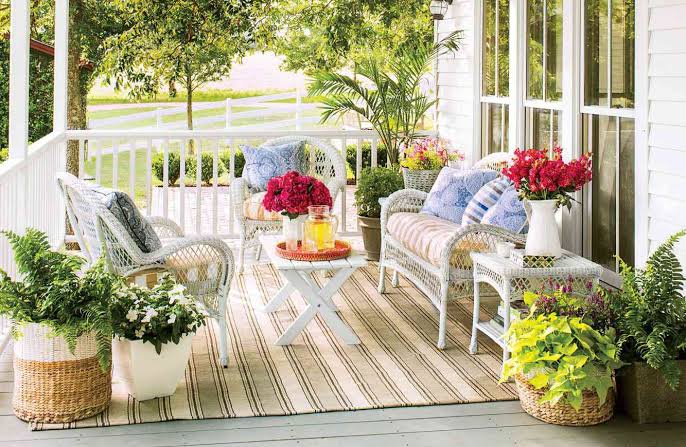
The concept of a porch has evolved well beyond a quaint front stoop with a swing. Today’s porches are multifunctional spaces that offer year-round comfort, enhance curb appeal, and even increase the value of a property. Whether it’s sipping iced tea in the summer, reading during fall breezes, or staying dry on a rainy spring day, a well-designed porch can serve as both a protective barrier and a stylish extension of the home.
More than a decorative feature, porches play a functional role in shielding the main entry from weather, supporting roofing transitions, and enhancing overall exterior cohesion. With thoughtful planning and attention to materials, homeowners can create porches that thrive in every season.
What Makes a Porch Truly All-Season?
To function effectively year-round, a porch must combine weather protection, smart design features, and durable materials. Key components include:
- A covered structure that provides shade and shelter.
- Weather-resistant materials such as composite decking and sealed railings.
- Proper drainage and flashing to prevent water damage.
- Strategic lighting and heating to adapt to seasonal changes.
The goal isn’t to eliminate nature, but to create a space that makes being outdoors more enjoyable—regardless of the time of year.
Porch Design Elements That Make a Difference
1. Roofing Integration
Porch roofs must align both stylistically and functionally with the home’s main roofing system. This helps with water runoff, insulation, and aesthetic flow. Common roof styles for porches include:
- Gable Roofs: Offers a high ceiling and symmetrical look.
- Shed Roofs: Sloped in one direction, ideal for additions.
- Hip Roofs: Offers stability and a unified look with homes that have complex rooflines.
Proper flashing and gutter systems are crucial to prevent leaks where the porch roof meets the home.
2. Flooring and Decking Choices
Porch flooring takes a beating from foot traffic, moisture, and temperature swings. Durable and weather-resistant decking materials are key:
- Composite Decking: Low maintenance and rot-resistant.
- Pressure-Treated Wood: Economical and treated for weather endurance.
- PVC or Vinyl Decking: Impervious to moisture, ideal for wet climates.
These materials also contribute to energy efficiency by preventing moisture intrusion beneath the porch that could affect insulation and the home’s foundation.
3. Railings and Columns
Aside from structural support, railings and columns define a porch’s style. Options range from modern aluminum railings to classic wood balusters and stone-wrapped posts.
Make sure that materials used are sealed or powder-coated to resist UV damage and moisture rot.
Using Siding to Blend or Contrast Porch Design
The way siding interacts with a porch is pivotal in determining overall curb appeal. It can either match the home’s existing siding or provide contrast for visual interest. For example:
- Horizontal lap siding paired with vertical porch elements creates dimension.
- Stone or brick veneer on lower porch columns adds texture and visual weight.
Fiber cement and vinyl siding are both great choices for homes with porches, offering weather resistance and aesthetic flexibility.
Making Porches Functional in All Climates
To make a porch usable in a variety of weather conditions, it needs to do more than just look good. Here’s how to adapt a porch to perform across the seasons.
Summer: Beat the Heat
- Ceiling Fans: Improve airflow and keep mosquitoes at bay.
- UV-Blocking Curtains or Shades: Offer privacy and reduce sun exposure.
- Reflective Roofing Materials: Help reduce heat buildup.
Autumn: Embrace the Chill
- Add Weather-Resistant Rugs: Keep feet warm and soften the space.
- Enclose with Screens or Clear Panels: Block wind without closing off the space.
- Layer Lighting: Add lanterns or string lights for cozy ambiance.
Winter: Keep It Cozy
- Infrared Heaters or Fire Tables: Add warmth and extend use.
- Insulated Roofing or Ceiling Panels: Trap heat and reduce condensation.
- Slip-Resistant Flooring: Important when temperatures drop and ice may form.
Spring: Prepare for Showers
- Integrated Gutter Systems: Prevent water runoff from damaging the porch edge.
- Drainage Channels: Maintain dry and safe walking surfaces.
- Built-In Planters: Allow for early gardening and softening of hardscapes.
Incorporating Gutters and Downspouts Effectively
Without a reliable water management system, even the most beautiful porch can become a maintenance nightmare. Gutters and downspouts on porch roofs help prevent:
- Water pooling around the porch foundation.
- Splashback that damages siding.
- Erosion or water intrusion into the main home.
Downspout extensions or integrated drainage channels are particularly important for larger porch structures.
Combining Porches with Other Exterior Features
A porch rarely stands alone. It works in concert with the roofing system, gutters, siding, and even landscaping. Here’s how these elements interact:
- Siding + Porches: Complement each other for thermal regulation and aesthetic continuity.
- Roofing + Porches: Shared materials or color palettes unify exterior appearance.
- Decking + Porches: A back porch often transitions into a ground-level deck, offering dual-purpose space.
The synergy among these elements improves the home’s exterior performance and makes seasonal transitions smoother.
Long-Term Maintenance Tips
- Inspect porch supports and columns annually for cracks or signs of wood rot.
- Re-seal or re-stain decking as needed, based on material type.
- Clean gutters regularly to ensure water drains properly.
- Check lighting and electrical systems before winter use.
Routine upkeep prevents long-term deterioration and keeps porches safe and usable year-round.
Why Professional Planning Matters
Creating a porch that functions year-round isn’t just about slapping on a roof and some railings. It takes careful planning, from choosing materials suited to the local climate to ensuring proper structural support and integration with the rest of the home’s exterior.
Partnering with professionals like AG Exterior Solutions helps homeowners turn concepts into reality. With an understanding of roofing, siding, gutters, decking, and porches, they can design a system that works harmoniously together—enhancing durability, usability, and style.
Conclusion: More Than a Welcome Mat
Porches today do more than welcome guests—they serve as multifunctional, beautiful, and efficient outdoor spaces that adapt to the seasons. A well-thought-out porch can be a cozy winter refuge, a breezy summer retreat, and everything in between.
By using the right materials, incorporating smart weather strategies, and thinking beyond aesthetics, homeowners can turn their porches into essential, year-round living areas. Working with experienced professionals ensures every detail—siding, roofing, gutters, decking—is aligned to create a seamless, long-lasting result that enhances daily life and long-term value.