Embroidery vs Printing on Shirts: What Lasts Longer (and Why)
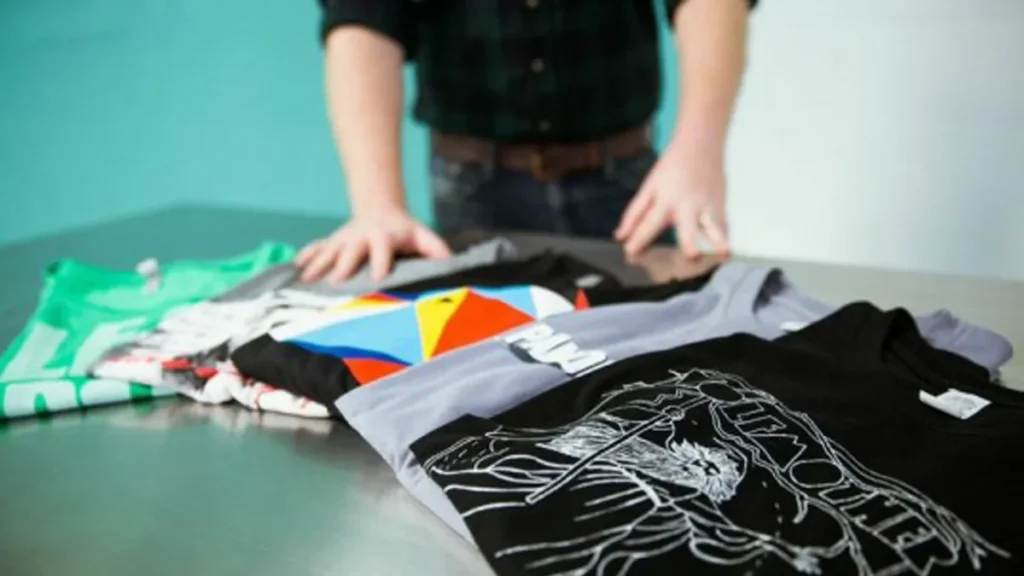
If you’re deciding between embroidery and printing for uniforms, teamwear, or branded shirts, the real question is simple: what will still look good after repeated wear and washing? Many people start by comparing local options like shirt embroidery Melbourne to printed finishes, but durability depends on both the method and how the shirt will be used.
What “durability” really means
“Lasting longer” isn’t just avoiding peeling. It includes:
- Fading (colour dulling over time)
- Cracking/lifting (common with some transfers)
- Fraying/snags (more relevant to embroidery)
- Distortion (warping on stretch fabrics)
- Wash resilience (heat, detergent, tumble drying)
Embroidery: usually the longevity winner (on the right garments)
Embroidery is stitched thread, so there’s no print layer to crack or peel. On structured garments, like polos, button-ups, jackets and heavier workwear, it tends to stay sharp for a long time.
Why embroidery lasts
- No film to split: the logo is physically part of the fabric.
- Good abrasion resistance: handles friction better than many prints.
- Premium look over time: small chest logos often remain crisp.
How embroidery can fail
- Snagging: raised stitches can catch (Velcro, rough surfaces).
- Puckering: on lightweight/stretch tees if stabilising or stitch density isn’t right.
- Tiny detail loss: very small text can become less clear over time.
Best fit: left-chest logos, corporate uniforms, outerwear, caps, durable workwear.
Printing: durability depends on the print method
“Printing” covers multiple techniques. Two printed shirts can behave very differently.
Screen printing
Often very durable when cured correctly.
- Fails by: cracking/fading (usually poor curing or harsh drying).
- Best for: bulk runs, bold logos, event tees.
DTF / heat-applied transfers
Strong colour and works on many fabrics, but still a surface layer.
- Fails by: edge wear/lifting if application is off; scuffing in high-friction areas.
- Best for: multi-colour logos, mixed garment types, small-to-mid runs.
DTG (direct-to-garment)
Great for detail on cotton, but more wash-sensitive.
- Fails by: faster fading if washed/dried hot.
- Best for: short runs, detailed artwork, soft feel.
Sublimation (polyester only)
One of the longest-lasting “prints” because the dye becomes part of the fabric.
- Fails by: gradual fading (often UV exposure); limited to polyester/light colours.
- Best for: sports jerseys and polyester teamwear.
Quick durability comparison (typical use)
In many everyday uniform scenarios:
Embroidery (structured garments) tends to outlast most prints, while sublimation can rival longevity on polyester.
But quality matters: a well-cured screen print can outlast poor embroidery, and vice versa.
The 4 factors that decide what lasts
- Fabric & garment type
- Heavy polos/jackets: embroidery shines
- Lightweight stretch tees: printing often performs better
2. Design size & detail
- Small logo: embroidery is ideal
- Large back graphic: print is usually better
3. Placement
- High-friction zones (straps, belts): prints wear faster
- Upper chest/back: both methods last longer
4. Laundry habits
- Wash inside out, use cooler temps, avoid high-heat drying when possible.
So… what should you choose?
Choose embroidery for a small-to-medium logo on polos, button-ups, jackets, and workwear where you want maximum lifespan and a premium finish.
Choose a durable print (screen/DTF) for large graphics or lightweight tees, especially if comfort and flexibility matter.
Choose sublimation for polyester sportswear when you want colour that won’t crack or peel.
When the method matches the garment and use case, both embroidery and printing can stay presentable for years, not just months.






