Enhancing Indoor Ambiance with Wall and Ceiling Panels
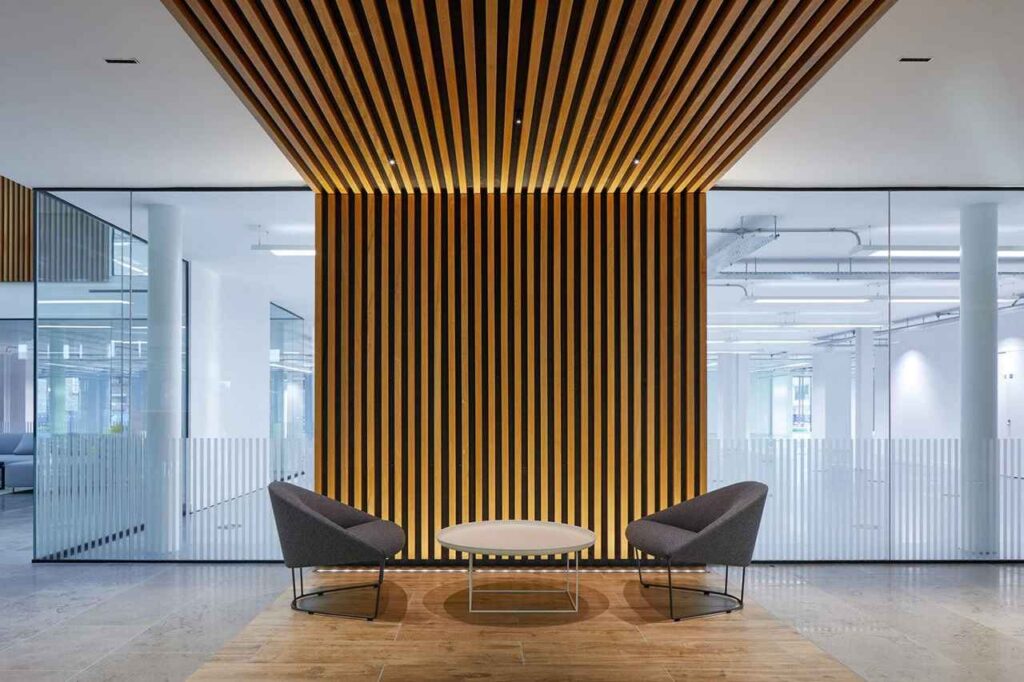
Interior acoustics play an integral role in creating a conducive ambience within indoor spaces. Whether you’re designing the interior of a commercial office, a hospitality venue, or a residential dwelling, the influence of sound on the overall environment cannot be overstated. It’s not merely about aesthetics; the control of sound reverberation and its absorption are key elements in the quest for the perfect indoor atmosphere.
The Role of Acoustics in Interior Design
Good acoustics contribute significantly to the comfort and functionality of an indoor space. Unwanted noise can be disruptive and can lead to a lack of concentration, increased stress levels, and overall dissatisfaction with the environment. To achieve a harmonious balance, designers and architects often turn to wall and ceiling panels tailored to enhance acoustical properties while complementing the visual appeal of the space.
Material Selection for Acoustic Panels
Selecting the right materials for wall and ceiling panels is critical to their performance. Ideal materials are those which have the ability to absorb sound waves rather than reflecting them. This creates a softer soundscape that minimises echoes and reverberation. Materials such as fabric, foam, and specialised acoustic substrates are most commonly used in the production of these panels.
Function Meets Form: Aesthetic Advantages
While functionality remains at the forefront of acoustic design, aesthetic appeal is equally important. Modern wall and ceiling panels come in a variety of finishes and designs, allowing for seamless integration into almost any interior concept. From sleek and contemporary to rich and traditional designs, these panels can contribute to the aesthetic of the room as much as to its acoustic comfort.
Design Flexibility with Wall and Ceiling Panels
The versatility of wall and ceiling panels extends to their size, colour, texture, and even shape. Designers can specify panels that fit perfectly with the planned decor, whether aiming for a bold statement or a subtle enhancement. Furthermore, these panels can be used to zone different areas within open-plan spaces, offering both visual and aural cues to the distinct functions of each area.
Installation Considerations
When integrating acoustic panels, one must consider the installation process as a part of the design. The mounting system, ease of access for maintenance, and potential integration with lighting and other fixtures are all important factors. Panels should not only complement the interior design but also support the functionality of the infrastructure.
Addressing Health and Safety Standards
Compliance with health and safety standards in public and private buildings necessitates the use of materials that meet strict criteria. Acoustic panels must often be fire retardant, low in volatile organic compounds (VOCs), and sometimes even moisture resistant. These attributes ensure that the panels are safe for use in various indoor environments.
Sustainability and Acoustic Panel Manufacturing
With a growing concern for the environment, the sustainability of materials used in interior design has become a priority. Wall and ceiling panels can be sourced from sustainable materials and designed with end-of-life recyclability in mind. This not only contributes to a greener footprint but also appeals to clients and end-users who value environmental responsibility.
Enhancing Performance in Workspaces
In corporate settings, effective sound management is crucial. Acoustic panels can significantly reduce ambient noise levels, leading to improved concentration and productivity. Additionally, in meeting and conference rooms, good acoustics ensure clarity of speech, which is imperative for effective communication.
Creating Ambiance in Hospitality and Retail
In the hospitality and retail industries, the atmosphere is often a defining aspect of the customer experience. Wall and ceiling panels help control acoustics, creating an inviting and comfortable environment. Well-thought-out acoustic solutions can reduce the intrusion of outside noises, enhance the quality of music and announcements, and even influence the mood and behaviour of guests and customers.
Improving Home Acoustics
Residential spaces also benefit greatly from enhanced acoustics. In open-plan living areas, the appropriate application of acoustic panels can delineate spaces and provide a more intimate setting. In home theatres and entertainment rooms, wall and ceiling panels are essential for achieving cinematic sound quality.
Customisation and Personalisation
An additional advantage of using wall and ceiling panels for acoustic treatment is the opportunity for customisation. Beyond the standard options available, manufacturers often offer bespoke solutions that can accommodate specific design or performance requirements.
Conclusion: A Sound Investment
In conclusion, the role of wall and ceiling panels in interior acoustics cannot be understated. Their ability to enhance indoor ambiance while simultaneously addressing practical considerations makes them an invaluable component in modern interior design. By incorporating these elements, designers and architects can create spaces that are not only visually stunning but acoustically harmonious.
Whether for the office, hospitality, retail, or residential sectors, the judicious selection and application of wall and ceiling panels is a sound investment in any interior project. It results in an intersection where functional requirements meet aesthetic ambitions, delivering indoor environments that resonate with both purpose and pleasure.