The Evolution of Full Plastic Nasal Spray Pumps: From Early Designs to Modern Innovations
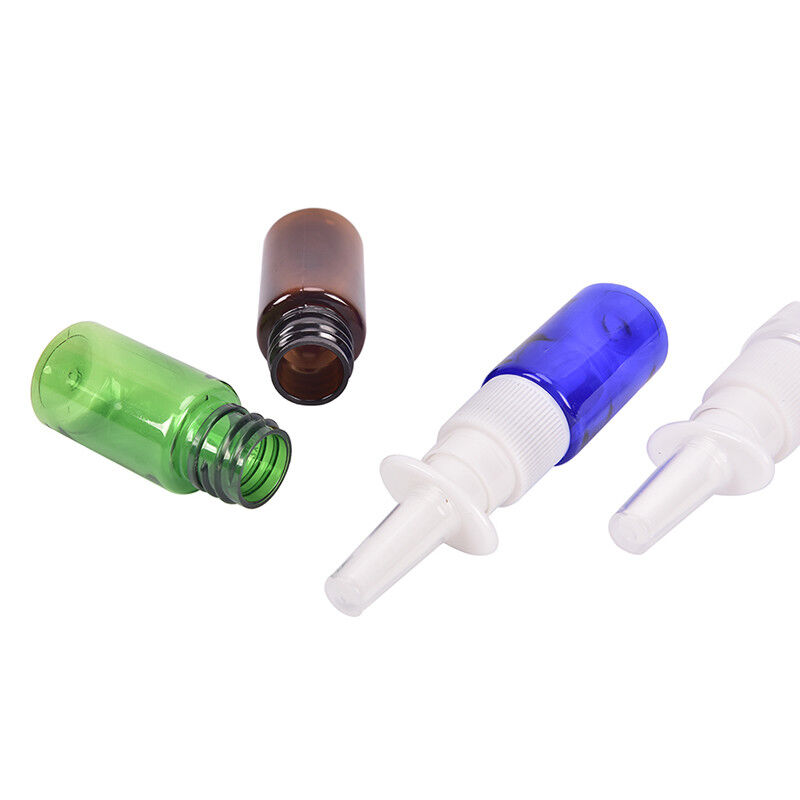
Nasal delivery has become one of the most convenient ways to administer certain medications because it targets the nasal passages directly, works quickly for many use cases, and is easy for patients to use at home. Over the decades, nasal spray pumps have changed dramatically—from basic manual devices to refined systems built for precision dosing, better hygiene, improved user comfort, and even connected features.
This article walks through how the full-plastic pump category developed, what problems early designs faced, and which innovations are shaping the future.
Early Designs: Simple, Clinic-Focused Tools
The earliest nasal spray devices were built with function as the top priority. Many older designs used glass or metal parts with a straightforward hand-operated mechanism. They were often seen in clinical settings and primarily supported common decongestant formulas, including phenylephrine, delivered as a liquid mist into the nasal cavity.
These early pumps solved a real need—fast, localized delivery—but they also came with downsides:
- Inconsistent spray output and dose accuracy
- Higher risk of clogging and messy residue buildup
- Reduced durability (especially for home use and travel)
- Limited ergonomic design and comfort
As demand increased for consumer-friendly, at-home solutions, manufacturers began searching for materials and designs that were safer, lighter, and easier to mass-produce.
The Shift to Plastic: A Major Turning Point
From the late 20th century onward, plastics became the dominant material for mainstream nasal sprayers. The shift wasn’t just about aesthetics—it helped solve practical manufacturing and usability problems.
Full-plastic designs gained popularity because they offered:
- Lower production cost for large-scale distribution
- Better durability (less breakage than glass)
- Lighter weight for portability and everyday use
- More design flexibility for comfortable shapes and improved nozzles
As molding and component precision improved, manufacturers could also create more consistent internal parts like valves, seals, and actuators—leading to better dose control and smoother performance.
Precision Dosing: From “Good Enough” to Consistent Actuation
By the late 1990s and early 2000s, precision became a defining feature of modern pumps. For many products, consistent dosing isn’t optional—especially when sprays are used daily or on a schedule.
Modern pump engineering focuses on:
- Repeatable output per press (actuation)
- Improved valve systems to reduce variation
- Better spray pattern control (mist shape, spread, and direction)
This evolution helped make nasal spray delivery more dependable and user-friendly across many medication categories.
Solving Clogs: Smarter Nozzles and Better Flow
One of the longest-standing complaints with older sprayers was blockage from dried formula, debris, or residue. Today’s designs address these issues with refined nozzle geometry, cleaner pathways, and built-in safeguards.
Many manufacturers now include anti-clogging mechanisms such as:
- Improved nozzle channels that resist buildup
- More consistent spray formation to reduce residue
- Enhanced filters or flow control features (depending on design)
The result is a sprayer that lasts longer, performs more consistently, and frustrates users less—especially over repeated use.
Sustainability Moves: Recycling and Material Innovation
As sustainability became a bigger priority in packaging, manufacturers began experimenting with alternative plastics and improved recyclability.
A common direction has been toward recyclable materials like PET (polyethylene terephthalate), along with design approaches that aim to simplify sorting or improve recyclability potential. While medical packaging still faces real recycling challenges (contamination, mixed materials, small components), design improvements—like removable parts and reduced material complexity—continue to push the category forward.
Smart Features: Tracking, Reminders, and Connected Care
In recent years, connected devices have influenced nasal spray packaging, especially for conditions where consistency matters. Some newer solutions integrate **digital technology **, such as sensors that track actuation counts, usage timing, or adherence patterns.
In “smart” formats, pumps may offer:
- Usage tracking and reminders
- App-based logs for patients
- Shareable adherence data for clinicians (when appropriate)
- More consistent routines for long-term treatment plans
This shift is still emerging, but it signals a clear future direction: packaging that supports outcomes—not just delivery.
What’s Next: Personalization and Greener Materials
Looking ahead, innovation is likely to focus on two major themes:
- Personalized delivery
Adjustable spray force, volume options, and user-specific ergonomics could improve comfort and effectiveness for different patient needs. - More sustainable materials
Expect continued exploration of plant-based plastics, biodegradable blends, and better end-of-life design—while still meeting safety and performance requirements.
Conclusion
From simple clinic tools to advanced consumer devices, nasal spray delivery has matured into a precision-driven category. Today, the full plastic nasal spray pump is designed to be durable, accurate, easier to use, and increasingly aligned with sustainability and smart-care trends.
As manufacturing and materials continue to improve, the next generation of nasal spray pumps will likely become even more consistent, more eco-conscious, and more connected—supporting better experiences for patients worldwide.