The Evolution of Video Production: Transforming Events

The Evolution of Video Production: Transforming Events with Cutting-Edge Technology
In today’s fast-paced digital age, video production has become an indispensable element of live events, conferences, and even personal celebrations. The rapid evolution of technology has pushed the boundaries of what’s possible, allowing video production to enhance the event experience for both in-person and virtual attendees. As a leader in the industry, AVP.Live has witnessed firsthand how technology-driven innovations are reshaping the way we think about and execute event production.
The Importance of High-Quality Video in Events
High-quality video production isn’t just a luxury; it’s a necessity for events that want to leave a lasting impact. In an age where people expect high-definition video at their fingertips, subpar video can detract from an otherwise well-planned event. Whether it’s livestreaming a corporate event or capturing the special moments of a wedding, professional video production ensures that the visual narrative is compelling, clear, and engaging.
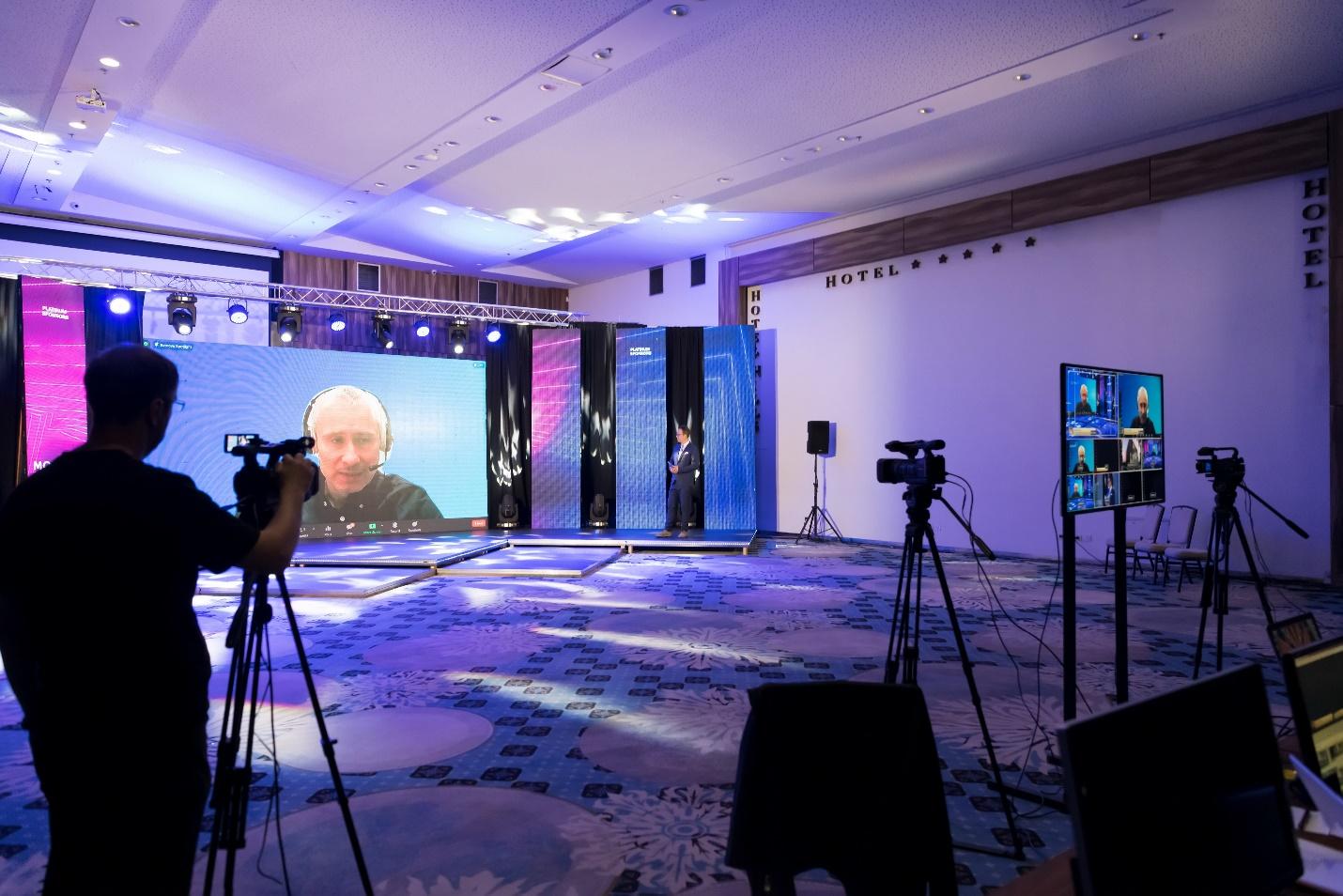
One of the most significant shifts we’ve seen in the industry is the emphasis on multi-camera setups and the use of picture-in-picture technology, which allows event organizers to showcase different perspectives simultaneously. For instance, at AVP.Live, we often utilize multi-camera systems to capture dynamic angles of an event while incorporating PowerPoint presentations, pre-recorded videos, or live commentary using picture-in-picture. This approach significantly enhances viewer engagement, whether they are attending in person or virtually.
How Technology is Driving Innovation in Event Production
Technology has rapidly advanced in the video production landscape, and its integration into event production has been nothing short of transformative. Some of the most important technological innovations include the use of livestreaming platforms, real-time editing, and the rise of hybrid events.
1. Livestreaming: Making Events Accessible to All
One of the most important innovations in video production has been the rise of livestreaming technology. Events that were once confined to a physical space can now be accessed by people across the globe in real-time. This development has allowed businesses, educational institutions, and personal events to reach a much larger audience than ever before. In fact, many event organizers now offer virtual tickets in addition to in-person attendance, creating new revenue streams and opportunities for audience engagement.
Livestreaming also opens up possibilities for interactive engagement. For example, through platforms like YouTube Live or Facebook Live, virtual attendees can ask questions, participate in polls, and even engage in live chat discussions—all of which contribute to a more immersive event experience. At AVP.Live, we’ve perfected the art of blending in-person events with virtual participation, ensuring that remote viewers feel just as connected as those in the room.
2. Real-Time Editing: Elevating Event Quality on the Fly
Gone are the days when editing was solely reserved for post-production. Real-time editing has become a game-changer in live event production, allowing for the seamless integration of graphics, video clips, and transitions while the event is still happening. This technology enables event organizers to maintain a high production value even during live broadcasts, keeping the content fresh and engaging without the need for significant post-event editing.
For instance, during conferences or corporate events, we can integrate on-screen graphics such as speaker names, titles, and key talking points in real time, making it easier for virtual and in-person audiences to follow along. This level of professionalism not only enhances the viewer’s experience but also boosts the credibility and branding of the event.
3. The Rise of Hybrid Events: Bridging the Gap Between In-Person and Virtual Experiences
The concept of hybrid events—those that combine both in-person and virtual elements—has taken off in recent years, and video production plays a pivotal role in their success. Hybrid events offer flexibility for attendees who may not be able to attend in person while still preserving the communal atmosphere of a live event.
A successful hybrid event requires more than just setting up a camera and hitting “record.” It involves strategic planning around the viewer’s journey. For instance, at AVP.Live, we focus on creating a seamless integration of virtual elements with the in-person experience. This includes multi-camera setups, live switching between speakers or presentations, and providing virtual attendees with interactive features such as Q&A sessions, live polls, and chat forums. The goal is to make the virtual experience feel as close to the live event as possible, enhancing engagement and satisfaction.
Future Trends in Video Production and Event Technology
As we look toward the future, several trends are likely to shape the video production industry in the coming years.
1. 4K and 8K Resolution: Elevating Visual Standards
As consumers become more accustomed to ultra-high-definition content in their personal entertainment, the demand for 4K and even 8K video production in events will continue to rise. This shift will push event organizers to invest in better cameras and equipment to meet audience expectations for crystal-clear visuals. At AVP.Live, we are already embracing this shift, using state-of-the-art cameras that capture every detail in stunning high definition.
2. Augmented Reality (AR) and Virtual Reality (VR)
AR and VR technology are poised to revolutionize the way we experience events, particularly in the virtual and hybrid space. Imagine attending a concert or conference where you can use AR to see additional information about the performer or speaker in real-time. Alternatively, VR can immerse remote attendees in a 360-degree experience that mimics the sensation of physically being at the event. These technologies are still in their infancy but have the potential to redefine the boundaries of event production.
3. Artificial Intelligence (AI) in Video Editing
AI has already started making waves in the video production industry by automating time-consuming editing tasks. As AI technology continues to improve, we expect to see more AI-driven solutions that can handle everything from video splicing to real-time enhancements like color correction and audio leveling. This will allow production teams to focus on creative direction while the AI handles the more technical aspects of editing.
Conclusion: The Ever-Evolving World of Video Production
Video production is no longer just a back-end process that happens after an event concludes. It has become an integral part of the live event experience itself. From livestreaming and real-time editing to hybrid events and emerging technologies like AR and AI, video production is transforming the way we create and experience events.
At AVP.Live, we are committed to staying at the forefront of this ever-evolving industry, providing our clients with the tools and expertise they need to produce world-class events. Whether you’re planning a corporate conference, a virtual seminar, or a personal celebration, professional video production can make all the difference in delivering an unforgettable experience.