The Evolution and Power of DSLR Cameras in Modern Photography
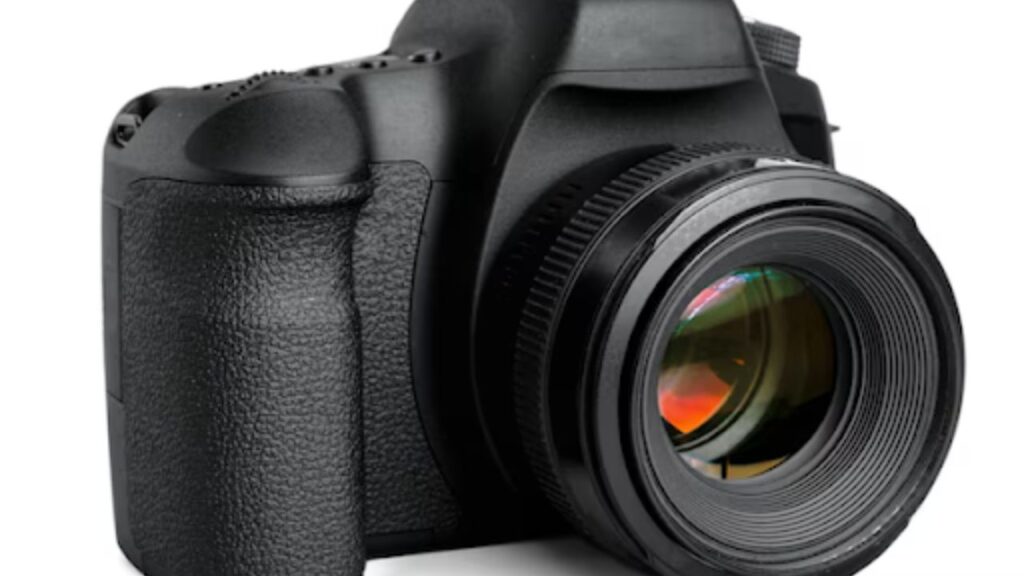
Photography has transformed from a specialized craft into a universal language of visual storytelling. Among the many types of cameras available today, the DSLR camera remains one of the most respected tools for both professionals and enthusiasts. Known for its versatility, precision, and image quality, the DSLR has played a major role in shaping modern photography and videography.
What Is a DSLR Camera?
DSLR stands for Digital Single-Lens Reflex. It combines the mechanism of traditional film cameras with digital technology, allowing photographers to preview exactly what the lens sees through an optical viewfinder. This is achieved through a system of mirrors and prisms that reflect light from the lens up into the viewfinder. When the shutter is pressed, the mirror flips up, letting light hit the image sensor, which captures the photo digitally.
This mechanism makes DSLRs different from mirrorless cameras, where there is no mirror system, and images are viewed through an electronic screen instead of an optical viewfinder.
Key Features of DSLR Cameras
- Interchangeable Lenses
One of the biggest advantages of a DSLR is the ability to swap lenses. From wide-angle to telephoto, macro to prime, photographers can choose the right lens for every situation, expanding creative possibilities. - Optical Viewfinder
DSLRs offer a real-time optical view of the scene without any digital delay. This helps photographers capture fast-moving subjects with accuracy and precision. - Large Image Sensors
DSLRs typically come with APS-C or full-frame sensors. These larger sensors capture more light and detail, resulting in sharper images, better low-light performance, and greater depth of field control. - Manual Controls
Professional photographers value DSLRs for their full manual control over shutter speed, aperture, ISO, and focus. These settings allow for creative flexibility and precise exposure control. - Durability and Battery Life
Most DSLRs are built to last, with robust bodies that can withstand weather and rough handling. Their battery life is also superior compared to mirrorless or compact cameras, making them ideal for long shoots or travel photography.
Why DSLR Cameras Still Matter
Even in an era dominated by smartphones and mirrorless systems, DSLRs continue to hold strong. The tactile experience of holding a solid camera body, adjusting physical dials, and looking through a real viewfinder remains unmatched.
For professionals in fields such as fashion, sports, wildlife, and wedding photography, DSLRs offer reliability, consistency, and speed—qualities that are essential when capturing once-in-a-lifetime moments.
Moreover, many photographers prefer the extensive ecosystem of lenses and accessories that brands like Canon, Nikon, and Sony have built over the years.
DSLR Cameras vs. Mirrorless Cameras
In recent years, mirrorless cameras have gained massive popularity for their lightweight designs and advanced autofocus systems. However, DSLRs still have key strengths:
- Battery Life: DSLRs can shoot thousands of photos on a single charge, while mirrorless cameras drain power faster due to electronic viewfinders.
- Ergonomics: Many photographers prefer the heavier, more stable feel of a DSLR when using large lenses.
- Optical Viewfinder: Some still prefer the clarity of an optical viewfinder over a digital one, especially when shooting in bright sunlight.
That said, mirrorless cameras are catching up rapidly, offering real-time previews, faster burst shooting, and advanced AI autofocus.
Choosing the Right DSLR Camera
When selecting a DSLR, it’s important to consider your skill level, budget, and intended use.
- For Beginners: Models like the Canon EOS 2000D or Nikon D3500 are affordable, easy to use, and packed with automatic modes for learning.
- For Enthusiasts: Cameras such as the Canon 90D or Nikon D7500 offer higher resolution, better autofocus, and advanced manual settings.
- For Professionals: Full-frame DSLRs like the Canon EOS 5D Mark IV or Nikon D850 deliver exceptional image quality and performance for commercial or artistic photography.
Each model caters to a specific audience, but all share the hallmark DSLR advantages of precision and control.
The Role of DSLRs in Videography
DSLRs have also revolutionized video production. They offer cinematic image quality, shallow depth of field, and lens versatility—all of which were once exclusive to expensive film cameras. Many videographers use DSLRs for documentaries, YouTube content, music videos, and short films due to their portability and professional-grade output.
However, newer mirrorless and hybrid systems are gradually becoming preferred for video because they offer continuous autofocus, 4K/8K resolution, and better stabilization. Still, many professionals continue to rely on DSLRs for their dependable image quality and rugged performance.
Maintenance and Longevity
Proper care ensures your DSLR lasts for years. Regularly clean the lens and sensor, store it in a dry environment, and use protective filters. Firmware updates from manufacturers can also enhance camera performance over time. With basic maintenance, a DSLR can remain a trusted tool for a decade or more.
The Future of DSLR Cameras
While the camera industry is shifting toward mirrorless designs, DSLRs are far from obsolete. Many photographers still prefer them for their dependability, battery endurance, and optical clarity. Manufacturers like Canon and Nikon continue to support their DSLR lineups with firmware updates and new lenses.
In many ways, DSLRs symbolize the bridge between classic and modern photography—a perfect blend of mechanical precision and digital innovation.
Conclusion
The DSLR camera has defined photography for over two decades. It has empowered millions of photographers to capture moments with clarity, depth, and artistic freedom. Whether you’re a beginner exploring manual settings or a professional capturing once-in-a-lifetime events, a DSLR remains a reliable partner in the creative journey






